On Understanding IP Matters, I Made the Case for Why Licensing Is Still Misunderstood.
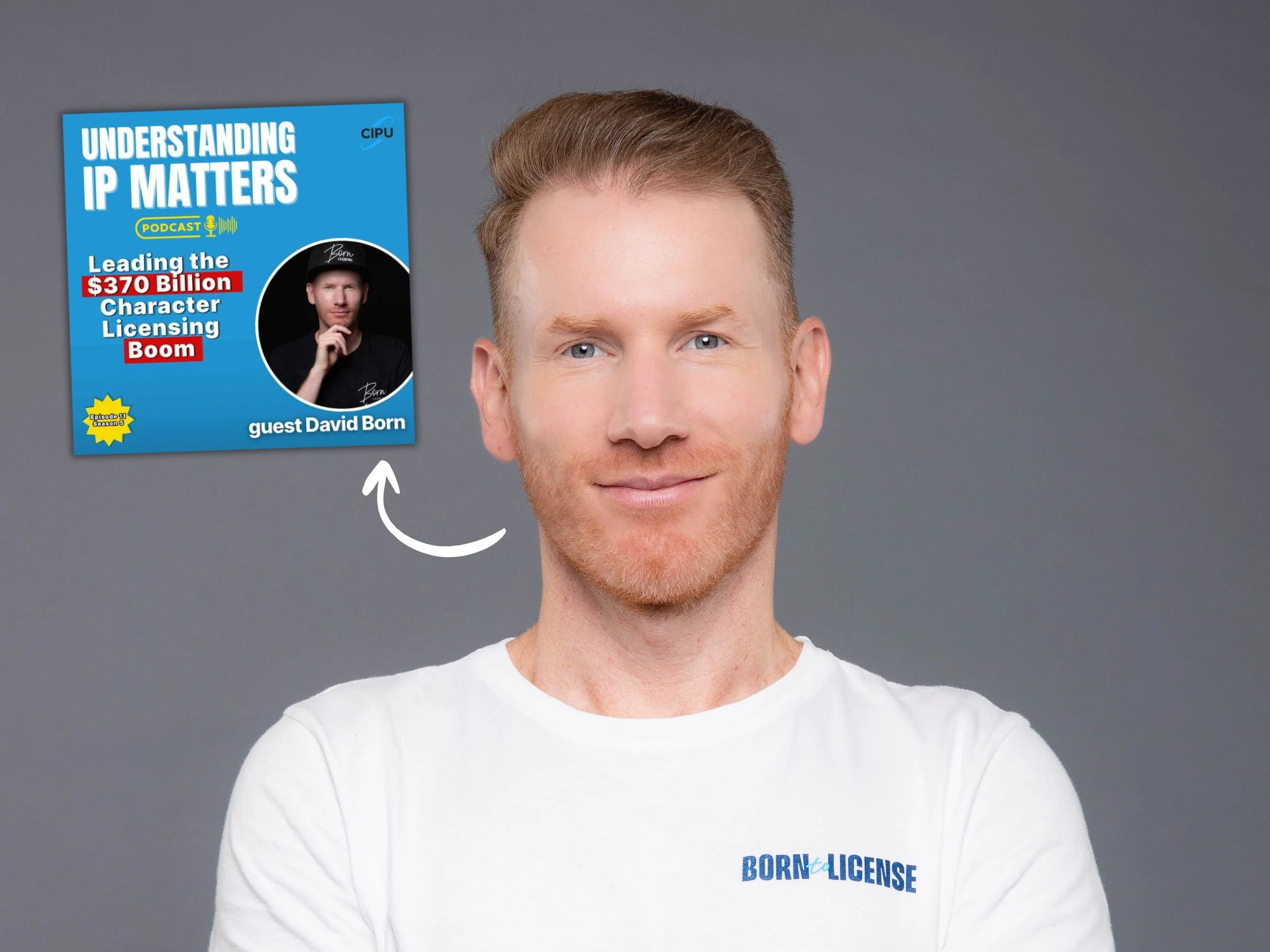
David Born recently joined Bruce Berman on the Understanding IP Matters podcast.
I recently joined Bruce Berman on Understanding IP Matters - a podcast that sits at the serious end of the intellectual property spectrum. Bruce has interviewed inventors, policymakers, investors, and legal strategists from across the IP world. The audience is not a casual one. So when the invitation came through, I treated it as something worth preparing for properly.
This wasn't a licensing trade podcast where I can assume shared vocabulary. This was a room of people who understand IP deeply - but from very different angles. Patent attorneys. Content creators. Entrepreneurs. Investors. People who think in frameworks, not just industries.
What I found, across 35 minutes of conversation, is that the core truths of character licensing translate remarkably well - even when the audience doesn't know what a minimum guarantee is.
The Question That Shapes Everything
Bruce asked me early in the conversation how licensing entered my life. My honest answer: I fell into it at 20, walked through a door with SpongeBob staring back at me, and didn't fully understand what I'd stumbled into until I was sitting in the interview itself. I winged it. I got the job.
I tell that story not for colour, but because it makes a real point about this industry: licensing finds people. It doesn't have a natural pipeline the way law or finance does. Most of the best practitioners I know came in sideways - from retail, from entertainment, from marketing. That accident-of-entry is partly why licensing is still so misunderstood outside the people doing it.
Understanding IP Matters exists, in part, to close that gap. So does Born to License. So does everything I'm building on thedavidborn.com. If the industry is going to grow the way it should, more people need to understand how it actually works - not just that the Mickey Mouse T-shirt at Walmart exists, but how it got there, who negotiated what, and what it cost.
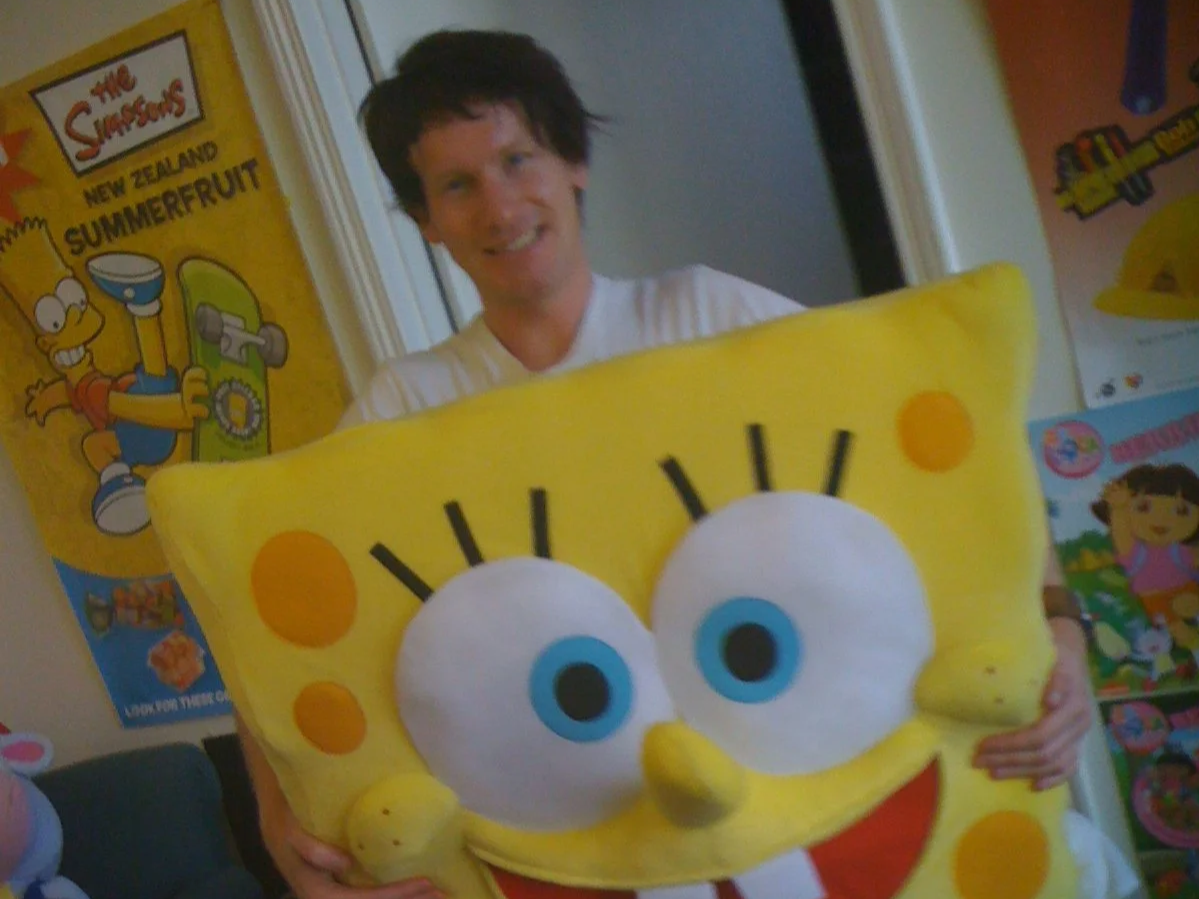
David Born in the office with SpongeBob SquarePants at his first licensing role
Why the Advertising Side of Licensing Is Underestimated
A big portion of our conversation focused on what Born Licensing does in the advertising space - licensing characters and IP for use in marketing campaigns. This is a part of the industry that most people, even inside licensing, don't fully appreciate.
When GEICO licensed Angry Birds, or when we placed Buddy the Elf inside an Asda supermarket using rotoscoped footage from the original film, these weren't just creative decisions. They were commercial ones. Rovio saw game downloads spike when the GEICO spot ran. ASDA got one of the most memorable Christmas campaigns in UK retail - without Will Ferrell leaving his house.
“The best licensed advertising works because it borrows equity that can’t be manufactured from scratch.”
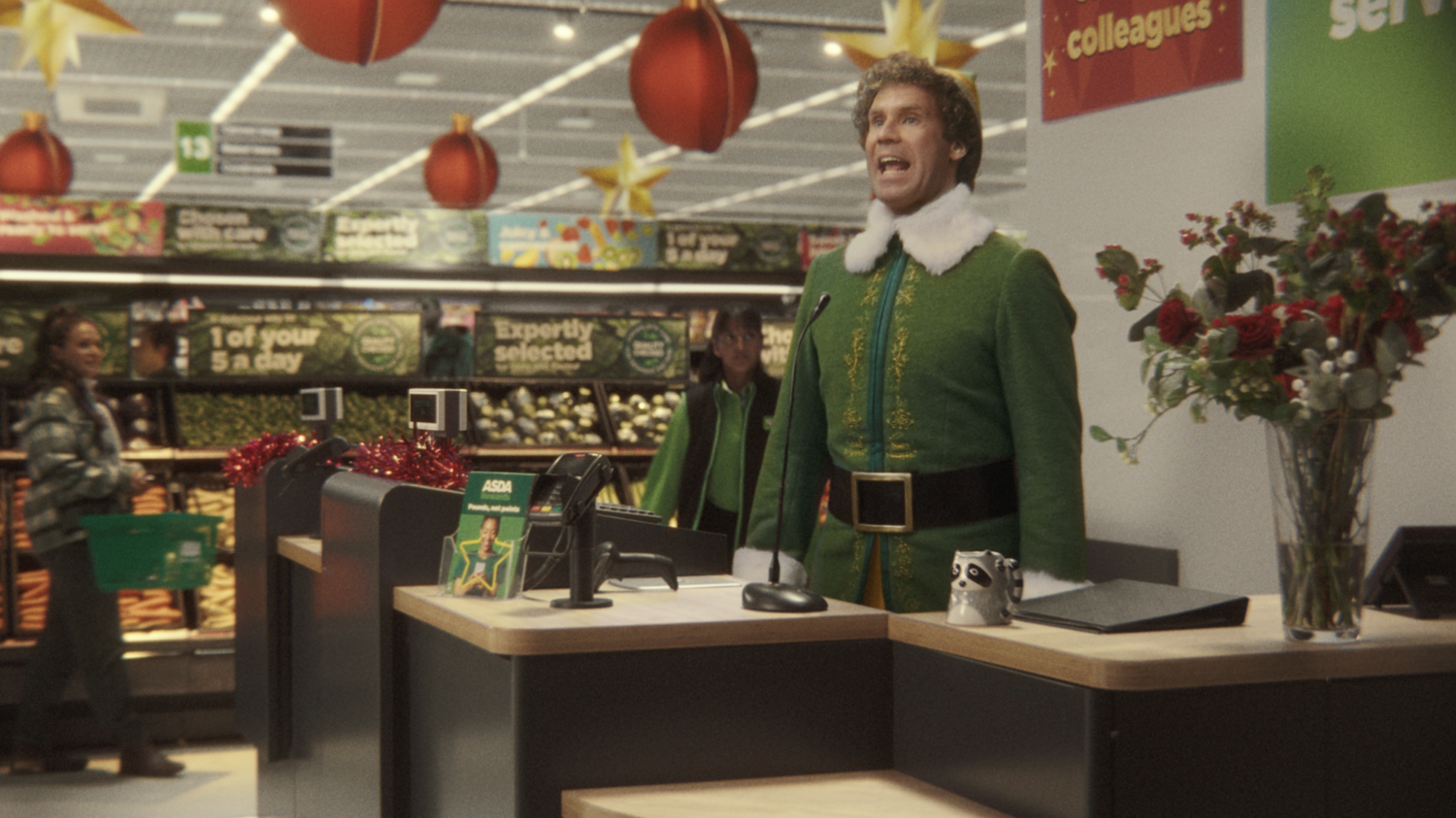
ASDA’s 2024 Christmas campaign starring Buddy the Elf
That's the core of what we do: matching the right IP to the right campaign moment, then navigating the rights holder relationship to make it real. The valuation piece term, territory, media, reach - is where the expertise lives. Not in the creative brief. Anyone can say they want Batman. Very few people know how to structure that conversation with Warner Bros. Discovery, or understand why the licensor might say yes to one brand and not another.
Bruce made a comment that stuck with me: that a great licensing agent acts as a filter for licensors, not just a door opener. That's exactly right. When Disney or Warner Bros. sees my name in their inbox, they know I've already done the work. I'm not coming to them with a 30% chance opportunity. I'm coming with something I've already vetted, scoped, and believe in. That reputation is built over time, and it's more valuable than any individual deal.
What Brands Often Miss About the Value of Licensing
One thing I always try to make clear - and this came up with Bruce too - is that the benefits of licensing extend well beyond the immediate sales uplift. Licensees sometimes think about licensing in narrow terms: royalty cost versus revenue generated. That's too small a frame.
When our client Hippo Blue - an Australian personalised products company - signed with Disney, then Warner Bros. for Batman, then Paramount for Paw Patrol, something changed in how they showed up in market. Their name started appearing next to some of the most recognised brands on the planet. That's brand equity transfer. It's not on the P&L in any obvious way, but it is absolutely real - and it compounds.
The other thing I flag consistently: consumers pay a premium for licensed product. Not always dramatically, but enough that a well-structured licensing deal doesn't have to eat into margin. The royalty cost can be offset by a modest price adjustment. That's not a trick - it's a reflection of the genuine value consumers place on recognised IP. They trust it. They want it. They seek it out.
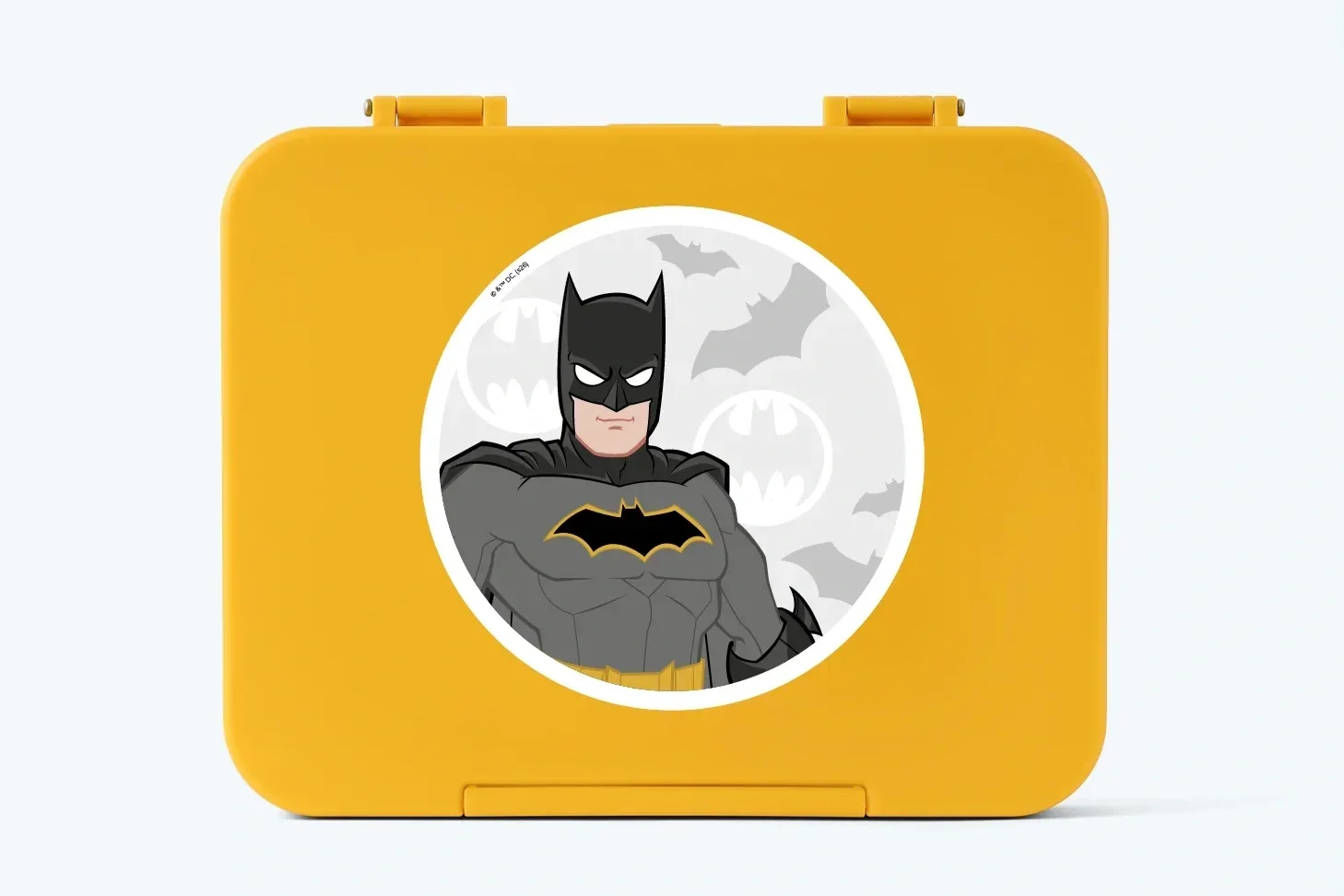
Hippo Blue’s licensed Batman Bento Box
AI, IP, and the Honest Answer
Bruce asked about AI and character licensing - an inevitable question, and one where I gave the honest answer rather than the confident one.
AI is moving faster than the licensing industry's ability to build parameters around it. The Disney-OpenAI billion-dollar deal that was subsequently reversed says everything about where we are: the appetite is there, the frameworks aren't. Licensors who have spent decades building brand equity - and who have layered approval processes to protect it - are deeply uncomfortable with a technology that can generate, manipulate, and distribute IP at scale without a human checkpoint at every stage.
The real question isn't whether AI will change licensing. It will. The question is what the permission structure looks like - who controls where a character appears, what it says, what it implies. Until that's answered with the same rigour that a standard licensing agreement carries, the big IP owners will remain cautious. And I think that caution is correct.
LISTEN TO THE PODCAST
WATCH ON YOUTUBE
The Bottom Line
Being a guest on Understanding IP Matters reinforced something I believe strongly: the principles of sound IP strategy hold up across audiences and across industries. Whether you're talking to a room of patent attorneys, brand founders, or ad agency creatives, the underlying logic is the same - know what the IP is worth, respect what it represents, and structure the relationship to protect both.
The licensing industry has an ongoing communication problem. We are an enormous, sophisticated, global business - and most of the world still doesn't understand how it functions. Every time a practitioner shows up in a room where licensing isn't the native language and explains it clearly, that gap closes a little more.
That's worth doing. Every time.
want to connect?
The Born Perspective is one part of a bigger conversation. If you want more, you can find me on LinkedIn for industry commentary, Instagram for what's happening day to day, and YouTube and the Born to License Podcast for deeper dives into the world of licensing. Pick your platform. I'll be there.
Explore the Born Collective
Everything I build connects back to licensing. Here's where to go depending on what you need: