The Best Thing I Did for My Business in 12 Years Wasn't a Deal
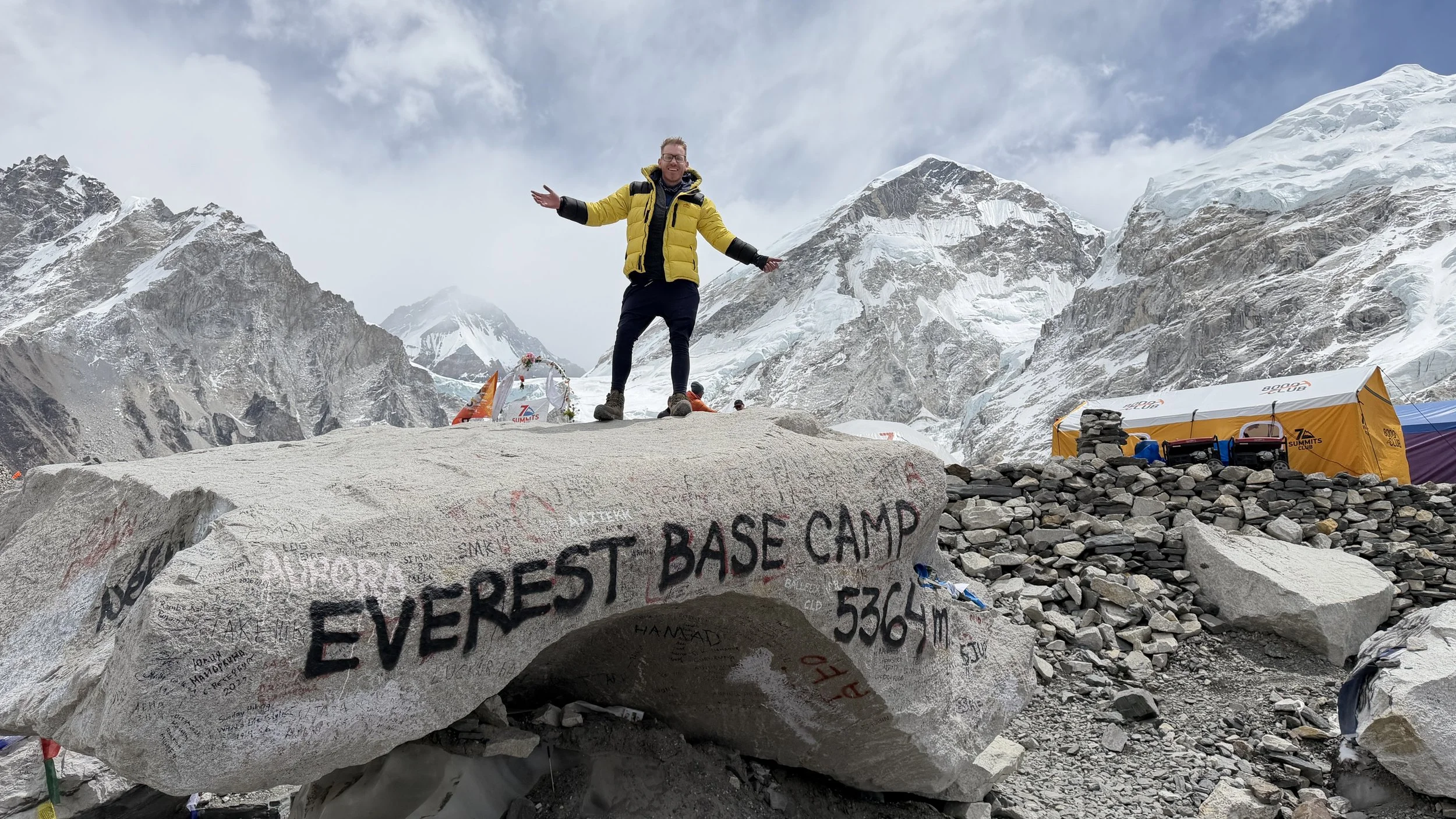
I made it to Everest Base Camp in April 2026
I started Born Licensing twelve years ago. In that time, I have negotiated deals across the globe, built a team, grown a client base, and kept the business moving through every economic cycle that came our way. And in twelve years, I had never once been fully offline.
Not for a weekend. Not for a week. Not for a single day where I wasn't reachable, checking in, or at least available. I told myself it was commitment. Looking back, some of it was fear.
In April this year, my partner and I spent eight days trekking to Mount Everest Base Camp in Nepal. We flew into Lukla - considered the world's most dangerous airport - met our guide Kiron and our porter Shridos, and began climbing. I was completely offline for the entire journey. No emails. No calls. No social media. No news.
It was the most valuable thing I have done for Born Licensing since the day I founded it.
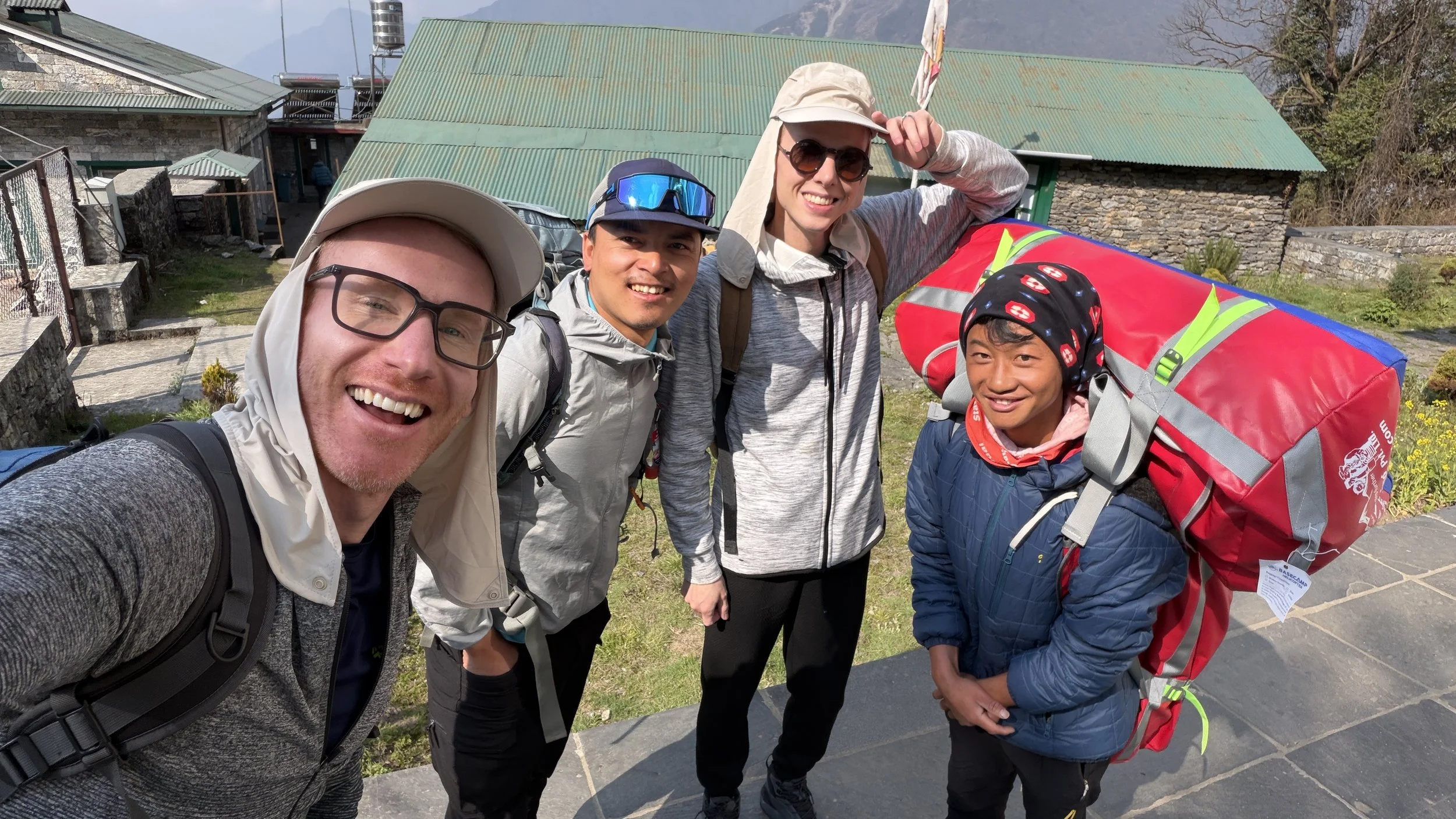
Day 1 and just about to start the hike to EBC with my partner, our guide and our porter.
The Real Question
Before I left, I spent months preparing the business for my absence. Handover notes, escalation paths, clear decision-making authority distributed across the team. It was more structured than anything I had done before a holiday, and I'd done plenty of those - just never properly offline.
But underneath all that preparation was a question I hadn't consciously asked myself: have I actually built a business, or have I built a job that only works when I'm in it?
“Most founders think they’ve built a business. What they’ve actually built is a structure that depends on them showing up every day.”
It’s a question most founders avoid asking, because the honest answer is uncomfortable. We talk a lot about building businesses - systems, teams, revenue, scale. But most of what we call “building” is closer to performing. Showing up, staying visible, making decisions that could have been made without us. The business runs because we’re in it, not because of how we built it.
Nepal was my test.
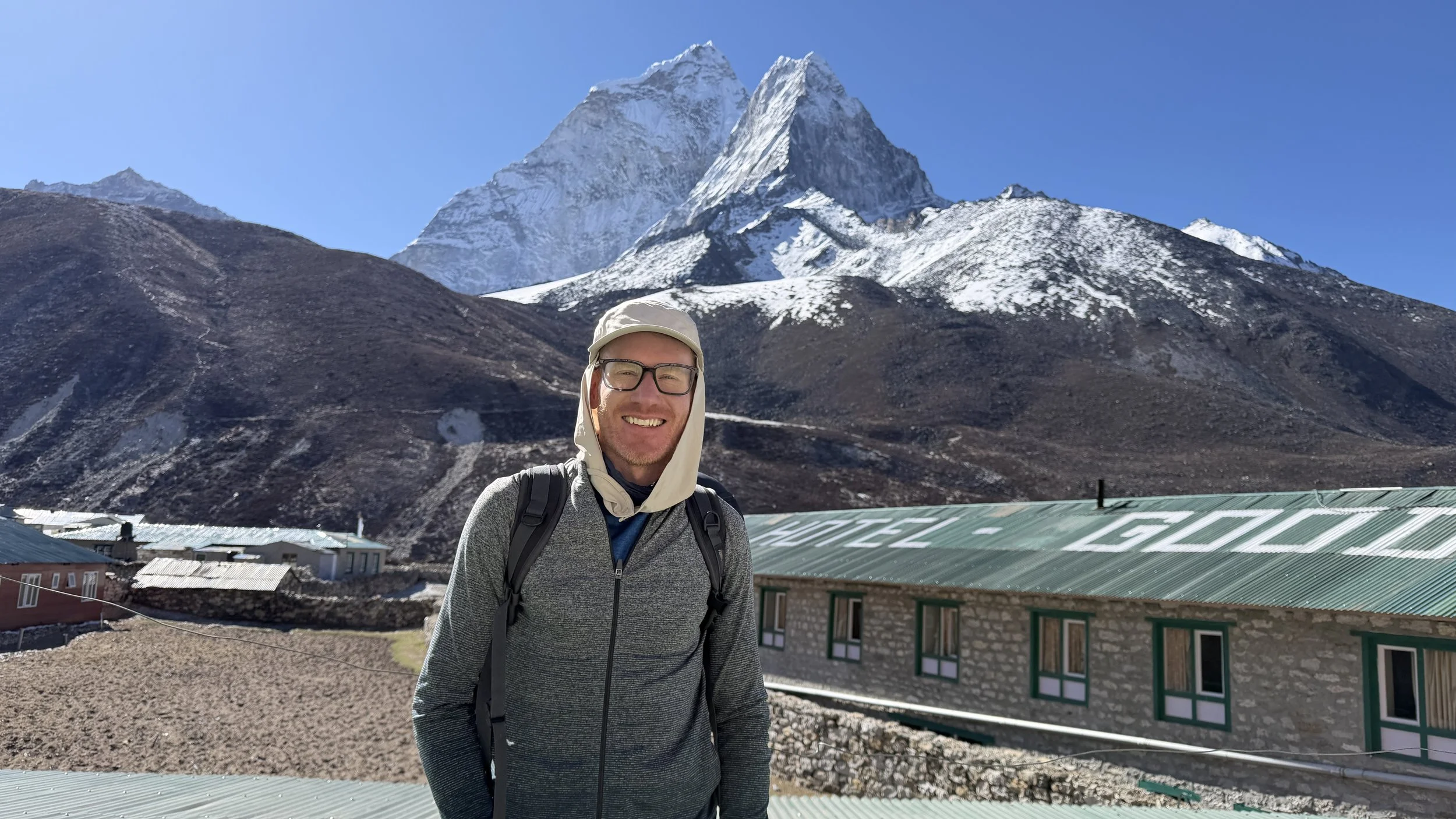
Stopping in Dingboche on the way to EBC.
What Discomfort Actually Does
We had booked what the tour company described as a “luxury” tea house experience. That word does a lot of work at altitude. The first lodge was warm, with electric blankets and hot showers. By the final stop, the pipes had frozen, the beds were cold, and the garlic soup - a staple apparently recommended for altitude sickness - had progressed from something genuinely good to what I can only describe as warm water with ambition.
The economics tracked the same way. A 1-litre bottle of water in Kathmandu costs 20 Nepalese rupees. By the time you’re approaching Base Camp, the same bottle costs 500 rupees - a 25-fold increase, for identical water. Not because of quality. Because of what it takes to get it there. Every bottle travels by yak, horse, or sherpa across terrain that has no interest in making logistics easy. Distance plus difficulty plus scarcity equals price. It’s the most honest economics lesson I’ve had in years, and it didn’t require a spreadsheet.
I found the progressive discomfort useful in a way I didn’t expect. Not as a test of resilience - that framing is too self-congratulatory. More as a recalibration. When you strip away the things you’ve come to treat as baseline, you get an unusually clear view of what actually matters. Which problems are real and which ones are friction dressed up as urgency. Which decisions require you and which ones you’ve simply never handed over.
Most business owners I know - myself included, for most of the past twelve years - conflate busyness with necessity. The inbox is full, therefore I am needed. Decisions arrive daily, therefore only I can make them. Nepal made that logic hard to sustain. The inbox was still full. I just wasn’t there, and everything was fine.
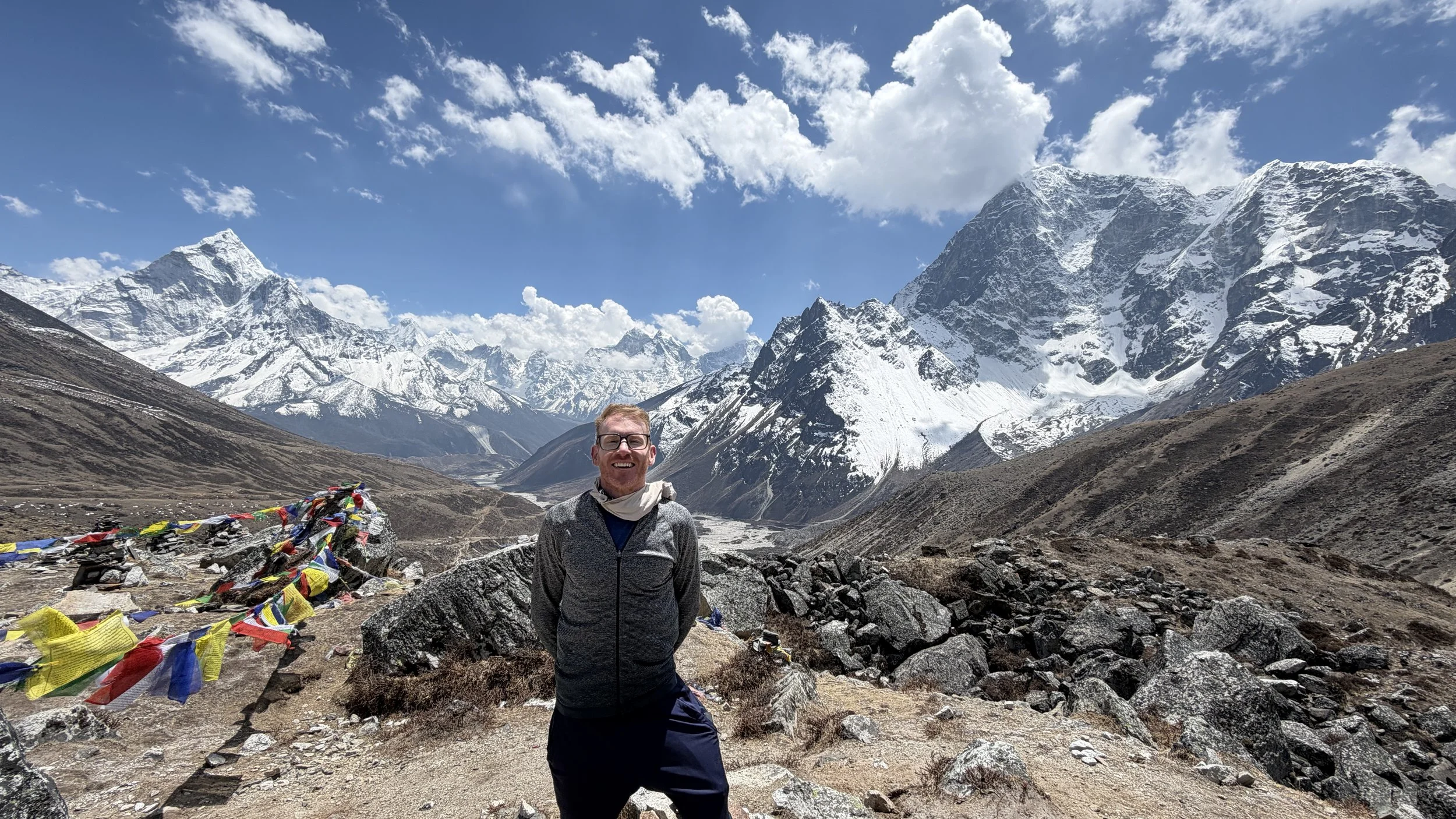
Spectacular views along the journey to EBC.
The Altitude Lesson
I've run two marathons. My cardio is strong and my VO2 max is above average. The first four days of the trek were manageable. My running legs handled the terrain without complaint.
The final stretch was different. At Base Camp, you're operating at roughly 50% of sea-level oxygen. Every step is slower than you expect. Every incline requires stops you wouldn't normally need. Your body is working twice as hard for half the output.
There's a version of this that happens in business. High-pressure periods - a major deal in the final stages of negotiation, a new licensee onboarding simultaneously with a compliance audit, a renewal season stacked against a product launch - all of them reduce your effective output, not because you're less capable, but because the conditions have changed. The operators who understand that pace is not fixed, that slowing down strategically is not the same as losing ground, are the ones who finish.
I got to EBC nice and slowly. But I got there in one piece.
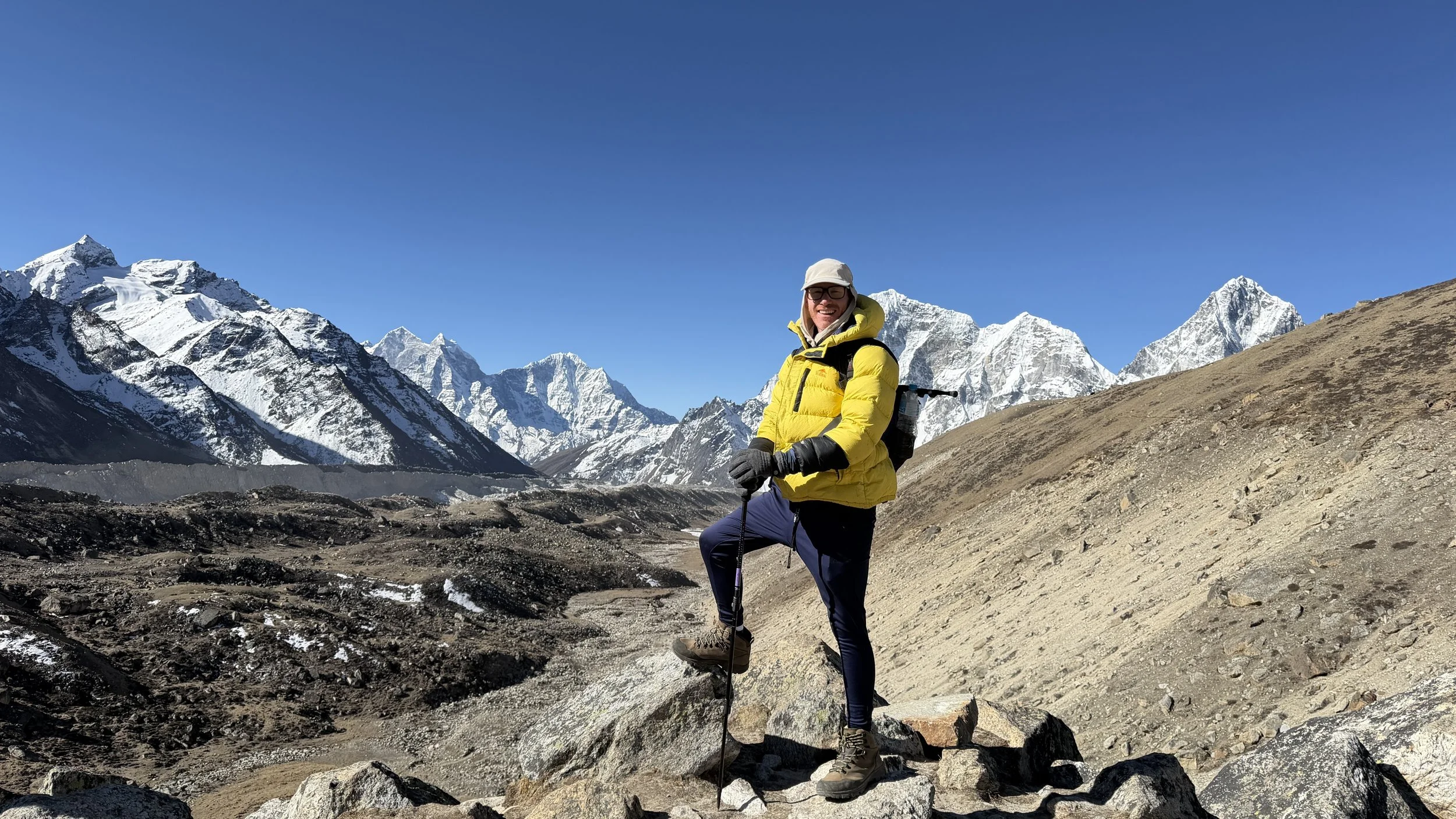
The closer to EBC, the more amazing the views.
What I Came Back To
Eight days. Fully offline. The business ran.
When I reconnected, there were no fires. No crises that had been held open waiting for my input. My team had worked through everything, made sensible decisions, and kept the business moving. A few things had been handled differently than I might have handled them. None of it mattered. The outcomes were good.
“The business didn’t need me. That’s not a criticism of how I’d built it. It’s the best possible outcome.”
What the digital detox revealed wasn't that I was replaceable. It revealed that I'd done enough of the right work over twelve years that the business could hold its own shape without my hands on it every day. That's the goal. That's leverage.
It also revealed something about focus. On the trail, without a screen to check every time I was waiting for food or standing in a queue, I actually saw what was around me. Conversations with hikers from forty different countries. Detail about Nepali history and politics that our guide Kiron shared freely, if you were present enough to listen. Yaks navigating rocky paths that would challenge most humans. The kind of clarity that is genuinely difficult to manufacture at a desk.
I'm building regular offline periods into my schedule going forward. Not as holidays. As deliberate operating strategy.
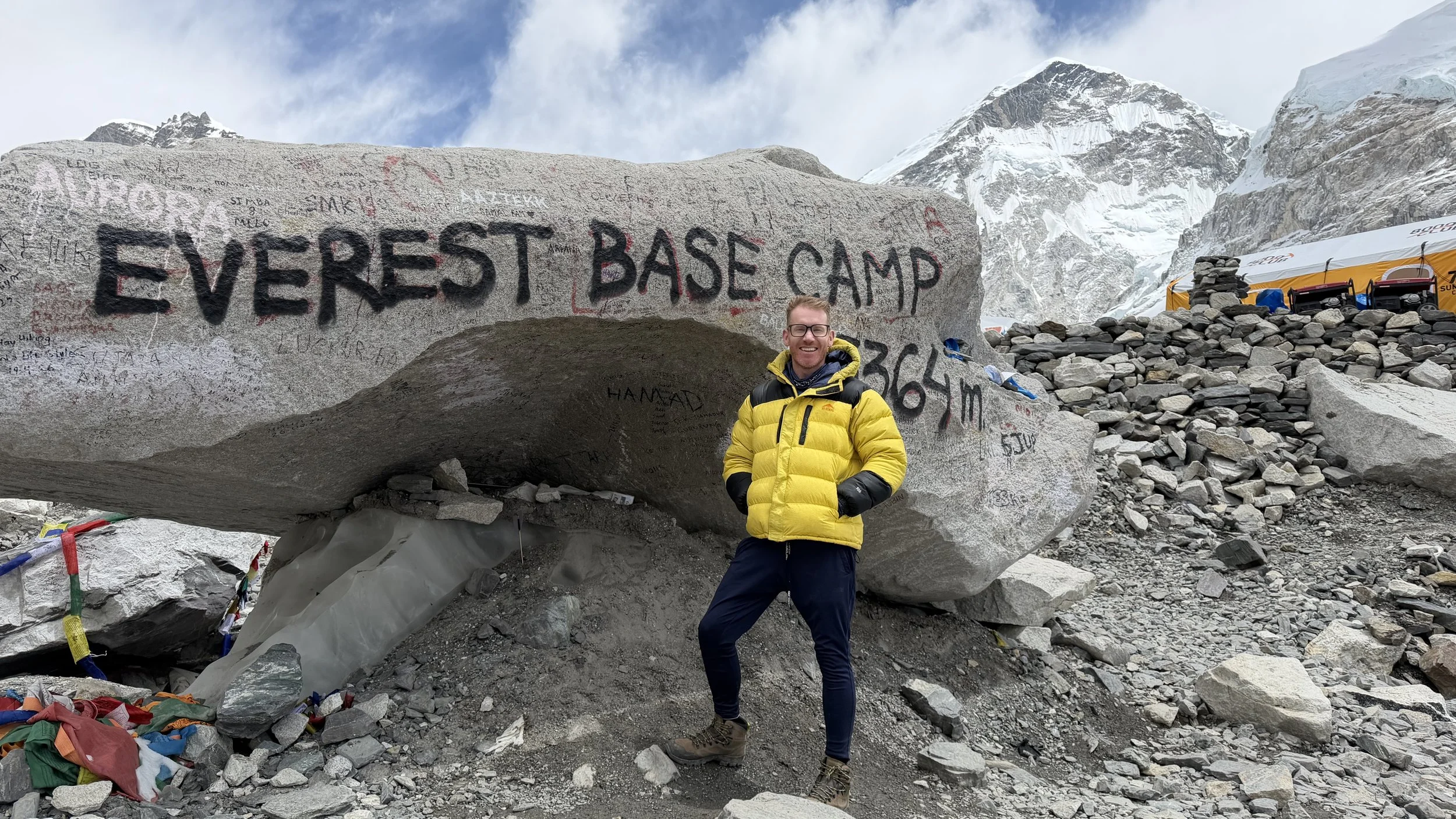
I finally made it to Everest Base Camp!
The Bottom Line
If your business can’t function without you in it for eight days, you haven’t built a business. You’ve built dependency. And dependency - regardless of what industry you’re in - is a liability dressed up as necessity.
The goal - for any founder, in any business - is to build something that doesn’t require your constant presence to hold its shape. Systems that run. Teams that decide. Processes that don’t stall when you’re not in the room. These are not soft management ideals. They are the difference between a business and a full-time job you happen to own.
Mount Everest Base Camp was not where I expected to find my clearest thinking about how Born Licensing operates. But eight days at altitude, without connectivity and without the constant noise of the inbox, gave me more strategic clarity than most months at a desk.
Build something that works when you're not in the room. Then go somewhere difficult, switch off, and find out if you actually have.
want to connect?
The Born Perspective is one part of a bigger conversation. If you want more, you can find me on LinkedIn for industry commentary, Instagram for what's happening day to day, and YouTube and the Born to License Podcast for deeper dives into the world of licensing. Pick your platform. I'll be there.
Explore the Born Collective
Everything I build connects back to licensing. Here's where to go depending on what you need: