The Star Wars Deal That helped shape the Licensing Industry
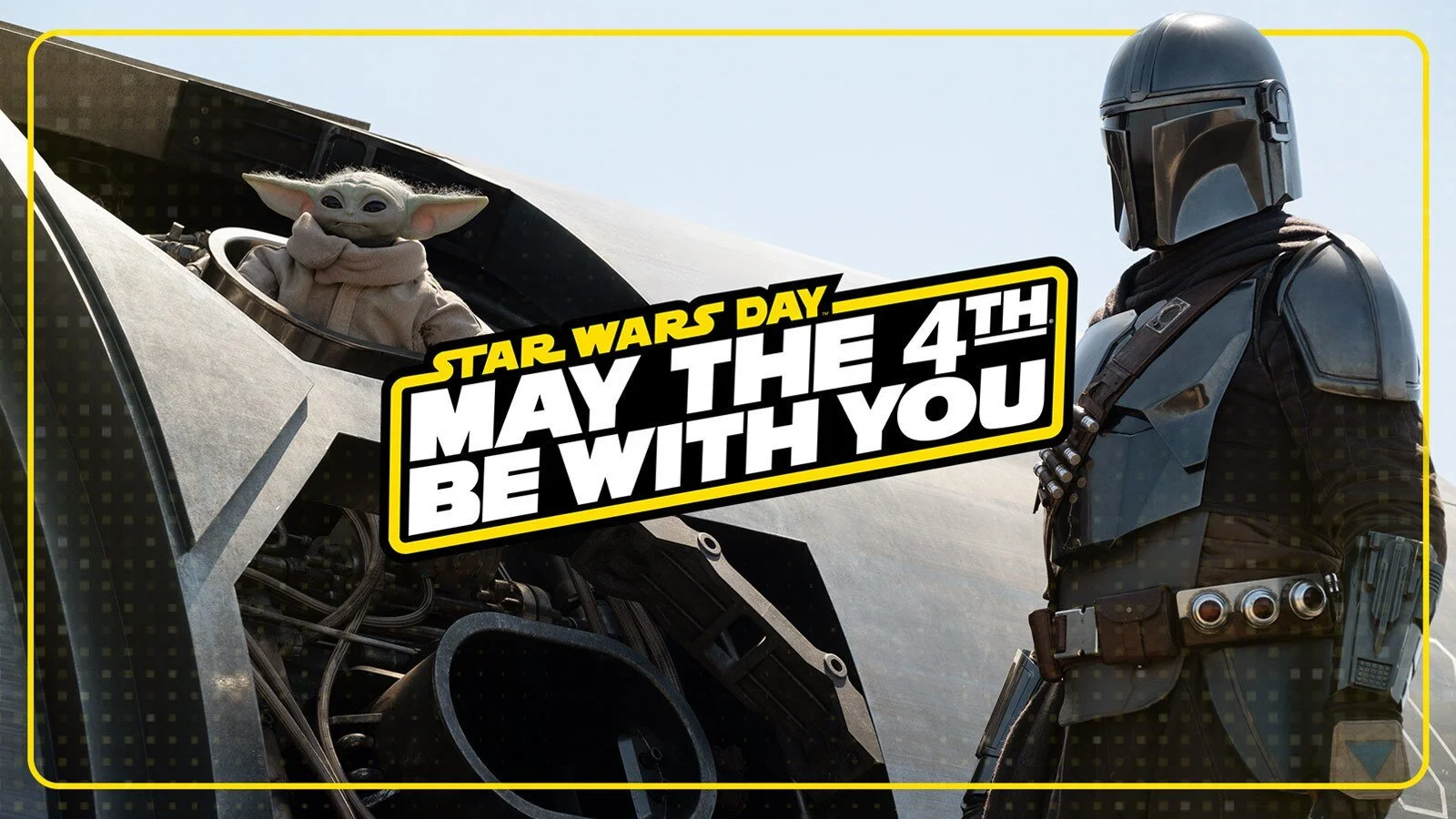
Celebrating Star Wars Day on May the 4th.
In 1977, a filmmaker took a pay cut. What happened next changed the licensing industry forever.
George Lucas had just made Star Wars. 20th Century Fox had greenlit it, but weren't exactly betting the farm. When it came time to negotiate his director's deal, Lucas agreed to reduce his fee from $500,000 to $150,000. In exchange, he kept the sequel rights and the merchandising rights.
Fox said yes. Of course they did. Nobody in that room believed merchandise from a space movie was worth serious money.
That single negotiating decision is arguably the most consequential moment in the history of our industry.
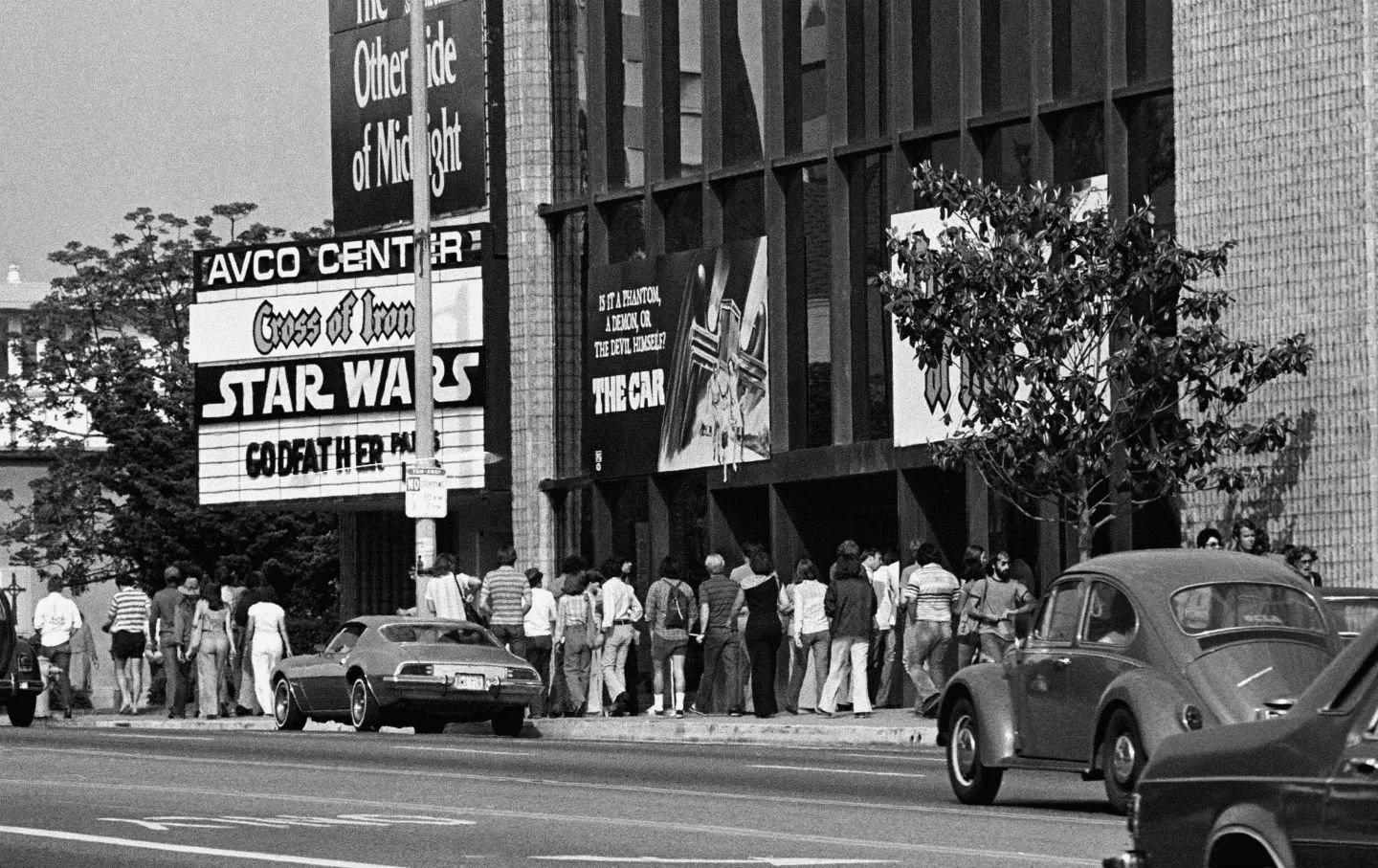
Star Wars showing at Los Angeles’ Avco Center Theater in June 1977.
The Kenner Effect: What Happens When IP Meets Unmet Demand
Kenner, a relatively small toy company, licensed the Star Wars rights for a reported $100,000 advance. They were completely unprepared for what followed.
The film opened in May 1977 and became the highest-grossing film of all time at that point. Then the toys started selling. Kenner couldn't manufacture the figures fast enough to meet Christmas demand. So they did something that had never been done before: they sold an empty box.
The Early Bird Certificate Package - a cardboard envelope containing a membership card, some stickers, a display stand, and an IOU promising four figures (Luke, Leia, R2-D2, and Chewbacca) once they were manufactured. Some toy store owners refused to stock it. "We sell toys," they said, "not promises." Parents bought it anyway. Kenner moved 500,000 of those certificate packages.
By the end of 1978, Star Wars toys had generated $100 million in retail revenue. From a $100,000 advance. The reported royalty rate was around 5% - significantly lower than what most licensing agreements carry today - and still the numbers were staggering.
“$100 million in revenue from a $100,000 advance. That is what IP leverage looks like in practice.”
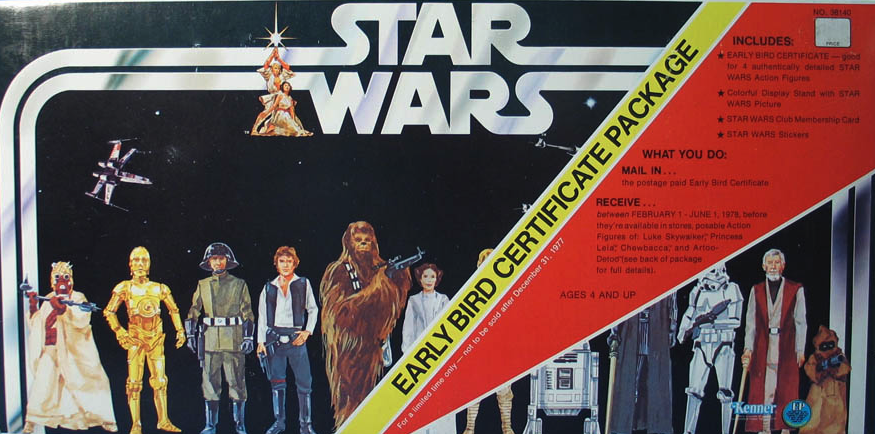
Kenner’s Star Wars early bird certificate package.
But here's the part that most people don't talk about enough.
Lucas Didn't Get It Right the First Time - He Fixed It
The initial Star Wars licensing deal included a revenue split with Fox. Lucas hadn't locked up all the merchandising rights from day one. He had the rights, but he shared the upside.
When it came time to negotiate The Empire Strikes Back, he held all the cards. He offered Fox distribution rights for seven years and asked for the merchandising rights back - entirely. Fox wanted the sequel badly enough that they agreed.
From that point on, Lucas owned it all. Comics, clothing, games, novels - all managed through Lucasfilm. By the early 1980s, merchandise was generating more revenue than the films themselves.
Today, it's estimated that licensed Star Wars product has generated over $30 billion in total retail sales.
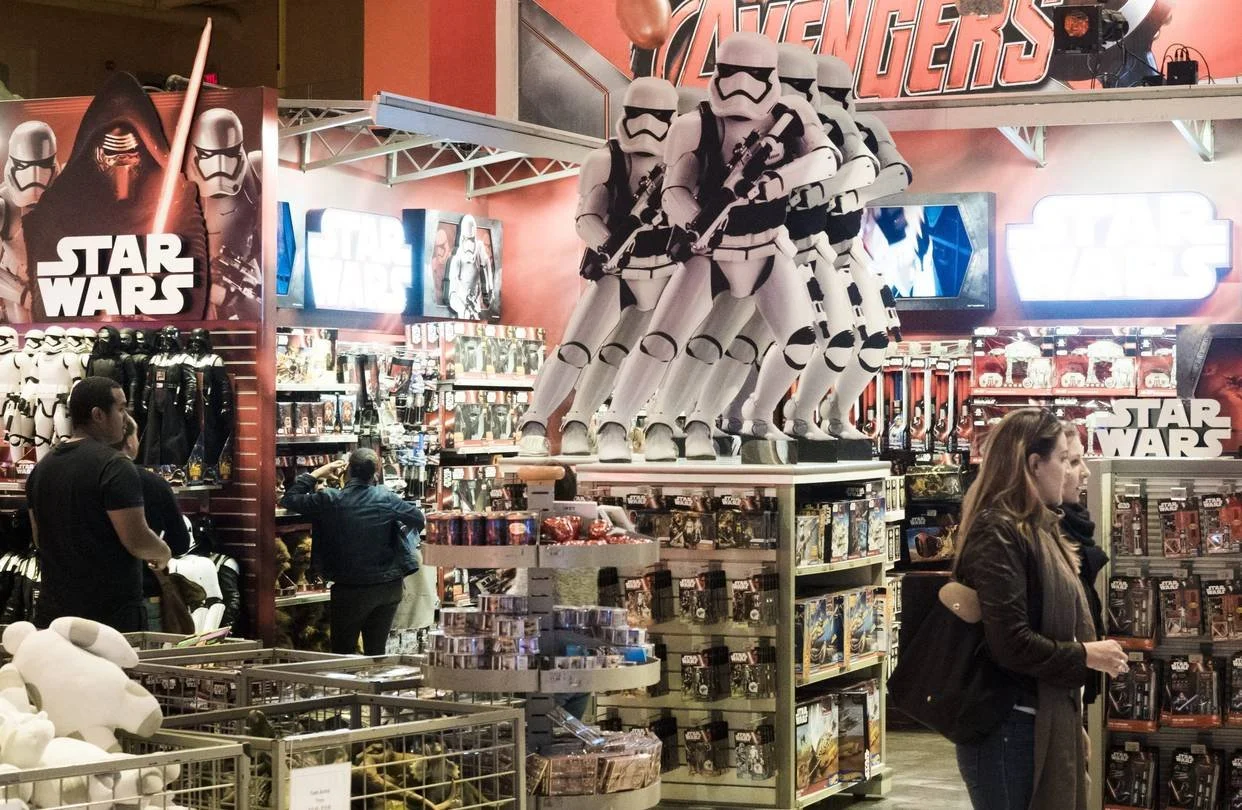
Star Wars is one of the most successful licenses of all time with an estimated US$30b+ in retail sales.
In 2012, Disney acquired Lucasfilm - and with it the entire Star Wars franchise - for $4.05 billion: half cash, half Disney stock. It remains one of the most significant IP acquisitions in history.
The lesson isn't just about the scale. It's about sequencing. Lucas didn't get a perfect deal in 1977. But he understood the asset he was building, and he corrected his position the moment he had the leverage to do so. That's strategic thinking over a long time horizon.
The Rarest Quality in Licensing: A Brand That Lives Without a Screen
Today, Star Wars is in cinemas again. The Mandalorian and Grogu arrives later this month, which means parents everywhere are already buying merchandise - for kids who may not be able to name a single character.
That's not a problem. That's the point.
Star Wars has something almost no other franchise achieves: cultural osmosis. Kids absorb it without watching it. I've seen it firsthand. A toddler wearing a Grogu backpack who has never seen The Mandalorian. A child recognising Darth Vader's silhouette without knowing what the silhouette means. The brand has transcended the screen and become part of the fabric of childhood itself.
That's what truly evergreen IP looks like. It doesn't need a new release to be relevant. The release is a catalyst - not a crutch.
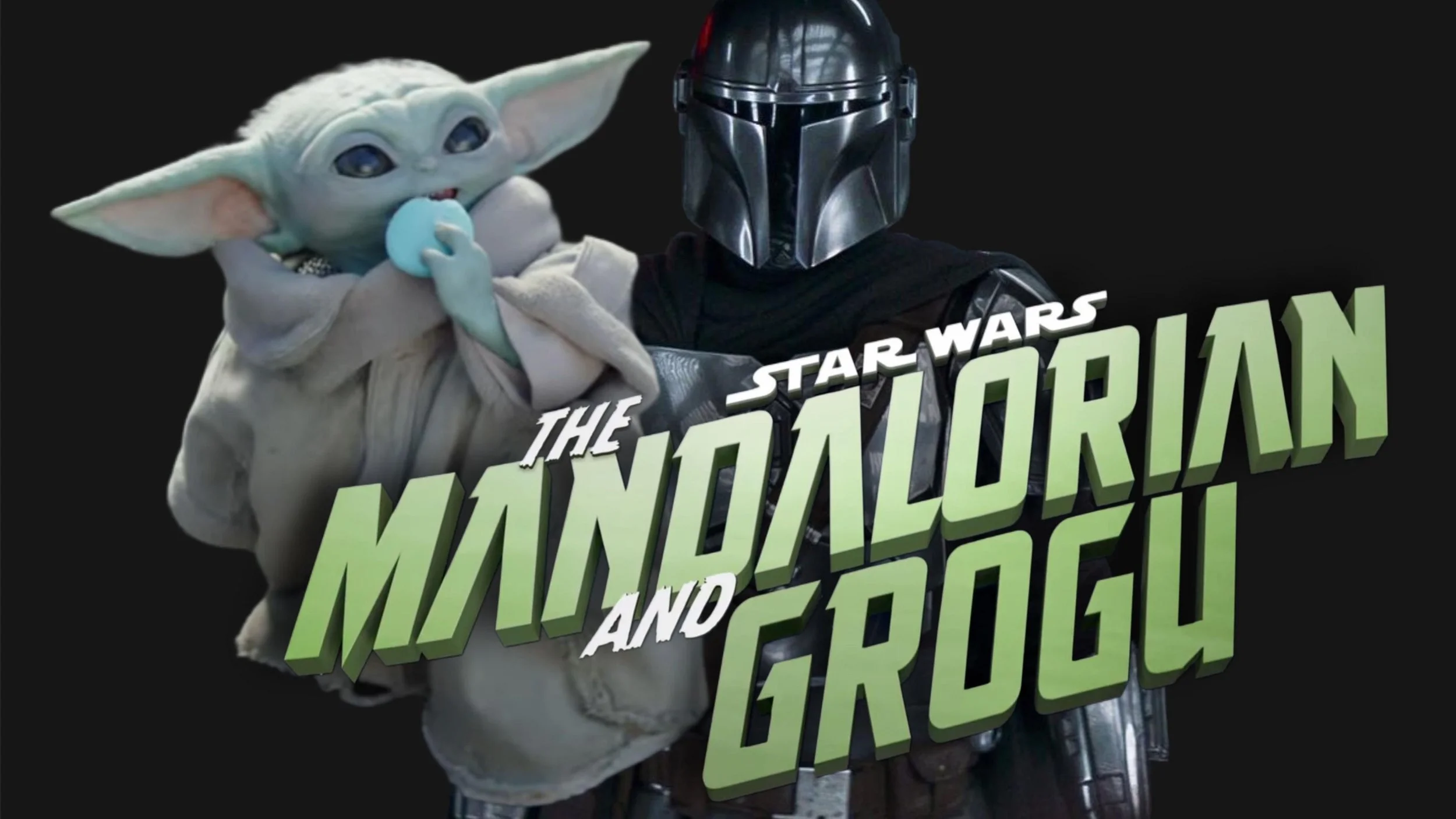
The next Star Wars film - The Mandalorian and Grogu - hits cinemas May 22.
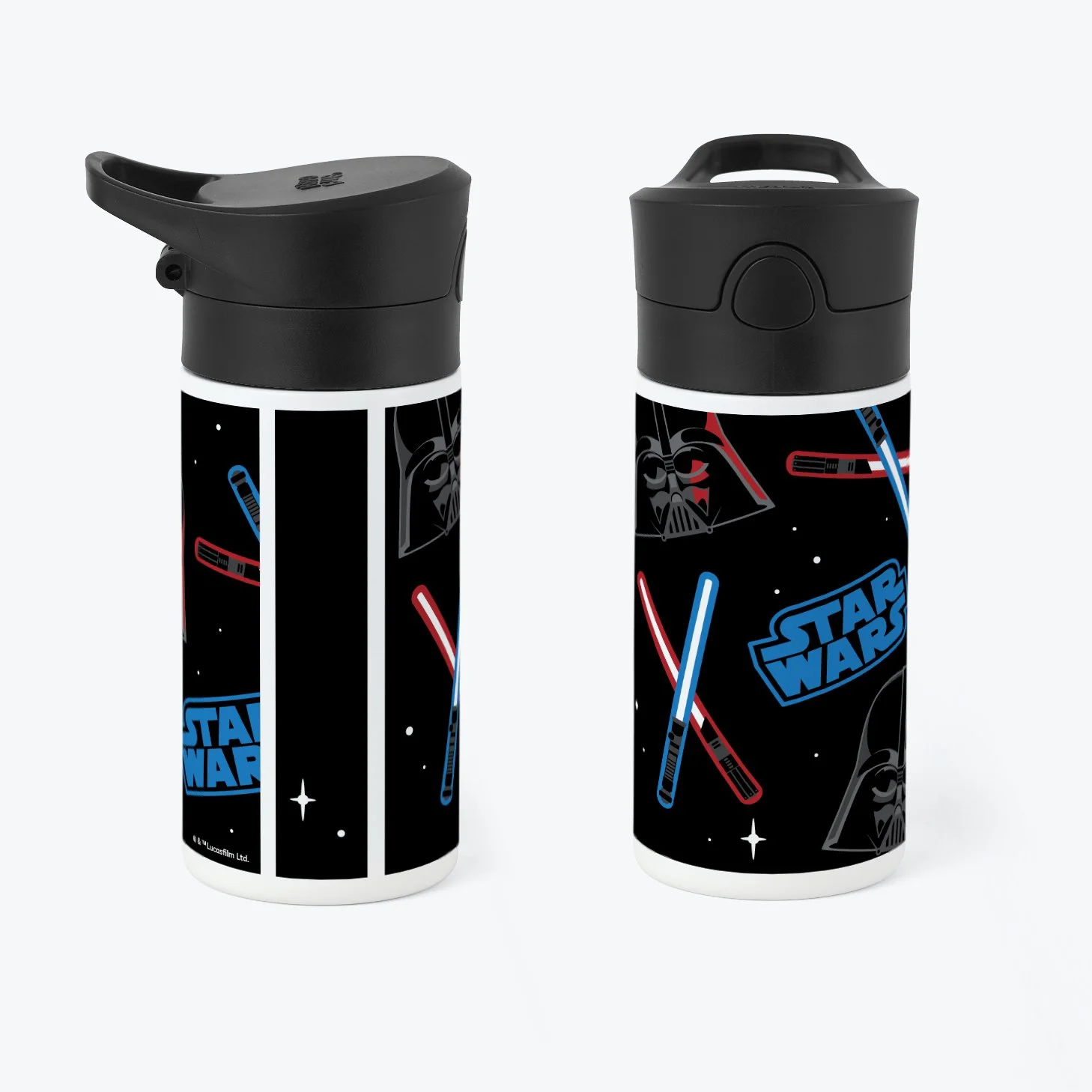
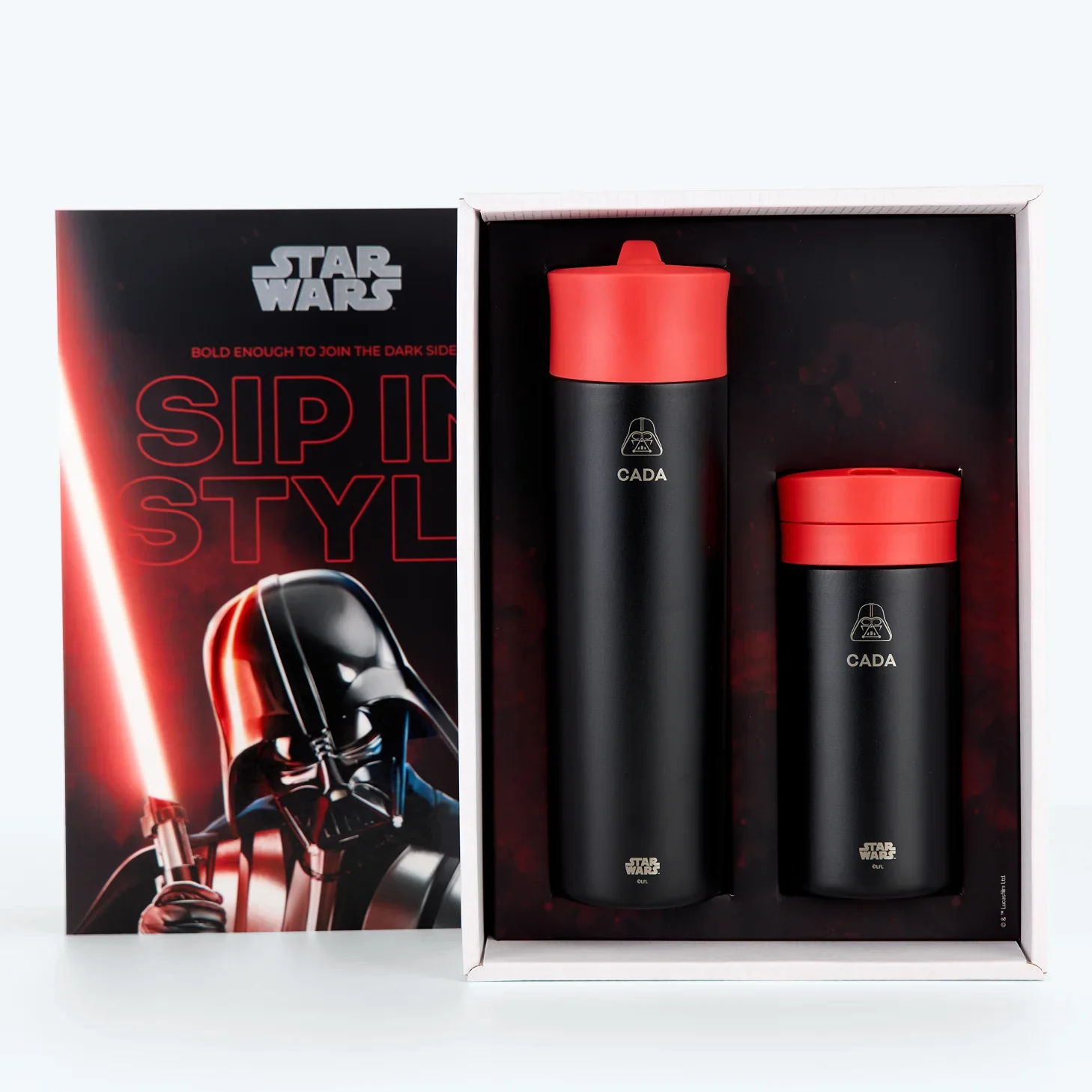
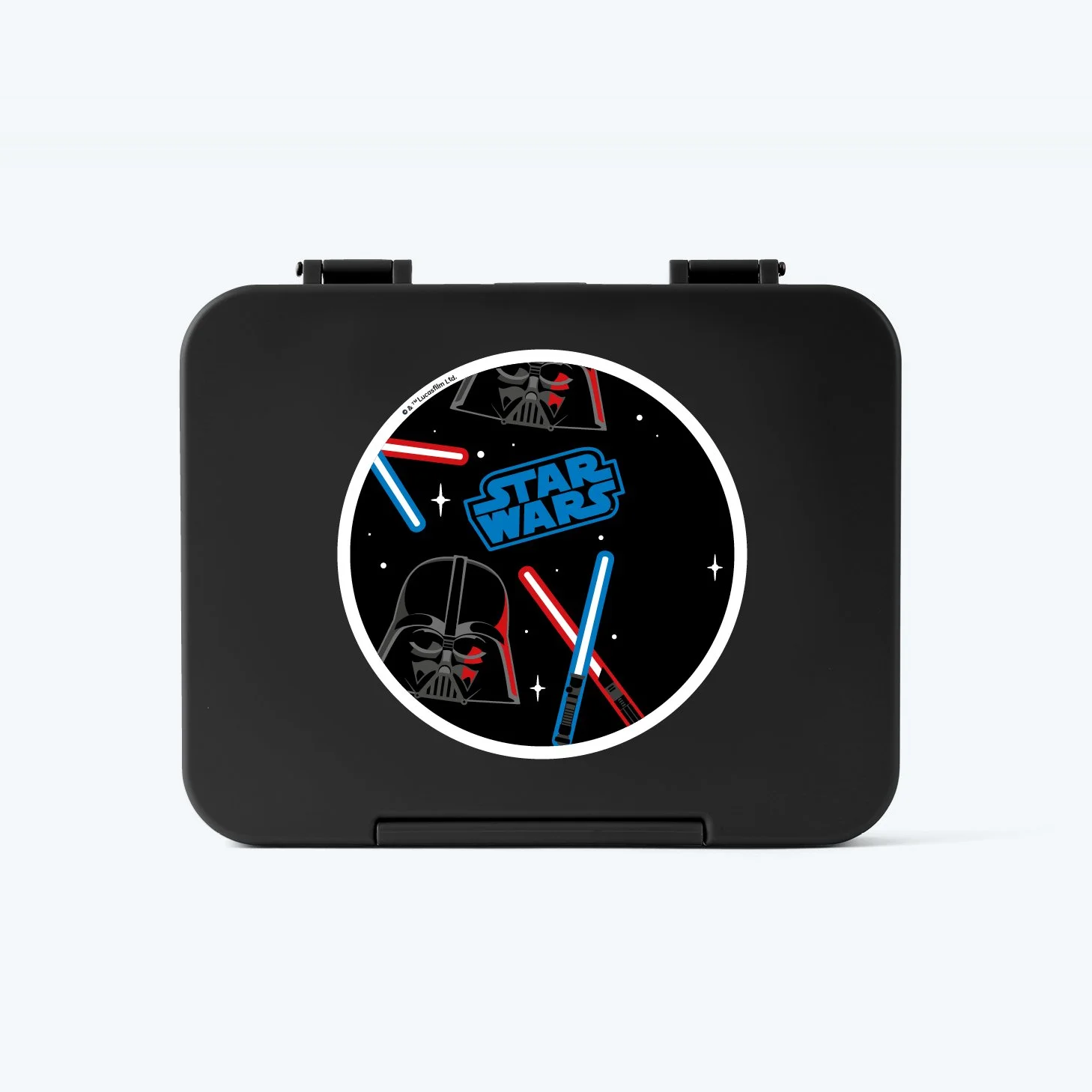
Our client Hippo Blue understood this when they licensed the Star Wars property. Hippo Blue makes personalised children's products: backpacks, bento boxes, drink bottles, stickers. Their Star Wars range launched on May 4 last year - Darth Vader silhouettes, lightsabers, each piece personalised with your child's name. They also extended the range to adult fans with Sip in Style box sets: a Dark Side set featuring Darth Vader and a Light Side set featuring R2-D2, each including a personalised drink bottle and coffee cup.
It's a clean example of what good licensing execution looks like. Hippo Blue didn't just slap a logo on a product. They understood their customer, built a product around personalisation and gift-giving, and leaned into the emotional resonance of the IP. The franchise gave them credibility. The product gave the customer a reason to buy.

The Volkswagen Ad: When Licensing Changed How Advertising Works
One of my all-time favourite Star Wars licensing moments had nothing to do with a toy.
In 2011, Volkswagen released a Super Bowl commercial called "The Force." A small child in a Darth Vader costume wanders around the house trying to use the Force on the washing machine, the dog, his sister's doll. Nothing works. He walks up to his father's Volkswagen in the driveway, raises his hands - and the car starts. Pure astonishment on his face. What he didn't know: dad had used the remote start from inside the house.
It is, by any measure, a perfect piece of advertising. But here's what makes it relevant in a licensing context: Volkswagen released it on YouTube days before the Super Bowl. At the time, that was unheard of. The conventional wisdom was that you held your Super Bowl ad until game day. Volkswagen bet that the creative was strong enough to go viral before broadcast.
It had 8 million views before it aired on television. By the Monday after the game: 15 million views. It remains one of the most shared TV commercials ever made.
None of that happens without Star Wars. The IP didn't just give Volkswagen a character to use — it gave their ad instant cultural shorthand, a shared emotional reference point across generations. It changed how the campaign performed. And arguably, it changed how brands think about releasing Super Bowl content.
“The right IP doesn’t just sit on a product. It changes what the product is capable of.”
LISTEN TO THE PODCAST
The Bottom Line
George Lucas made a calculated trade in 1977. He gave up short-term cash for long-term asset ownership — and then spent the next decade systematically acquiring the rights he'd initially shared. The result was a licensing empire that generated $30 billion in retail sales, and ultimately a franchise sale worth $4.05 billion.
The lesson isn't "get everything in the first deal." That's rarely possible. The lesson is: understand what you're building, know the value of the rights on the table, and position yourself to correct the deal when leverage shifts.
Star Wars also demonstrates what separates a licensing program from a licensing empire: cultural integration. When a brand is so deeply embedded in culture that children absorb it before they've ever seen the source material, you've moved beyond IP monetisation. You've created generational pull. That's the rarest, most defensible position in licensing — and it didn't happen by accident. It happened because Lucas understood that merchandise wasn't a side business. It was the business.
Today, as The Mandalorian and Grogu draws families back to cinemas and Hippo Blue ships personalised Grogu backpacks to kids who've never seen the show, the same logic applies. The screen generates attention. Licensing converts that attention into retail. And the best programs — the ones built on truly evergreen IP — don't need a theatrical release to keep selling.
May the 4th be with you.
want to connect?
The Born Perspective is one part of a bigger conversation. If you want more, you can find me on LinkedIn for industry commentary, Instagram for what's happening day to day, and YouTube and the Born to License Podcast for deeper dives into the world of licensing. Pick your platform. I'll be there.
Explore the Born Collective
Everything I build connects back to licensing. Here's where to go depending on what you need: