Kicked Out of Walmart - we took the licensing chat to the car park
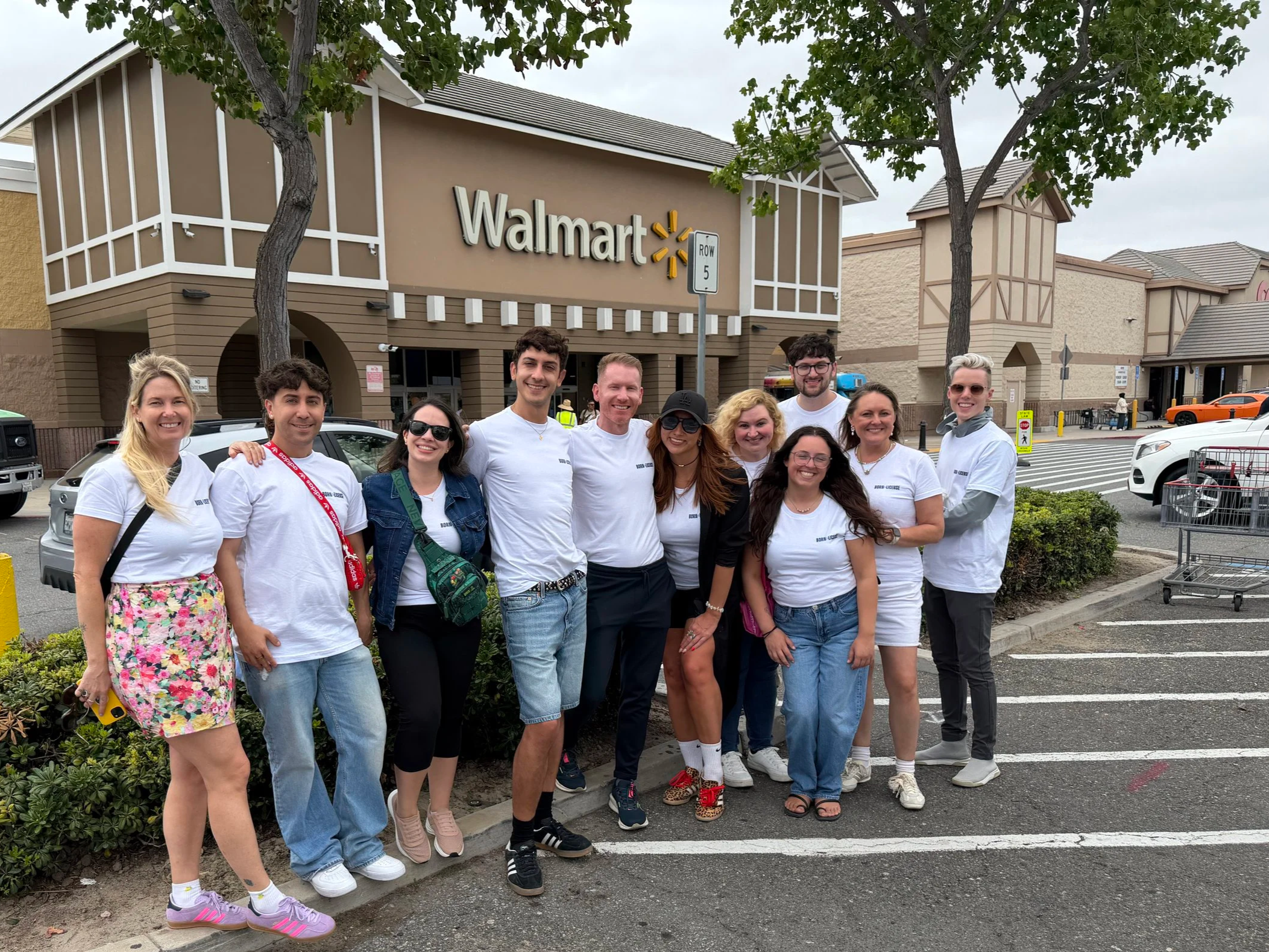
Team Born after being kicked out of Walmart
We had a plan. We always have a plan. The whole Born team was together in the United States - a rare thing - and we decided to do what any licensing agency worth its salt would do: go to Walmart.
4,500 stores. The world's largest retailer. The single biggest physical footprint for licensed product on the planet. If you want to understand what licensing actually looks like at scale - not in a pitch deck, not in a royalty report, but in the real world, on a shelf, in someone's hands - you go to Walmart.
The mission was simple. Each team member would fan out across the store, find the most interesting licensed product they could, and I'd come find them, camera rolling, and we'd talk through it. Real product. Real insight. Real team.
Then . . . security shut us down.
The Brief Changed. The Objective Didn't.
We hadn't done anything wrong. We were a group of licensing professionals who got a little enthusiastic with a camera inside a retail store. Security asked us to stop filming. We respected that immediately - you always respect the rules of the room you're operating in.
But here's what I noticed: nobody on the team panicked. Nobody suggested we pack up and head home without completing our mission. The energy didn't drop.
Someone said: "What if we each buy the product we found, and we do it outside?"
That was it. New brief. Same objective.
“When the conditions change, the discipline is to keep your eye on what you’re actually trying to achieve - not the method you planned to use.”
Within minutes we'd each grabbed our chosen products, paid, and reconvened outside the store. Transcript still rolling. Insights still sharp. The video got made. And honestly? It might be better for the pivot.
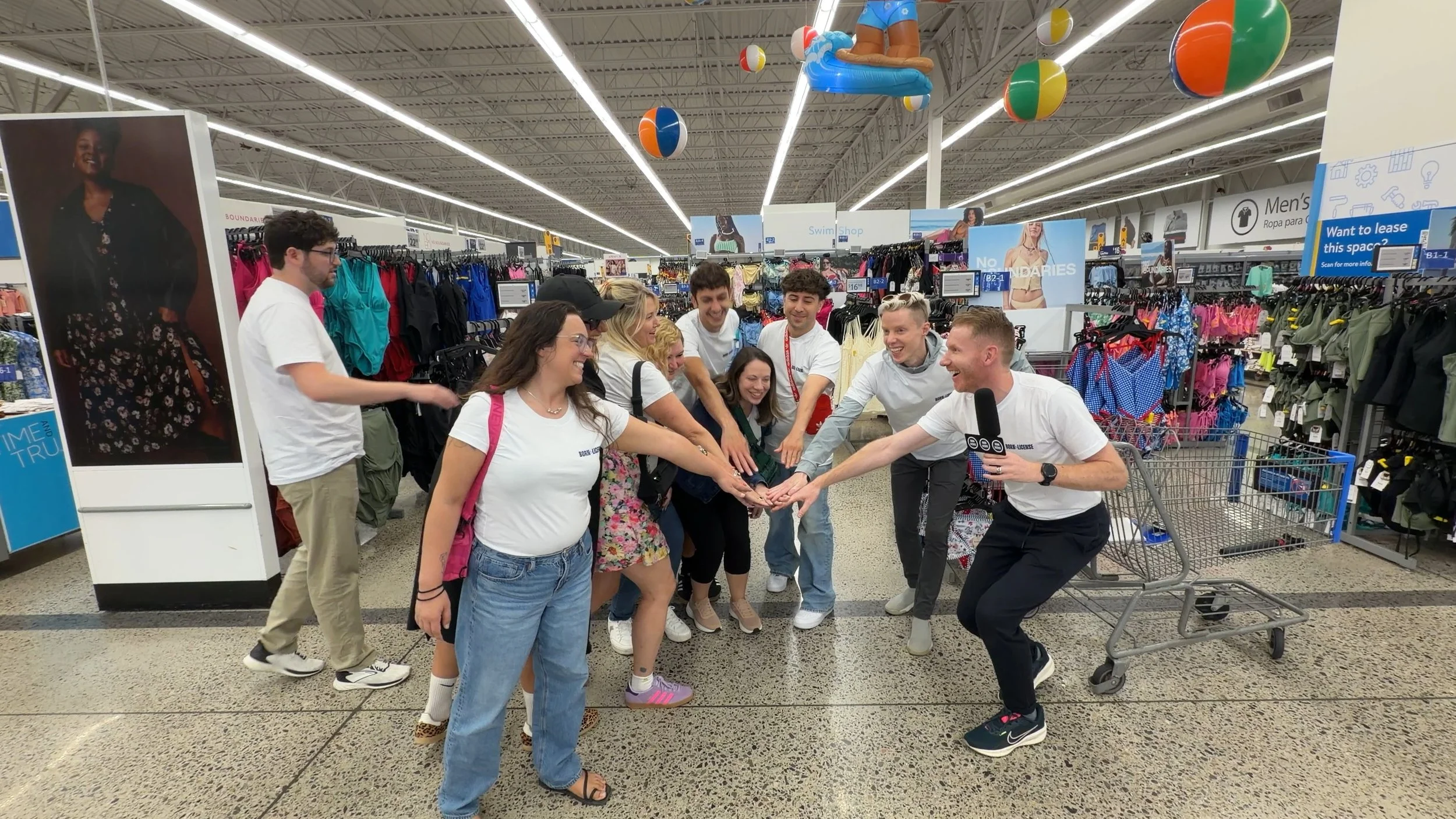
The Born team having a group huddle before hunting down licensed product and then being kicked out of Walmart.
What the Team Found
Here's what struck me when we did the debrief outside: the range of product the team had selected told a complete story about where licensing is right now.
Before we were escorted out of Walmart, Michelle found a range of cool SpongeBob branded apparel - part of a Justice collaboration - with yellow buttons and a Spongebob zip detail. $20 at Walmart. Instantly recognisable IP, translated into apparel with genuine product development thought behind it. Not a logo slap. A considered collaboration.
Jenna went deep into Bluey, picking up a product based on the duck cake episode - a specific reference that only fans would clock, executed as interactive play. That level of IP specificity is a sign of a mature licensing program. Bluey's team knows exactly what they're doing.
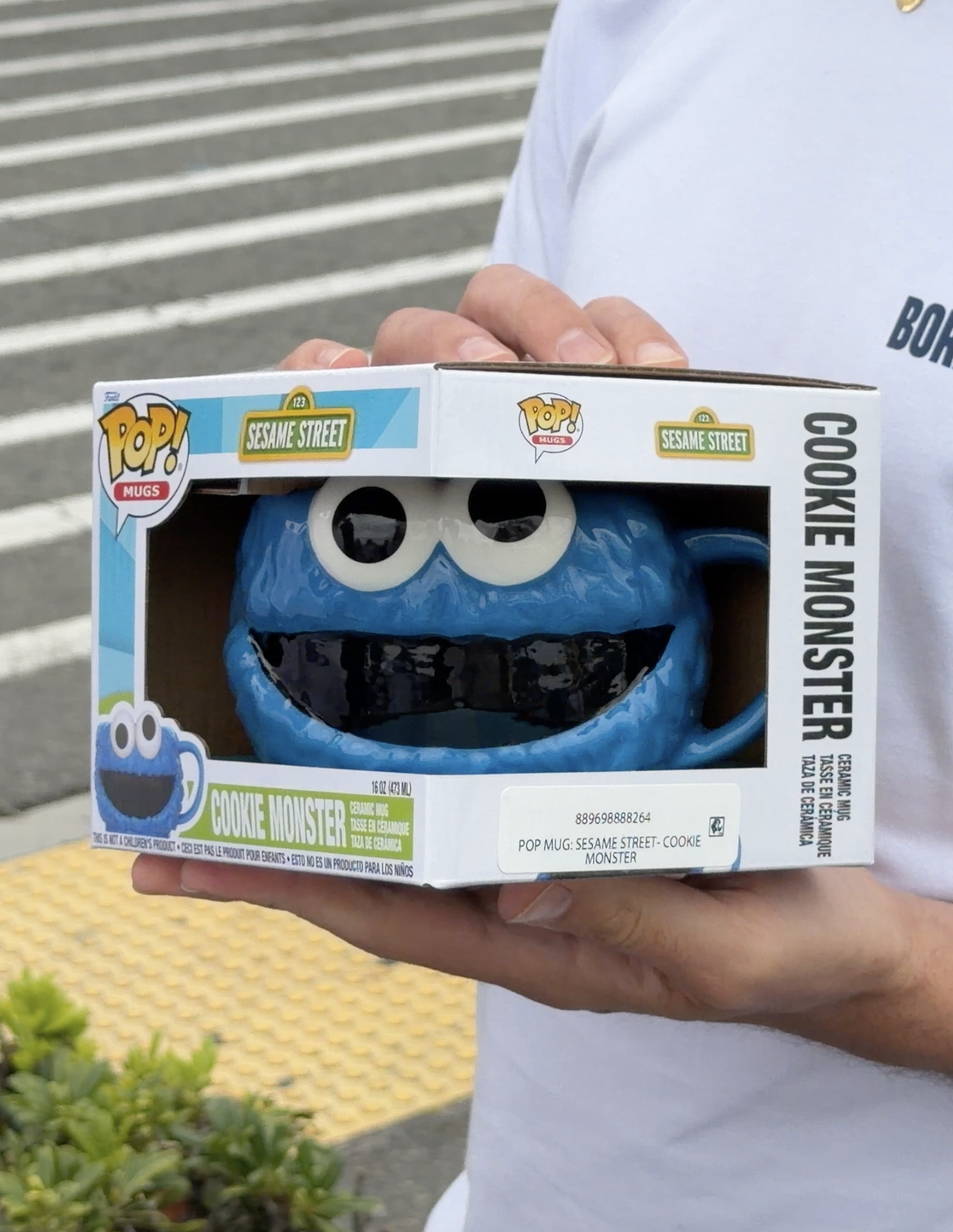
Alberto found a Cookie Monster mug by Funko. We were excited to see Funko expanding beyond collectibles and into the kitchen.
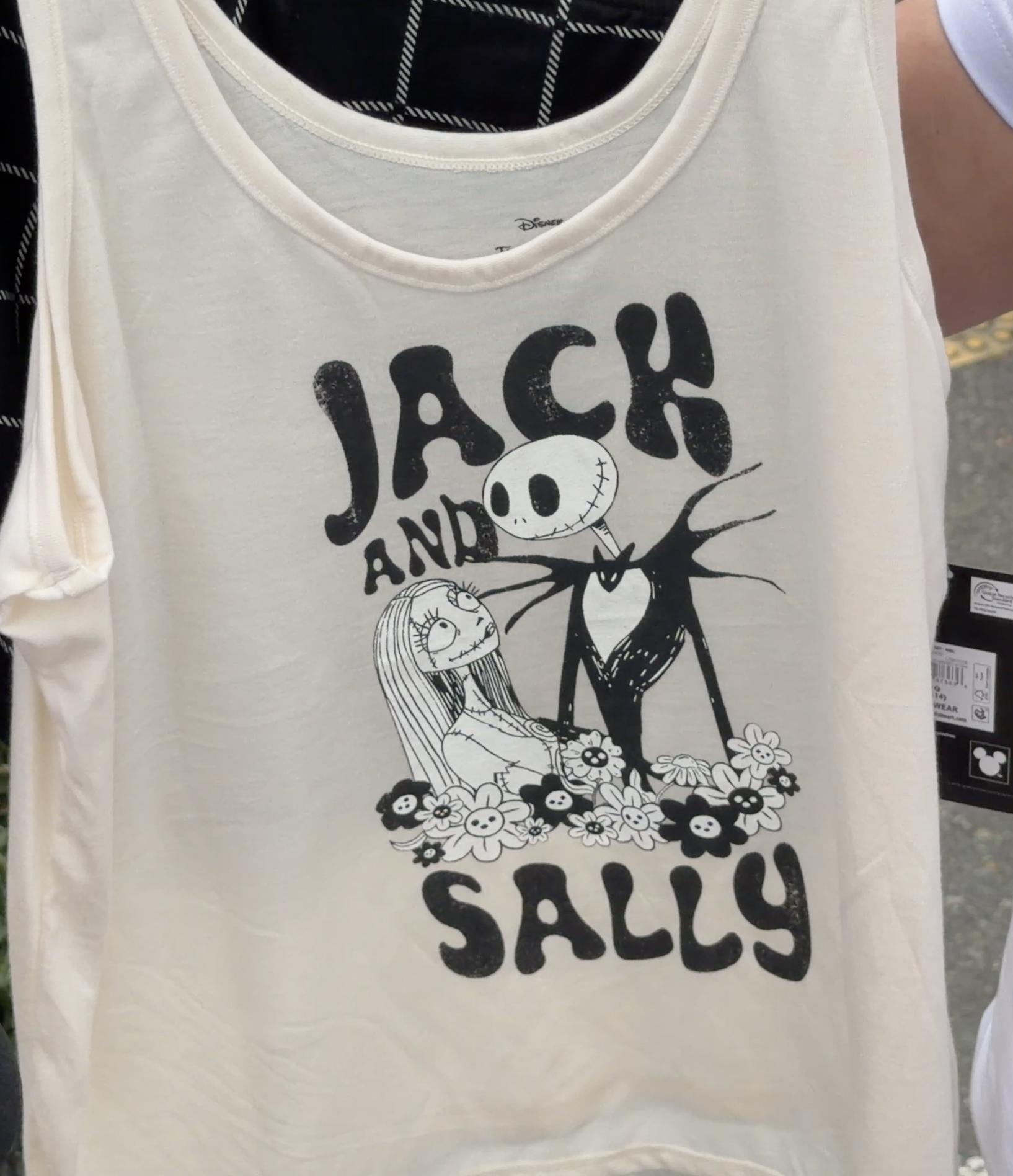
Alyssa spotted Jack and Sally from The Nightmare Before Christmas sleepwear - in summer. She'd already been tracking the trend of seasonal characters being deployed outside their traditional window, and here it was on a Walmart shelf. When you see a trend in real product at mass market, it's no longer a trend. It's a standard.
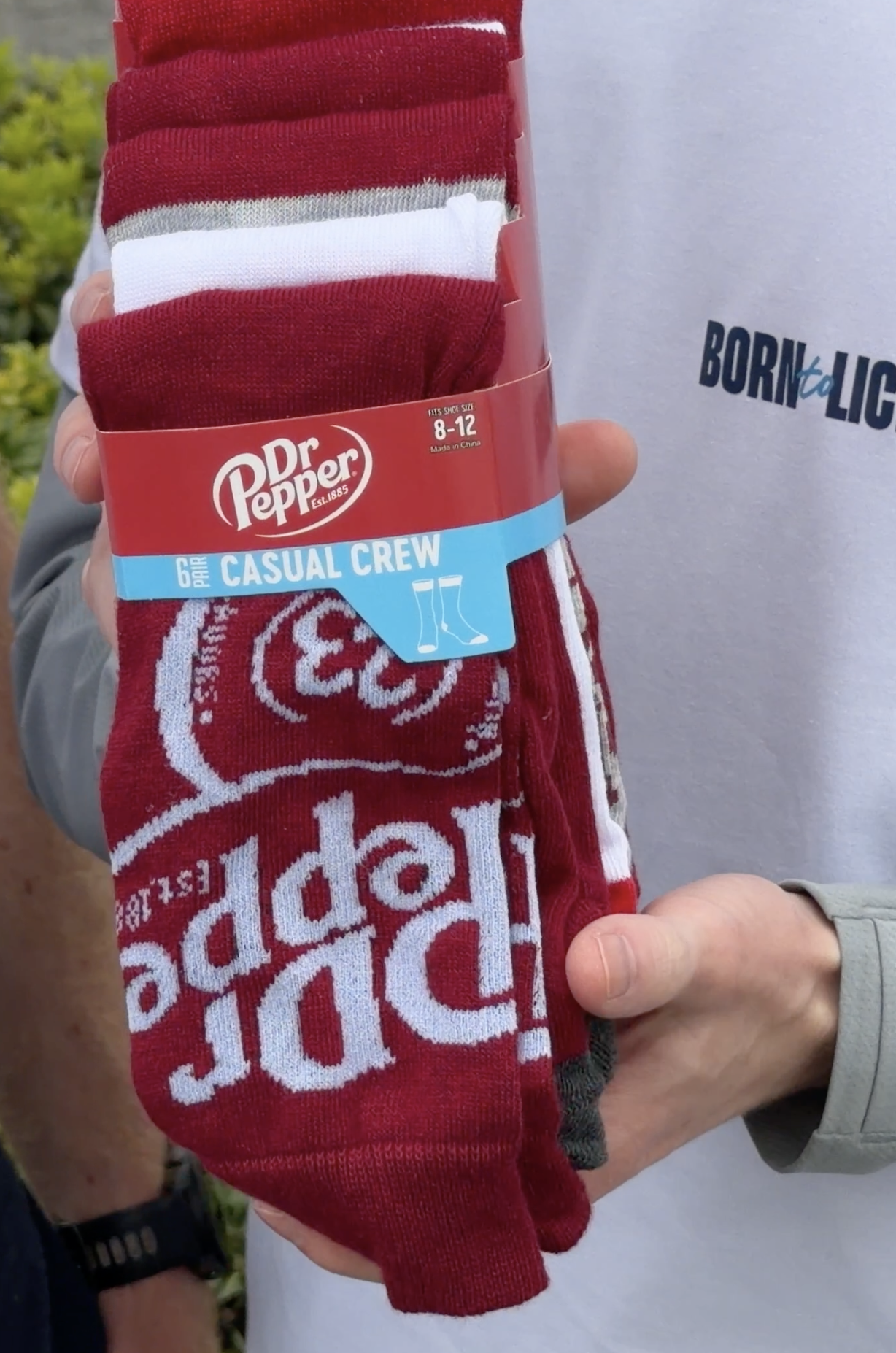
Vini picked Dr. Pepper socks - corporate brand licensing, not entertainment. A reminder that the licensing industry is bigger and more diverse than its most visible properties. Not everything has a face and a franchise.
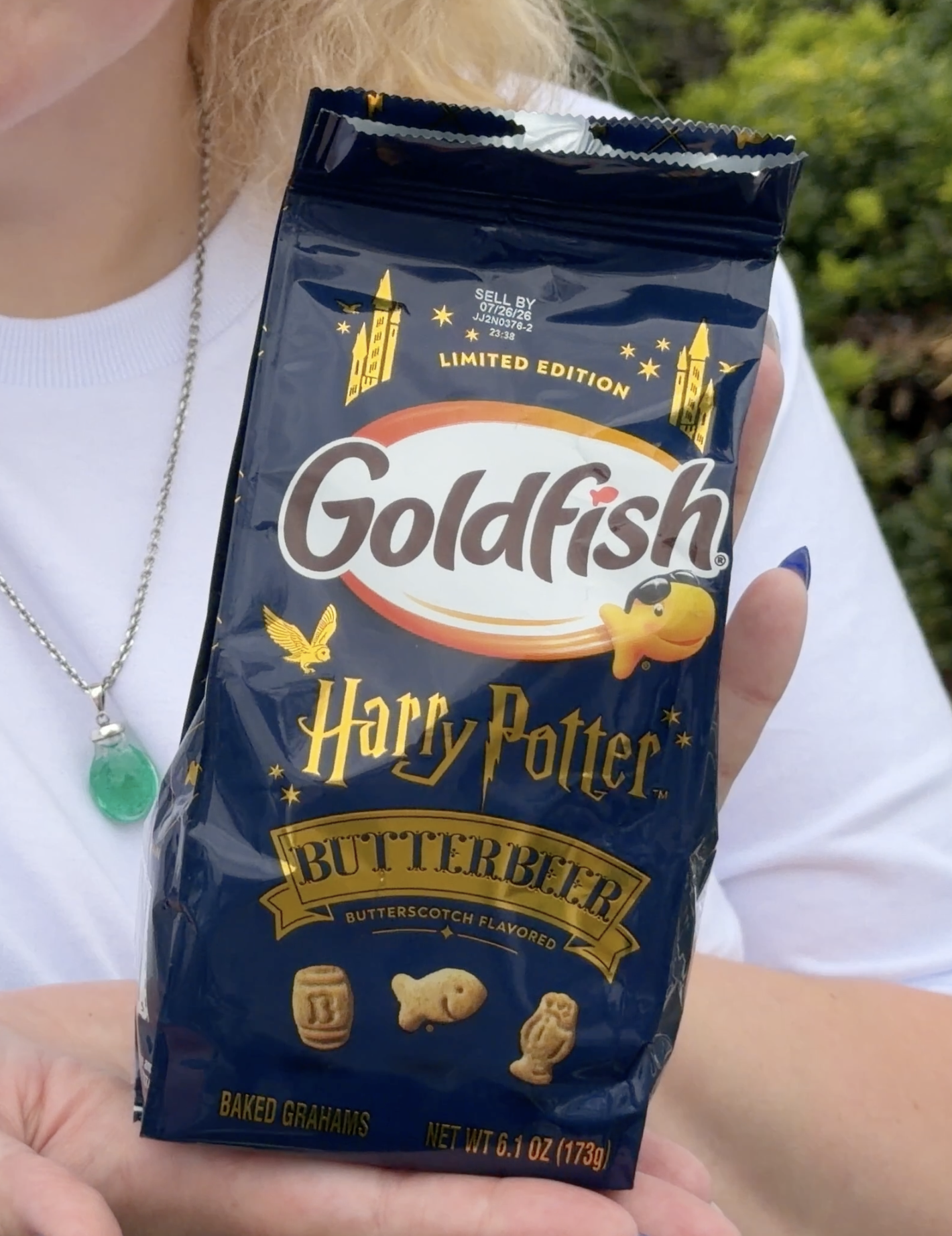
Brinna found Harry Potter Butterbeer-flavoured Goldfish crackers. FMCG. Co-branded. Harry Potter doing what Harry Potter always does: finding its way into every product category imaginable, because the IP is that strong and the consumer appetite is that consistent.
And I chose SpongeBob - of course I did - in an FMCG format. A dome-shaped product where the character is applied to the top. You can't even see his sponge texture. But everyone knows exactly who that is. That's what genuine brand recognition looks like: you could strip away half the character and the consumer still connects.
Take a look at the full video to see the licensed products that other members of the Born team chose.
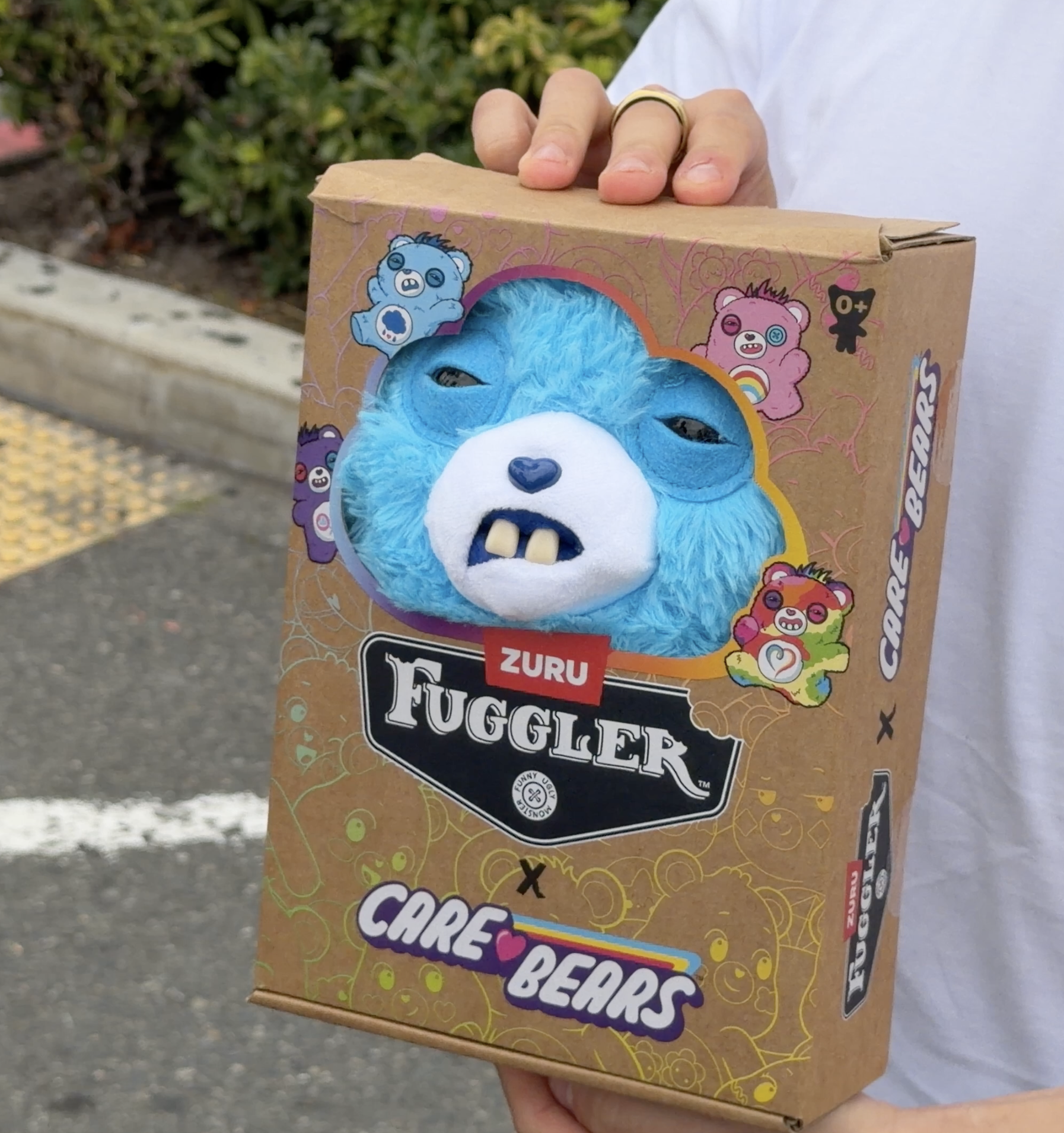
This Is Why You Do Field Research
We talk about licensing strategy in boardrooms, on podcasts, in pitch decks. That's necessary. But it's not sufficient.
There is no substitute for standing in front of a shelf and looking at what's actually there. What properties made it to mass market. What collaborations got approved. What price points cleared. What product categories are growing. What design choices were made at the execution level.
You learn things in a Walmart aisle that you can't learn anywhere else. Not because the information is secret - because you have to see it to understand it. Royalty data tells you a property is performing. Standing in front of forty feet of Bluey product tells you why.
Every member of my team has a different lens. Michelle sees apparel. Jenna sees product development complexity. Alberto sees brand collaboration. Alyssa sees trend signals. Eduardo sees nostalgia and cultural connection. Juliana sees the global consumer - she's taking Bluey back to Brazil, which tells you everything about how far that property has travelled.
Putting the whole team in one store at the same time, with a simple brief to find something they believed in - that's a masterclass you can't schedule. It happens when you're paying attention and you care about the industry you work in.
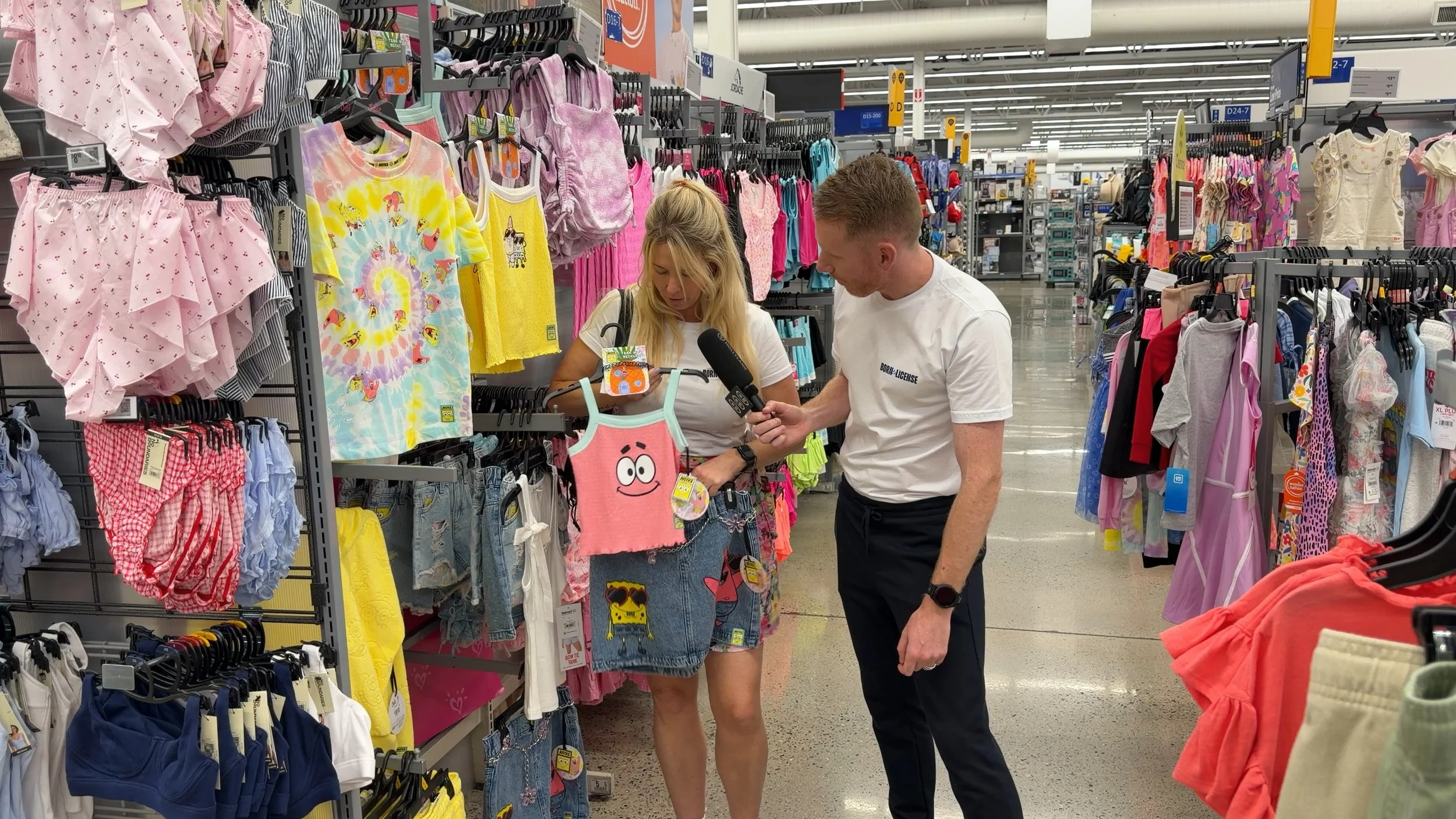
Michelle and David checking out licensed SpongeBob SquarePants product at Walmart
The Lesson Security Didn't Intend to Teach Us
The irony of getting redirected by security is that it made for a better piece of content and a sharper team moment than the original plan would have.
The inside footage would have been fine. The outside debrief - everyone gathered around their chosen product, making the case for why they picked it - was genuinely revealing. You had to think harder about your selection when you knew you'd bought it with your own money and you'd be explaining it on camera.
Skin in the game, even at $14 for a Bluey dress, changes how you think.
That's a licensing principle, too. The best deals happen when both sides have something real at stake. When the licensee has committed - financially, operationally, creatively - they show up differently. Minimum guarantees exist for exactly this reason. Commitment clarifies thinking.
watch the video
The Bottom Line
We went to Walmart with a plan. Security changed the plan. The team didn't miss a beat.
What you saw outside that store wasn't improvisation. It was a group of people who understand what they're doing well enough to adapt without losing the thread. That's what genuine expertise looks like - not a perfectly executed plan, but the ability to keep moving when the plan changes.
The licensed product we found told a clear story about where the market is: IP specificity is increasing, FMCG remains one of the most powerful categories, seasonal characters are breaking out of their windows, and Bluey is doing things that most properties only dream about.
And SpongeBob, as always, was everywhere.
If you want to understand licensing, get off the spreadsheet and into the store. The shelf doesn't lie.
want to connect?
The Born Perspective is one part of a bigger conversation. If you want more, you can find me on LinkedIn for industry commentary, Instagram for what's happening day to day, and YouTube and the Born to License Podcast for deeper dives into the world of licensing. Pick your platform. I'll be there.
Explore the Born Collective
Everything I build connects back to licensing. Here's where to go depending on what you need: