What Licensing Expo 2026 Actually Told Us
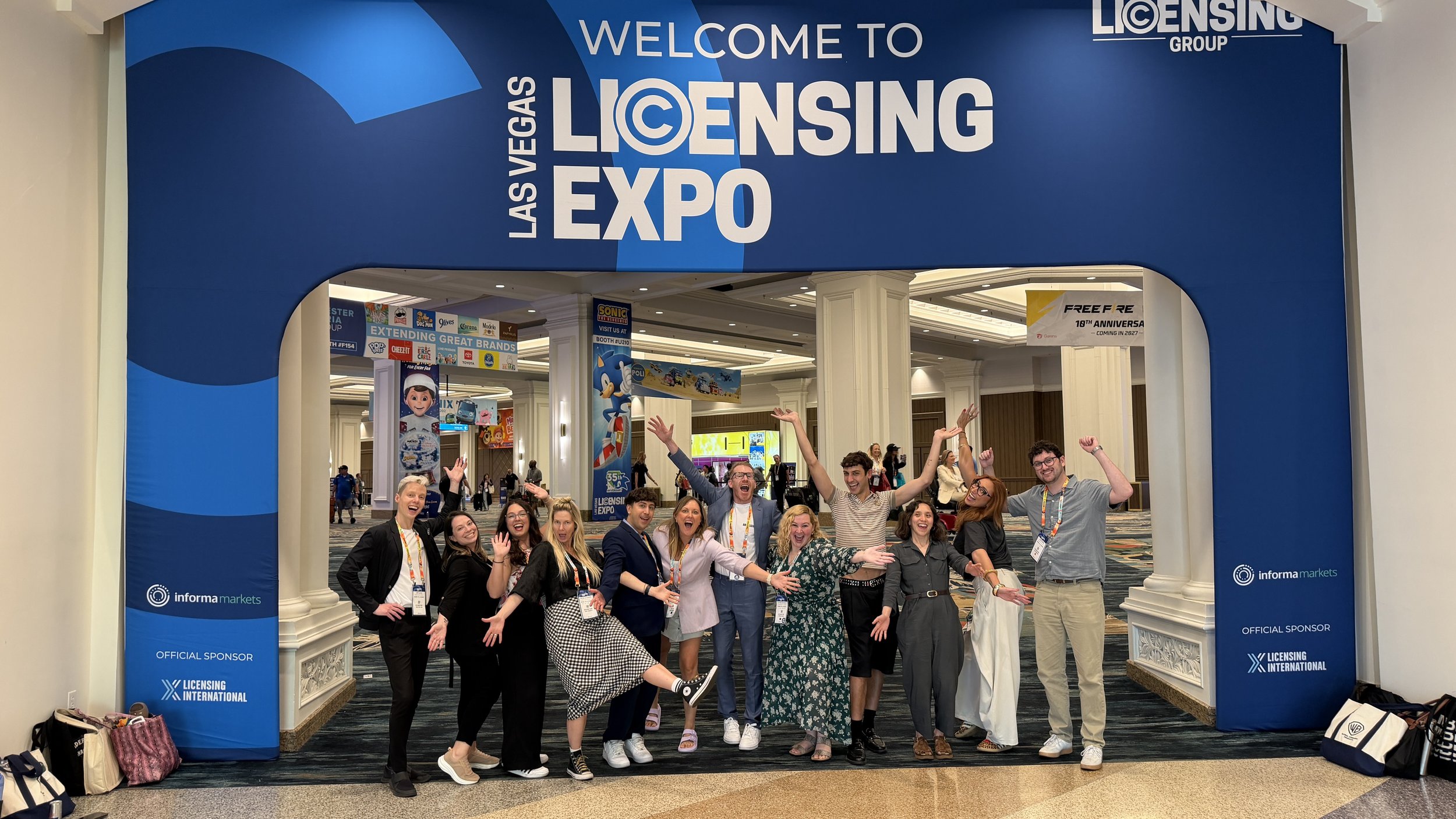
Team Born at Licensing Expo 2026
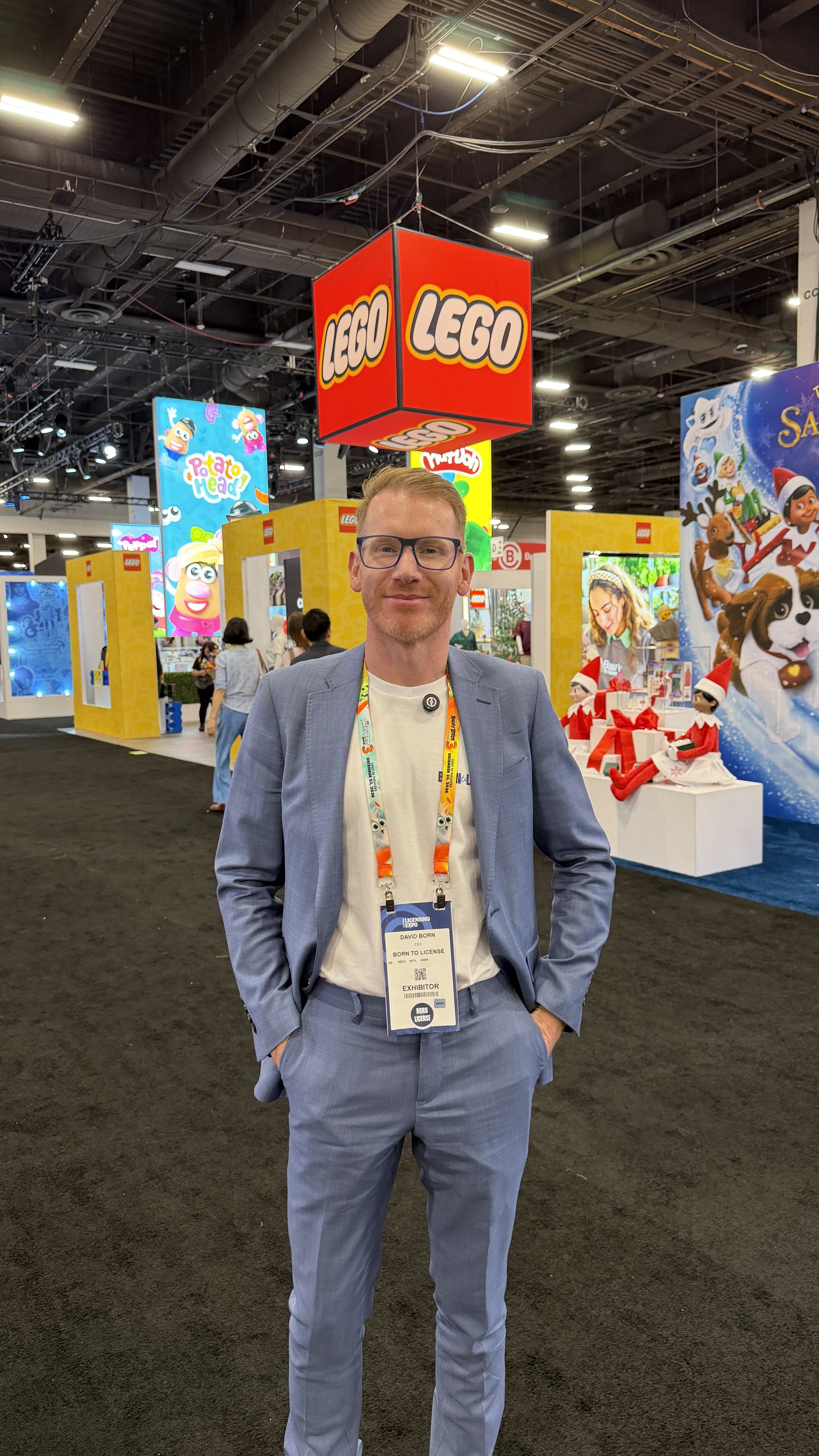
Vegas is always loud. But if you know what to listen for, Licensing Expo has a way of cutting through the noise. I've just wrapped another week on the show floor - voice intact, barely - and this year gave me more to think about than most.
Episode 20 of the Born to License Podcast captured three angles on the week: my panel at the Networking Hub on AI and licensing, a check-in with the Born team while they were living and breathing the show, and a series of booth conversations with exhibitors - many of them first-timers. Together, those three lenses gave me a clear picture of where the industry actually is right now.
AI Will Reshape the Deal Lifecycle - But Not the Deal
Licensing Expo invited me to join the Networking Hub for a conversation on AI and licensing. I want to be honest: I don't position myself as an AI expert. What I do have is a clear view of how deals get done, and therefore where AI is genuinely useful and where it isn't.
The strongest argument I made on that panel was this: AI will not replace the two things that make licensing work - trust and relationships. The people in that room have spent decades building those. No tool automates that.
“Everybody under this roof works around trust and relationships. Those elements are untouchable in our industry.”
But dismissing AI entirely would be equally wrong. When I look at the full lifecycle of a licensing deal - from IP identification to contract negotiation, product development, royalty reporting, CMF compliance, and forecasting - there is friction at every stage. AI will reduce that friction. It will help licensees and licensors move faster from deal execution to product on shelf. That's not a small thing.
One idea I raised that generated real conversation: dynamic royalty structures. Imagine a theatrical IP being licensed 24 months before release. Today, royalty rates are fixed. But what if they were tied to box office performance - moving up if the film outperformed, down if it didn't? AI could manage that calculation across an entire licensee base in real time. It would change how risk is allocated in every licensing deal.
That kind of thinking is what the industry should be doing right now - not just automating existing workflows, but rethinking the structures that AI makes possible.
One more thing I said on that panel and I'll stand behind it here: we cannot eliminate entry-level jobs in the name of efficiency. I started my career doing administrative work. That work gave me the foundation for everything I've built. If we use AI to remove the on-ramp for the next generation of licensing professionals, we're making a short-term efficiency trade for a long-term industry cost. That's a decision worth taking seriously.
Big thanks to moderator Steven Heller and fellow panelists Ximena Duque and J. Scott Evans.
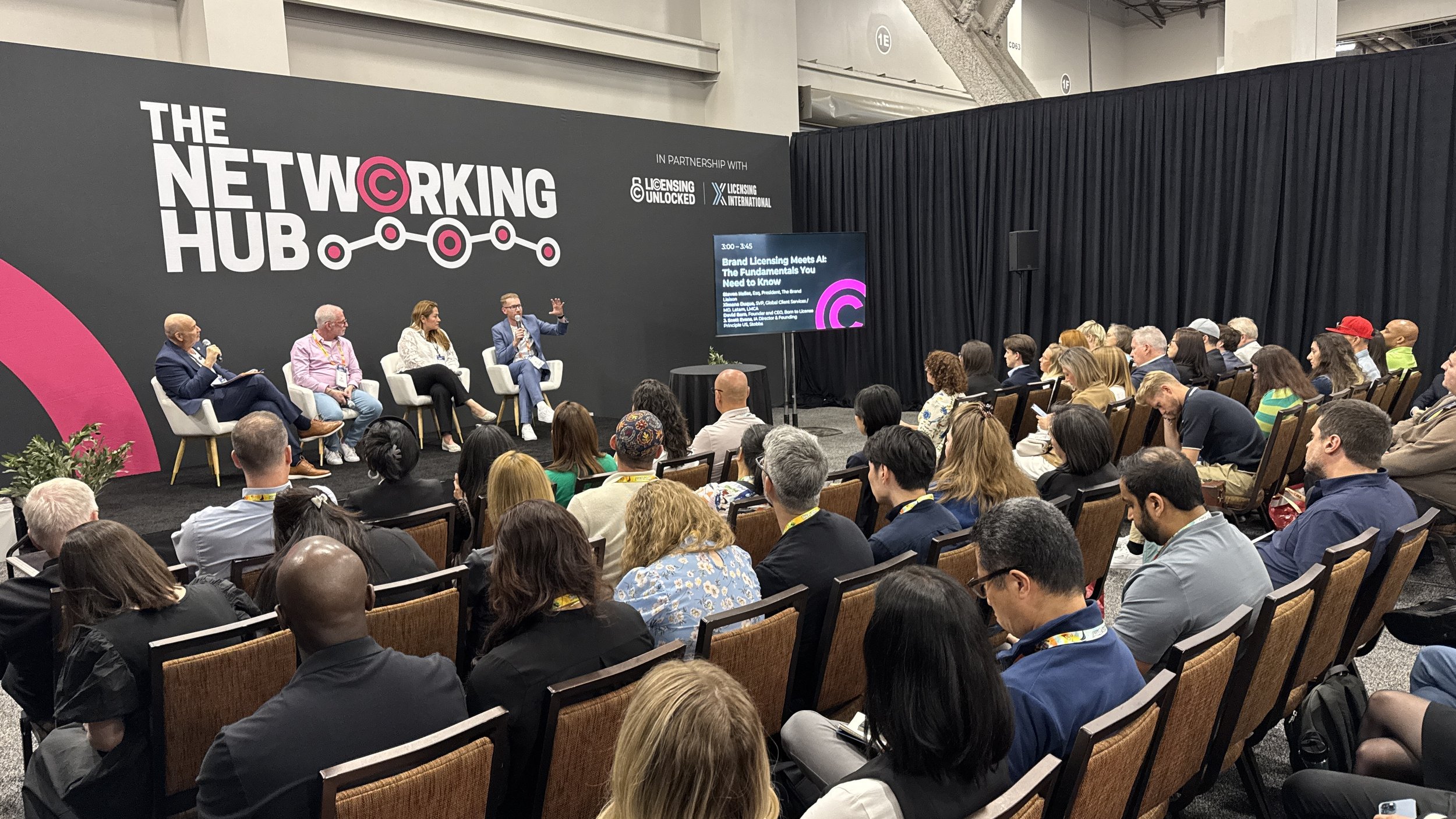
David Born speaking about AI and licensing at The Networking Hub during Licensing Expo 2026. Also pictured: Steven Heller, Ximena Duque and J. Scott Evans.
What the Born Team Saw From the Floor
While I was in meetings, the Born team were running the booth, taking calls, and absorbing the show in real time. What they reported back reinforced something I've believed for a long time: Licensing Expo surfaces demand you don't expect.
Walk-ins - people who hadn't scheduled a meeting - showed up with genuine potential. Some came as prospective licensees. But just as many arrived wanting to be licensors: illustrators, storytellers, creators who'd built IP and wanted to understand how to monetise it. The volume of people who didn't yet understand the basics of licensing was striking. Learn to License exists for exactly that reason - and this week was a reminder of how significant that market is.
The team also met characters. Literally. Peppa Pig made an appearance. The How to Train Your Dragon cast stopped by. That's part of what makes this show different from any other deal environment - the IP is present in a way that no pitch deck or Zoom call can replicate. You feel the scale of what licensing touches.
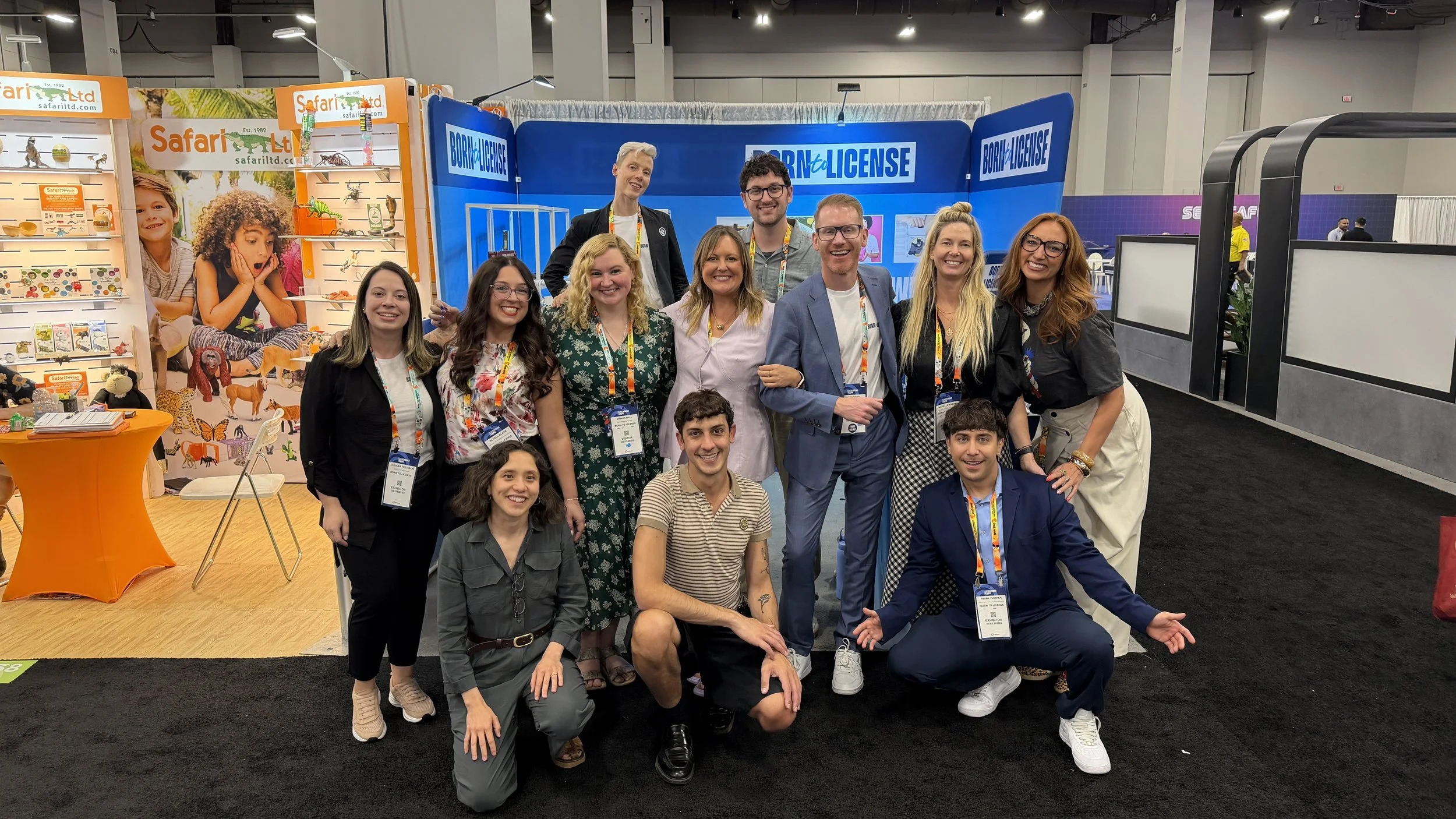
The Born team at Licensing Expo 2026.
The unique Exhibitors Who Caught My Attention
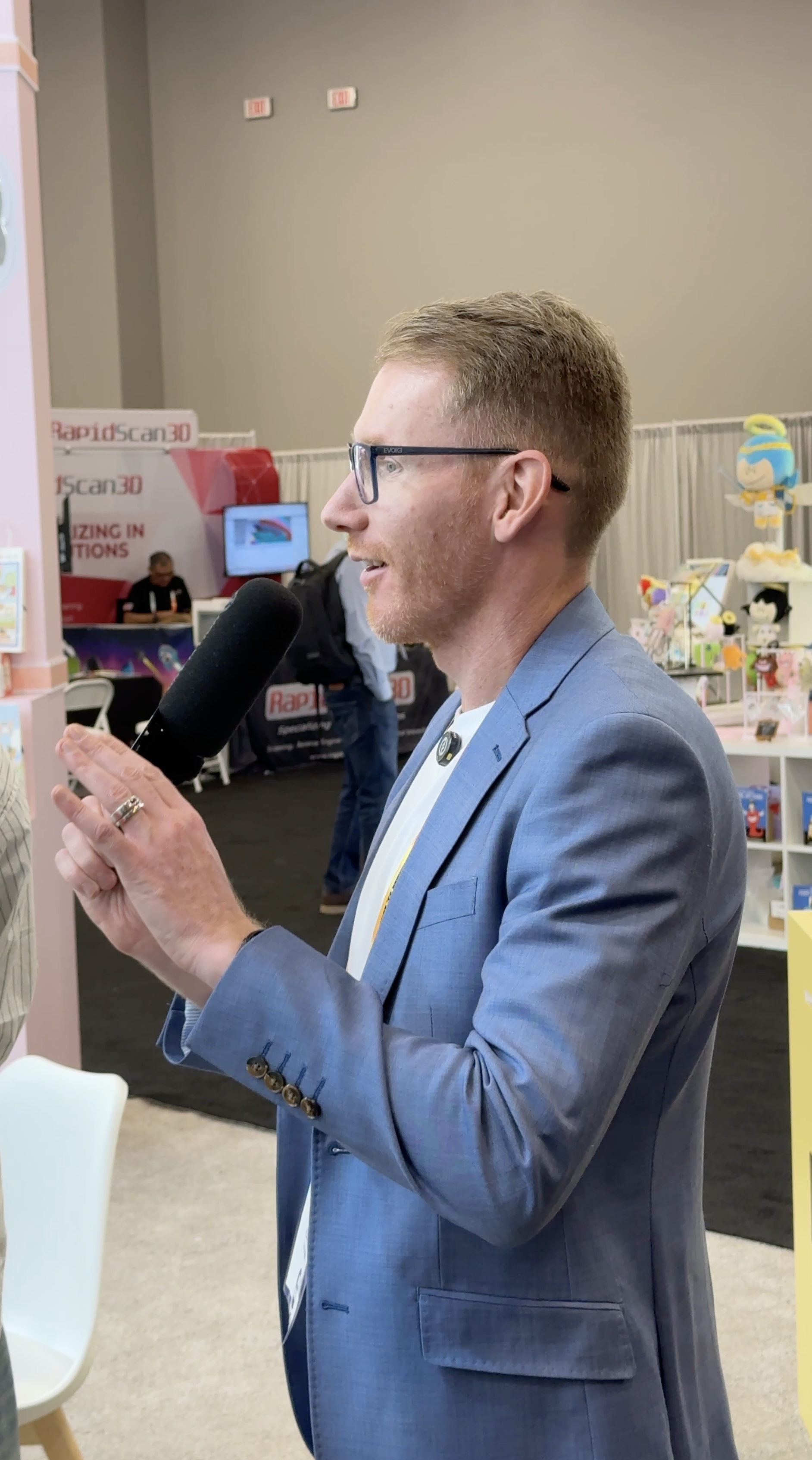
I made a deliberate point of getting off the main floor and into the booths of exhibitors I'd never encountered - particularly first-timers. What I found was a meaningful cross-section of where IP is coming from in 2026.
Capifun - a capybara-inspired lifestyle IP created by children's book author Helen H. Wu - had a full product range: apparel, stationery, footwear, games, and more. It's an example of an IP that started in publishing and expanded systematically into merchandise. The capybara as cultural phenomenon isn't accidental. It has a clear emotional identity - calm, friendly, universally likeable - and that translates directly into licensing categories. Helen understood her IP deeply and had built the portfolio to back it up.
Walter Mercado, represented by co-founder Theodore B. Gekis and Dr. Miguel Benet (the astrologer's great-nephew), was one of the most intriguing IP stories at the show. A television audience of 120 million people daily at peak, a Netflix documentary with 45 million views, a permanent display at the Smithsonian. Walter Mercado has reach, cultural authority, and a passionate community built around him. That's a licensing asset. The challenge - and opportunity - is that it's a heritage IP, which requires a different approach than a theatrical release or a new character brand.
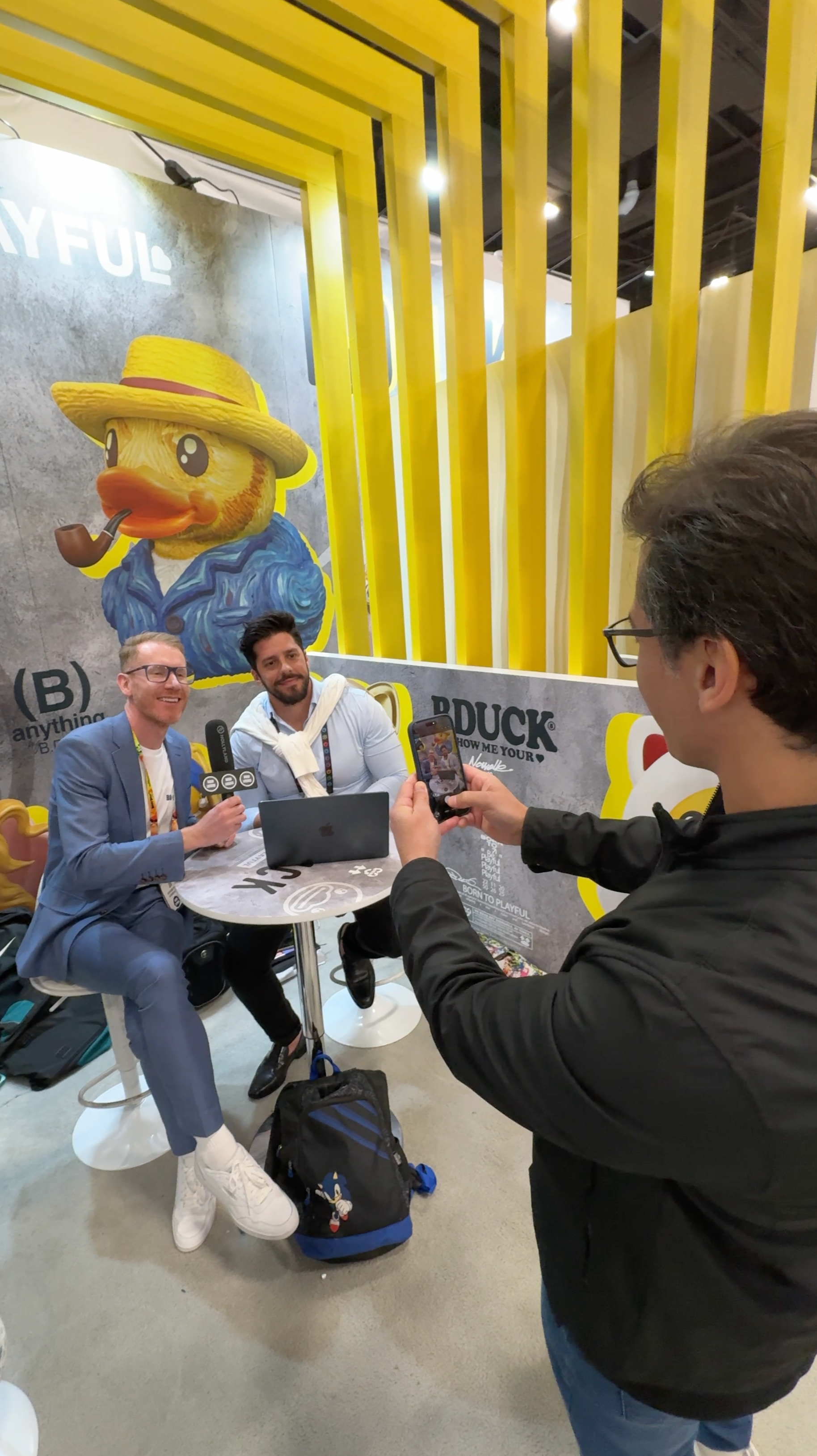
B.Duck, represented by ByFrog’s Rodrigo Dagnolo out of São Paulo, is the biggest brand in China, now growing into North America. Twenty years of brand equity, a clear lifestyle positioning, and deals being signed at the show. That's an IP that has proven its model in one market and is executing a deliberate international expansion. Worth watching.
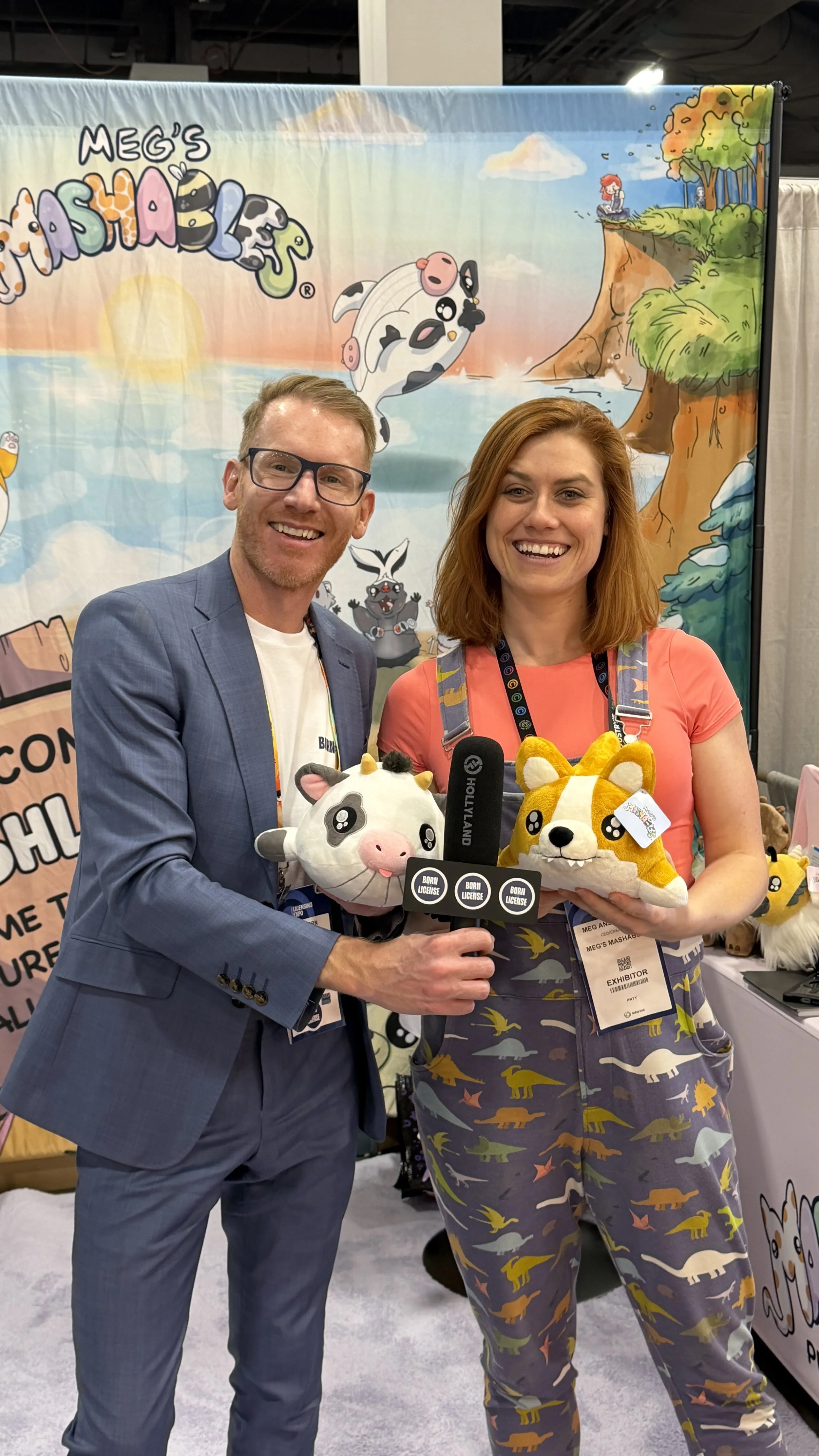
Meg's Mashables - animals fused together via a spinning wheel concept that started as pandemic content in 2020 - was one of the more unexpected exhibitors. Now a thriving business, exhibiting next to Warner Bros. Discovery. Meg's key learning from the week: listen to the professionals. Let people who've been doing this for 30 years tell you what they want. That's the right instinct.
Then there was Jet the Adventure Pup - a two-month-old brand, exhibiting for the first time. The founder, Alicia Rose, said the week had changed their business direction roughly ten times through conversations with industry professionals. That's not a warning sign - that's what Licensing Expo is supposed to do for early-stage IP. The feedback loop is immediate and high quality. Alicia is already working with animators to bring Jet to life and is signed up for next year.
Qizhongji from China, representing 28 IPs including Cutejoy and attending Licensing Expo for the first time, had a visually striking booth built in three months from a decision made in February. They run ten expos a year in Asia - which explains how they pulled it off. They're exploring cross-border collaborations and experiential activations. Another signal that the appetite for international IP at this show is significant.
What This Week Actually Means
There's something one exhibitor said that I keep returning to. Meg, the creator of Meg's Mashables, told me: "Especially in the world of technology, it's very hard to connect with people via email or cold calls. Being able to physically be in front of people and make eye contact and handshakes and just feel the immediate vibe of somebody is super important."
She said that in the same week I was on a panel talking about AI. I don't think that's a contradiction - I think it's the whole point.
The technology conversation is real and worth having. But licensing is, at its core, a relationship-first industry. The deals that get done in Vegas don't happen because someone sent the right email. They happen because someone flew in, set up a booth, took 25 meetings, and made eye contact with the right person at the right time.
see the play by play on instagram
LISTEN TO THE PODCAST
The Bottom Line
Licensing Expo 2026 gave me three things to take home. First, AI will change the mechanics of licensing - deal speed, royalty structures, IP identification - but it will not replace the relationships that make deals happen. Second, the appetite for licensing education is real and underserved. The number of people arriving on the floor without basic knowledge of how the industry works is a market signal. Third, the emerging IP landscape is genuinely diverse - from heritage cultural figures to pandemic-era content creators to Chinese lifestyle brands entering Western markets. The pipeline is interesting.
There's more to share from this week. The next post goes deeper on the hot takes and the lessons. But the headline from Vegas 2026 is this: the fundamentals of licensing - trust, relationships, and face-to-face time - are not being disrupted. They're being reaffirmed.
want to connect?
The Born Perspective is one part of a bigger conversation. If you want more, you can find me on LinkedIn for industry commentary, Instagram for what's happening day to day, and YouTube and the Born to License Podcast for deeper dives into the world of licensing. Pick your platform. I'll be there.
Explore the Born Collective
Everything I build connects back to licensing. Here's where to go depending on what you need: