The Licensing Story Nobody Is Telling About the Warner Bros. Deal
From fan to global licensing - David Born
Netflix just handed Paramount a $22 billion licensing empire. Here's what it means for everyone in the industry.
I released an emergency episode of the Born to License podcast this week.
But a podcast is built for speed. This is built for depth.
Because while the financial media is focused on streaming market share, breakup fees, and David Ellison’s audacity, I haven’t seen a single serious analysis of what this deal means for the licensing industry specifically. That’s a gap I intend to close.
So let’s go through it properly.
What Actually Happened
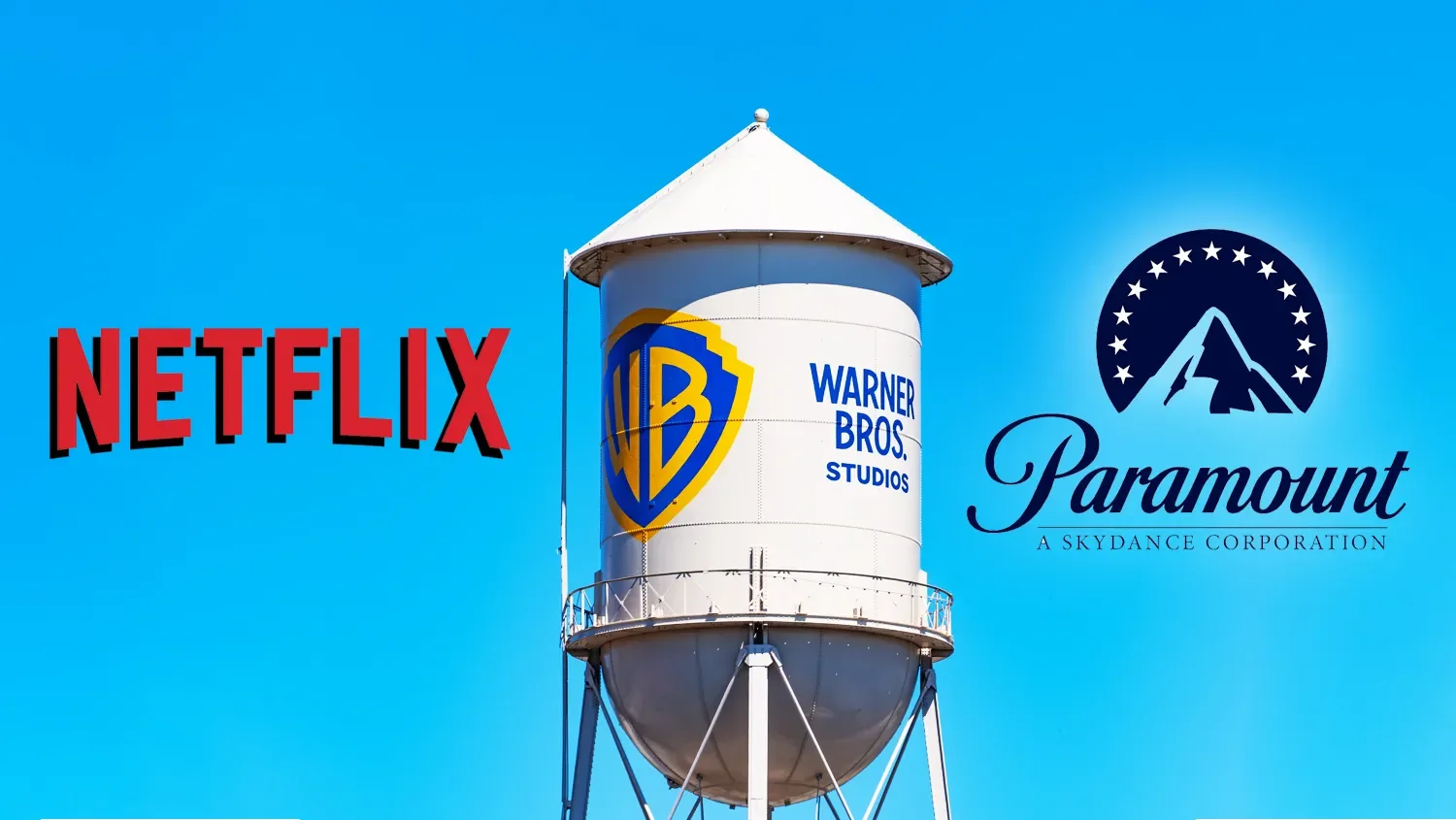
Netflix has walked away from its $82.7 billion bid to acquire Warner Bros. Discovery. Paramount — led by David Ellison’s Skydance — has won the bidding war, with WBD declaring Paramount’s offer “superior.”
Netflix isn’t exactly leaving in tears. They walk away with a $2.8 billion breakup fee and a stock price that jumped roughly 10% in after-hours trading. Their shareholders never wanted this deal, and they made that clear.
For licensing professionals, however, the Paramount win is the story. And it’s a big one.
The Scale of What will be Created
Let me put this in concrete terms, using License Global’s Top Global Licensors rankings as a benchmark.
Paramount currently sits at #12 globally, with an estimated $7 billion in retail sales. Warner Bros. Discovery sits at #6, with approximately $15 billion. Combined, you’re looking at a $22 billion licensing entity — which would make this new combined company the fourth largest licensor on the planet, leapfrogging both NBCUniversal and Mattel in a single transaction.
To put that in further context: Disney, the undisputed #1, generates an estimated $62 billion in retail licensing sales. So this new entity would still be roughly a third of Disney’s size — but it would be the clear #2 in entertainment licensing. Not close to #2. Definitively #2.
That matters strategically, competitively, and commercially in ways the industry hasn’t fully reckoned with yet.
What a Portfolio Deal Would Look Like
If you’re a licensee currently working with Paramount, your portfolio already looks impressive: SpongeBob SquarePants, Paw Patrol, Yellowstone, South Park, MTV, Nickelodeon properties. A genuinely powerful roster.
Now fold in Warner Bros. Discovery: Looney Tunes, DC Comics, Harry Potter, Scooby-Doo, Game of Thrones, White Lotus, HBO’s entire prestige catalog.
That is a combined property portfolio that starts to genuinely rival Disney’s depth. Not Disney’s scale — but Disney’s depth and breadth of cultural touchpoints across demographics, categories, and geographies.
The portfolio discussions alone — the cross-property bundling, the category exclusivity negotiations, the retail program architectures that become possible — represent a commercial opportunity that licensing professionals on both sides of the deal should be mapping out right now, even before regulatory approval is confirmed.
This Is Not a Done Deal
I want to be direct about this, because the media cycle tends to treat “preferred bid accepted” as a closing bell. It isn’t.
Warner Bros. Discovery shareholder approval is still required. Regulatory clearance is needed across the US and multiple territories. The California Attorney General has already signaled scrutiny. Senator Adam Schiff has called for review at the highest levels. NBCUniversal could still enter the picture. And realistically, we’re looking at up to a year before anything is final.
A lot happens in a year. I’ll be tracking everything that matters from a licensing perspective as this develops.
My Concern: The Brands That Get Left Behind
Here’s where I want to share a more personal view — one that doesn’t get discussed enough when consolidation deals are celebrated.
Both Paramount and Warner Bros. Discovery already have enormous portfolios. Hundreds of active properties. And the uncomfortable truth is that both companies are already struggling to give certain brands the attention they deserve, because resources inevitably flow toward the biggest revenue drivers.
SpongeBob. Harry Potter. Paw Patrol. DC. These will always be prioritized. They should be.
But what happens to Beavis and Butt-Head? To Ren & Stimpy? These are Paramount properties with genuine fan bases, real cultural resonance, and untapped licensing potential. When two massive licensing departments merge — and they will merge, in the name of efficiencies — these are the brands that risk being shelved indefinitely.
On the WBD side, I think about Yogi Bear. The Jetsons. Iconic properties with multigenerational recognition that may not survive the portfolio rationalization that follows consolidation.
The licensing industry has seen this pattern before. And I don’t think we talk about it honestly enough.
The Human Cost
Behind every deal announcement are real people.
There are brilliant, passionate licensing professionals at both Paramount and Warner Bros. Discovery — people who have spent their careers building these programs, developing these brands, and serving these licensees. If this deal closes, redundancies are coming. That is not speculation; it is the arithmetic of consolidation.
Those colleagues are on my mind. I’d encourage anyone in a position to support them — whether through introductions, references, or new opportunities — to do so actively when the time comes.
What Netflix Does Next — And Why It’s a Licensing Problem
Netflix’s motivation for pursuing WBD wasn’t just streaming content. It was IP ownership for licensing purposes. That’s the part most financial analysts are missing entirely.
Stranger Things is a cultural phenomenon. Bridgerton is a hit. But it does not have the kind of deep, multigenerational IP catalog that sustains a serious global licensing business. K-pop partnerships and original series, however successful on screen, do not build a licensing empire.
Netflix will almost certainly lean harder into its relationships with Sony and Universal in the wake of this deal. But here’s the structural challenge: a significant portion of the content Netflix licenses from those studios for streaming comes without licensing rights attached. The studio retains the IP, the merchandising rights, the category exclusivity. Netflix gets the eyeballs. Not the royalties.
This is the distinction that matters: streaming success and licensing success are not the same thing. Netflix built one of the most powerful streaming businesses in history while building a relatively modest licensing operation. Those are not the same track, and they don’t automatically converge.
Netflix’s long-term licensing ambitions just got significantly harder. That’s the story.
What to Watch
As this deal evolves, the questions I’ll be tracking from a licensing perspective:
How do the two licensing teams integrate — and who leads? The structural and cultural decisions made in the first 90 days post-close will determine whether this becomes a genuinely formidable licensing operation or a bureaucratic holding company for great IP.
Which properties get active investment and which get shelved? The portfolio rationalization will reveal the strategic priorities of the new leadership. Pay attention to what they don’t talk about.
How do existing licensee relationships get managed? Licensees currently working with either company on multi-year agreements will need clarity on contract continuity, approval structures, and territory management. The transition period is an opportunity for competitors to poach.
Does Netflix accelerate its own IP acquisition strategy? Having lost this bid, Netflix needs a Plan B for building a licensing-grade IP portfolio. Expect movement — whether through smaller acquisitions, deeper co-production deals, or aggressive original IP development with licensing built in from day one.
I covered the immediate reaction in depth on this week’s emergency episode of Born to License. Listen below — and if you found this analysis useful, share it with someone who should be paying attention to this story.
The Bottom Line
This deal - if it closes - doesn't just redraw the competitive map of entertainment licensing. It reveals something more fundamental about where the industry is heading. IP consolidation at this scale creates commercial power for the brands that make it through the merger, and structural risk for everything else. The winners will be the properties that were already winning. The casualties will be quieter — a beloved brand quietly deprioritized, a licensing program wound down without announcement, a team restructured out of existence. For licensees, agents, and brand owners watching from the outside, the lesson is this: concentration at the top of the market creates opportunity in the gaps. When two of the world's largest licensors spend the next twelve months navigating integration, their attention will be elsewhere. That is not a problem to worry about. That is a window to move through.
want to connect?
The Born Perspective is one part of a bigger conversation. If you want more, you can find me on LinkedIn for industry commentary, Instagram for what's happening day to day, and YouTube and the Born to License Podcast for deeper dives into the world of licensing. Pick your platform. I'll be there.
Explore the Born Collective
Everything I build connects back to licensing. Here's where to go depending on what you need: