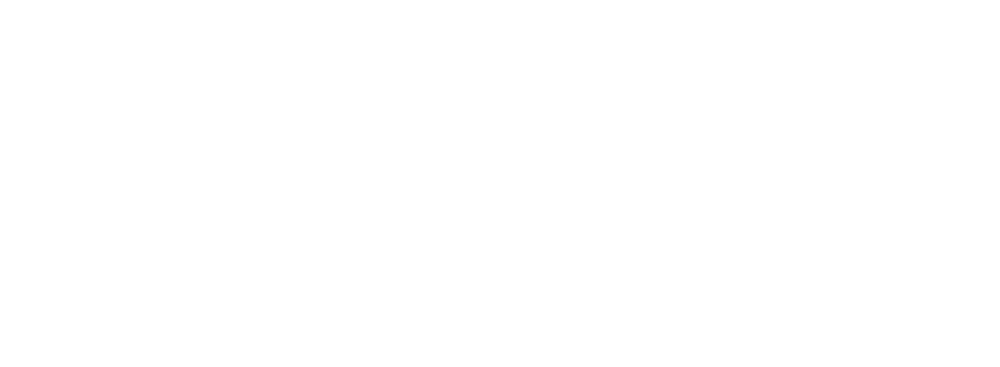
The Bluey Movie Will Be the Biggest Licensing Moment of 2027. Here's Why.
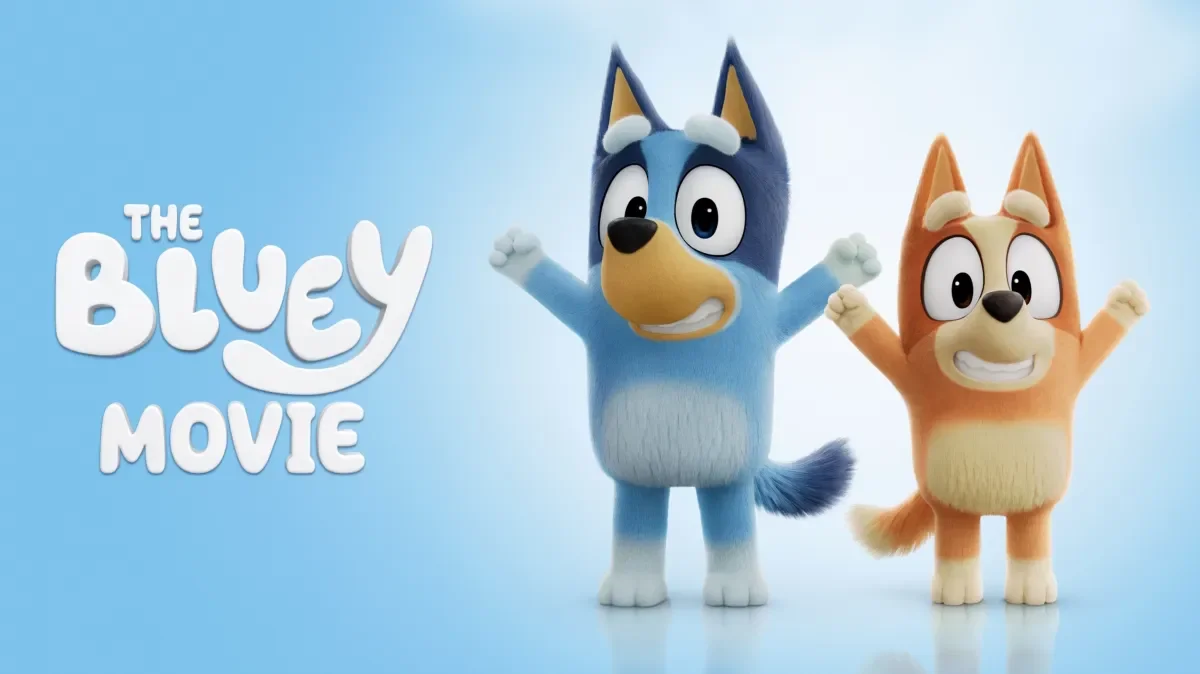
Above: The Bluey Movie will be the biggest licensing moment of 2027.
I’ll put this on the record now, twelve months out: Bluey will be the biggest licensing moment of 2027. Not the biggest kids’ property. Not the best-reviewed animated film. The biggest licensing moment, full stop - bigger than Shrek 5, bigger than Frozen 3, bigger than anything else on next year’s slate.
That’s not a small claim. Shrek 5 lands in June 2027 and Frozen 3 in November, and I wouldn’t bet against either of them commercially. Both are genuine contenders with built-in global audiences and decades of merchandising infrastructure behind them. But Bluey is already the number one preschool property in the US and one of the most watched shows in the world, full stop, adults included. Add a theatrical release on top of that, and you’re not looking at another release on a crowded slate. You’re looking at a different order of magnitude entirely.
I was following D23 closely this past weekend - Disney’s big fan event at the Anaheim Convention Center - and everything that came out of it confirmed the thesis. The first teaser for the Bluey movie dropped Friday: Bluey and Bingo playing keepy uppy with a red balloon, rendered in full 3D for the first time. Saturday brought the panel, moderated by Nancy Cartwright, with creator Joe Brumm and series director Richard Jeffery walking through the origin story and confirming the 3D switch was a deliberate creative call, not a format compromise. Fan reaction has been split - some calling the redesign gorgeous, others mourning the flat 2D style. I expect that noise to fade fast, the same way it did with Sonic. It’s not the story here.
The real story is structural, and it’s one most people in licensing - including plenty inside the industry - routinely get muddled: the difference between a preschool property that has to fight demographic churn for survival, and one that has already solved it.
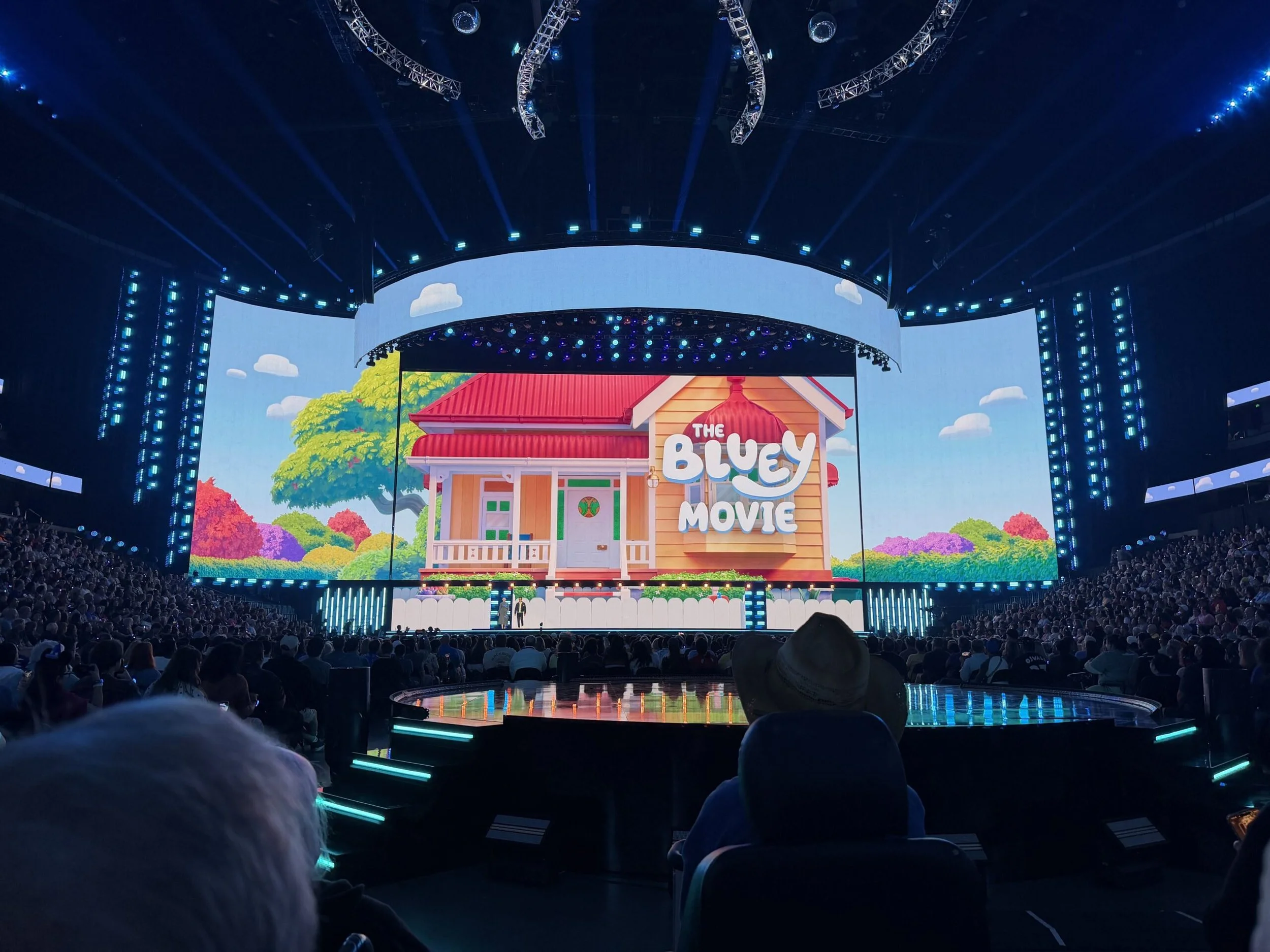
Above: The Bluey Movie at D23
Preschool licensing has a ceiling most brands never see coming
I put the core challenge to Michelle Ahern, who ran licensing for the Wiggles in Australia at the absolute height of their popularity. Her answer reframes the entire preschool category. A two-year-old ages out of a brand within two to four years, full stop - but the demographic itself is reborn every single year, with the exact same developmental needs it had a decade ago. What was age-appropriate for a two-year-old in 2005 is age-appropriate for a two-year-old in 2025. That’s not true of any other age bracket. A twelve-year-old’s taste shifts completely every few years; a toddler’s doesn’t shift at all.
That sounds like an advantage, and in one sense it is - the audience never disappears. But it’s also the trap. Most preschool programs get stuck rebuilding relevance from zero, forever, because they never give the audience a reason to stay past the age-out point. You win the two-to-four bracket and then start again.
Bluey never built for that ceiling. Go back to what Brumm said on the D23 panel: he doesn’t want a four-year-old in the cinema. He wants that kid’s older sibling, parents, and grandparents in the same row, loving the same film. That’s not aspirational marketing copy. Bluey has already proven it can do it — it’s a Peabody winner, it gets serious critical coverage from outlets like the Atlantic that don’t normally touch kids’ television, and it has a well-documented adult fanbase that keeps watching long after their own kids have aged out. It’s also been Disney+’s biggest kids’ title for two years running, and the most streamed show in the US across all of television for two years straight — not just in the kids’ category. That’s the number that should matter to anyone running a licensing program: an asset that keeps its buyer even after the original target consumer leaves.
That combination - the built-in structural durability of a franchise that has already cracked the churn problem, plus a theatrical release, plus Disney’s marketing and distribution weight behind it - is what pushes 2027 into a different category. Shrek and Frozen are proven franchises re-entering a market they already dominate. Bluey is a property converting years of streaming dominance into its very first theatrical moment, at the exact point its audience has grown wide enough to fill every seat in the row.
The deal structure is the part most coverage will miss
It’s worth being precise about who actually holds what here, because most people might assume Disney bought Bluey. It didn’t. BBC Studios owns and produces Bluey in partnership with Brisbane-based Ludo Studio. BBC Studios is financing the film and handling licensing globally. Disney’s role is distribution: Walt Disney Studios releases the film theatrically worldwide, and it moves to Disney+ afterward.
That’s a smart, low-risk way for Disney to get deeper into the Bluey business without owning the IP outright, and it works just as well for BBC Studios - global theatrical muscle and a world-class marketing machine, without giving up long-term ownership or licensing control. It also sets up a distinction worth being sharp about heading into next year: a licensing partnership and a theatrical partnership are not the same thing, even though they’ll both be running at full speed simultaneously come mid-2027. A licensing partnership is a manufacturer or retailer putting the IP on product in exchange for royalties - Moose Toys making Bluey playsets, Lego making Bluey Duplo. Long-term, category-specific, product-led. A theatrical partnership is a studio bringing on advertisers to help market the film itself — a car brand running a Bluey-branded commercial with a “coming soon, only in cinemas” tag. Expect a flood of both next year, and don’t confuse one for the other when you’re building a program around a theatrical tent pole.
There’s a cultural layer to this too, and I’ll admit it’s the part that hits closest to home for me. I’m Australian, and every time I hear that accent come out of Bluey, Bingo, or Bandit, it lands differently. My prediction is we’re about to see a generation of kids worldwide picking up an Australian accent the same way an earlier generation absorbed a British one from Peppa Pig. That’s not a small thing. It’s cultural export at the deepest level - not toys on a shelf, but how millions of kids learn to talk.
The Born to License team has its first-ever Bluey collection launching with a client soon, after years of working alongside brands like Spider-Man, Hello Kitty, SpongeBob, Stitch, and Batman. More on that when we can share it. But watch this space, and watch 2027 — because everything about the structure, the audience, and the timing points the same direction.
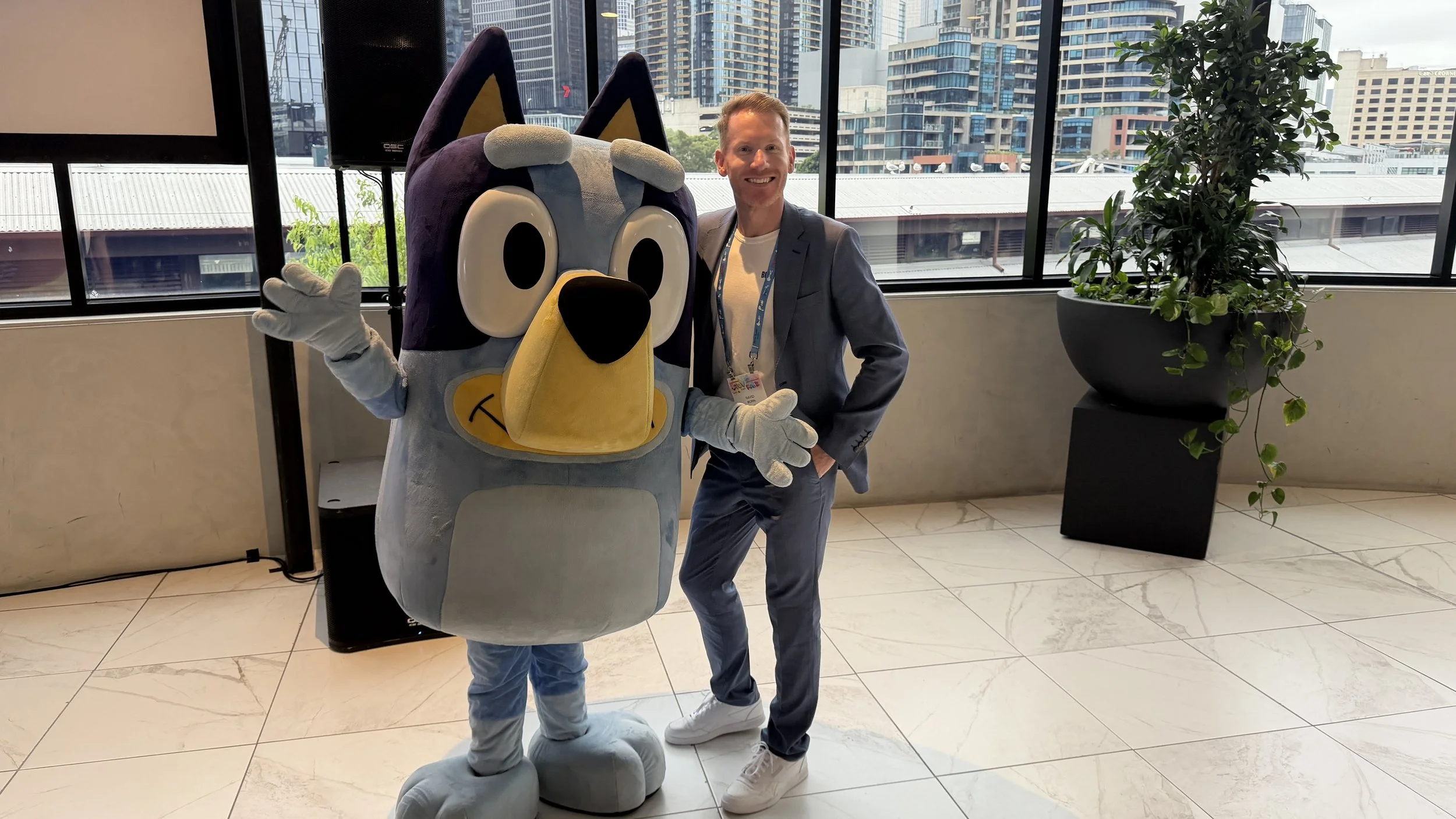
Above: Me hanging out with Bluey during Melbourne Toy Fair earlier this year
LIsten to the Podcast
The Bottom Line
Box office will decide who wins the weekend, but licensing decides who wins the year, and on that measure Bluey starts 2027 with a lead nobody else on the slate can match. It has already solved the one problem that kills most preschool brands, built an adult audience most kids’ properties never even attempt to win, and structured its biggest partner relationship in a way that lets Disney’s distribution muscle amplify the brand without diluting who actually controls it. Shrek 5 and Frozen 3 will do real business, and I’m not betting against either of them. But they’re proven franchises defending ground they already hold. Bluey is a property about to convert two years of total television dominance into its first theatrical moment, backed by a fanbase that spans four generations sitting in the same cinema row. That’s not a bigger movie. That’s a bigger license - and I’m putting it on the record now, twelve months before it happens.
want to connect?
The Born Perspective is one part of a bigger conversation. If you want more, you can find me on LinkedIn for industry commentary, Instagram for what's happening day to day, and YouTube and the Born to License Podcast for deeper dives into the world of licensing. Pick your platform. I'll be there.
Explore the Born Collective
Everything I build connects back to licensing. Here's where to go depending on what you need: