My Take on the 2026 Global Licensors Report
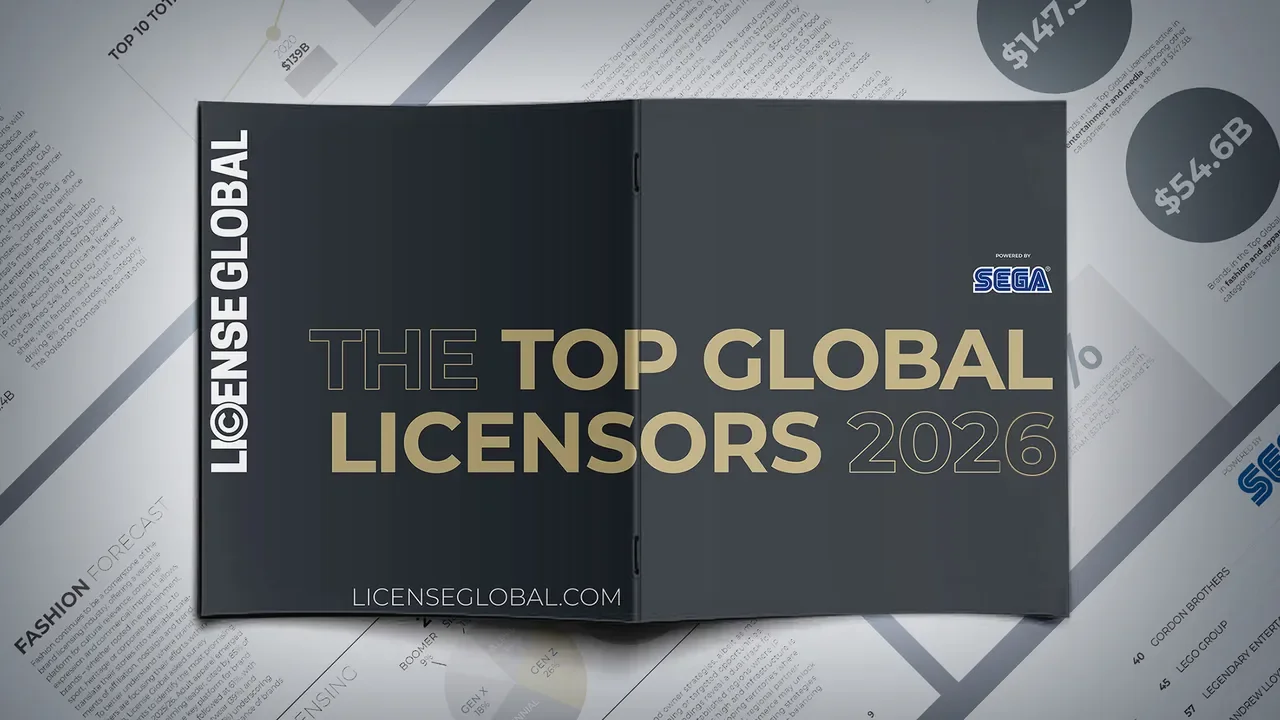
Above: License Global’s Top Global Licensor report for 2026 was released in late July
Disney is still the number one licensor on earth. $63 billion in retail sales, first place on License Global's 2026 Top Global Licensors report, same as every year anyone can remember. If you stopped reading there, you'd conclude Disney is running away with the industry.
You'd be wrong. Disney grew 2% this year. Almost everyone else in the top ten grew faster - several of them grew ten, fifteen, twenty times faster. That gap is the actual story in this year's report, and it's worth sitting with, because most people reading the rankings won't see it.
The Leaderboard Measures Scale. It Doesn't Measure Motion.
License Global's Top Global Licensors report ranks 94 brand owners by total retail sales of licensed product. It's the best benchmark the industry has, and I read it every year the way an operator should - not for who's biggest, but for who's moving and why. Rank tells you where a company has been. Growth rate tells you where it's going. Those are two different questions, and this year's numbers pull them apart cleanly.
Disney added $1 billion in licensed retail sales. Authentic Brands Group added $4 billion - the single largest dollar gain in the entire report - on the back of acquiring Dockers and taking a majority stake in Guess. The Pokémon Company International added $3.7 billion, up 31%, enough to leapfrog Warner Bros. Discovery into sixth place during a 30th-anniversary year built around Pokémon GO's tenth birthday and a genuinely relentless collaboration calendar. Sanrio added $3.3 billion, up 39%, knocking Mattel to 10th position.
None of those three companies have anything close to Disney's IP bench. What they have is a faster cycle time between “we own this character” and “this character is in the consumer's hands, again, in a new context.” That's the entire gap. It's not a content problem. It's an activation problem - the same one I dug into with Disney's own portfolio last week. This report is the data that backs it up.
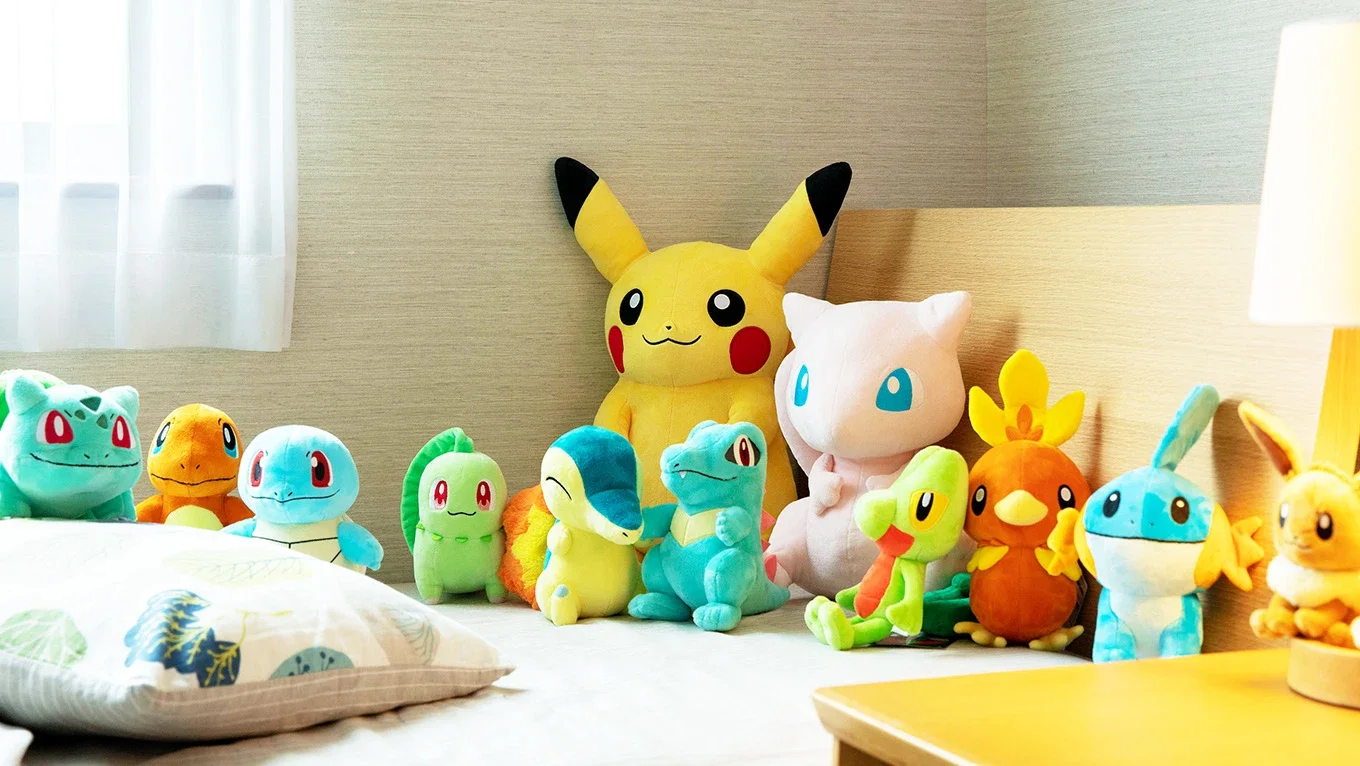
Above: The Pokémon Company International added $3.7 billion, up 31%, enough to leapfrog Warner Bros. Discovery into sixth place
What's Actually Driving the Fast Movers
Look at what the report itself flags as the growth engine for 2026 and you'll find it isn't new IP - it's always-on engagement. Brands turning fans into repeat participants instead of one-off buyers: drop culture, immersive pop-ups, direct community relationships, constant small collaborations rather than one big annual licensing push. Sanrio's strategy explicitly runs this way - Hello Kitty is showing up in sports partnerships, beauty collabs, and streetwear drops in the same year, not sequentially. Pokémon is doing the same thing across trading cards, fashion, museums and live events simultaneously.
Compare that to a portfolio the size of Disney's, where the IP is extraordinary but the velocity of activation doesn't match the size of the asset. That's not a criticism of the brands - it's a criticism of how the machine behind them is paced. A vault full of century-old IP is a balance sheet asset. It only becomes a licensing asset when someone is actively pulling it into new categories, new partners and new cultural moments on a constant cycle. Scale without velocity is potential energy. It looks impressive on a leaderboard and does nothing for you at retail.
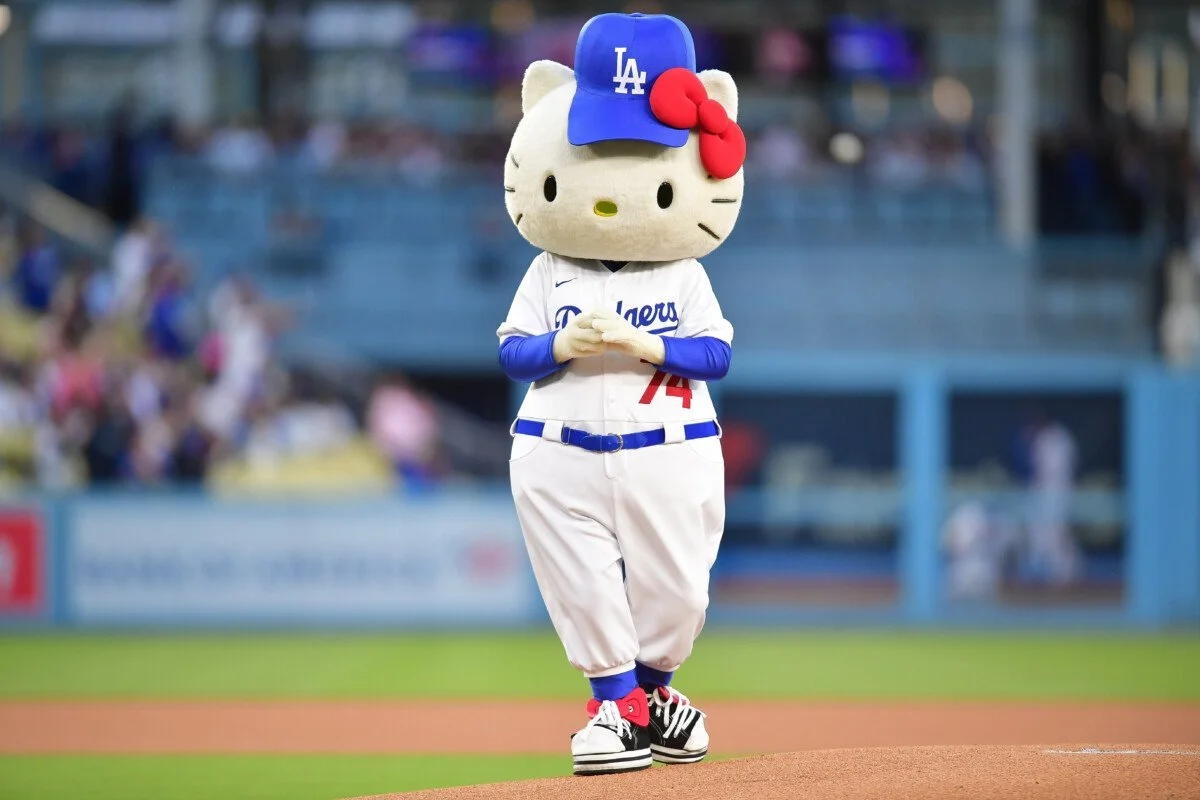
Above: Hello Kitty’s partnership with the Dodgers
The Fastest Growers, By Percentage
Total dollars tell you who's big. Percentage growth tells you who's about to be. This year's list is topped by a name most people in the industry still can't place: Libertas Brands, up 298% off the back of Fuggler, its cult plush IP. That's not a typo - a young company nearly quadrupled its retail sales in a single year on one plush character with a devoted collector base and a genuinely disciplined expansion strategy. It's the kind of number that gets dismissed as a rounding error because the base is small, and that's exactly the mistake to avoid. Small base, explosive percentage growth, single-IP focus - that's the profile of every brand that shows up in the top 10 by dollar value three years later.
Formula 1 isn't far behind at +264%, but that's a different story: a $798 million jump riding a genuinely enormous year - the highest-grossing sports film of all time, a 63% larger fan base than 2018, sold-out races across the board. That's growth built on cultural momentum compounding on itself, not a single licensing masterstroke.
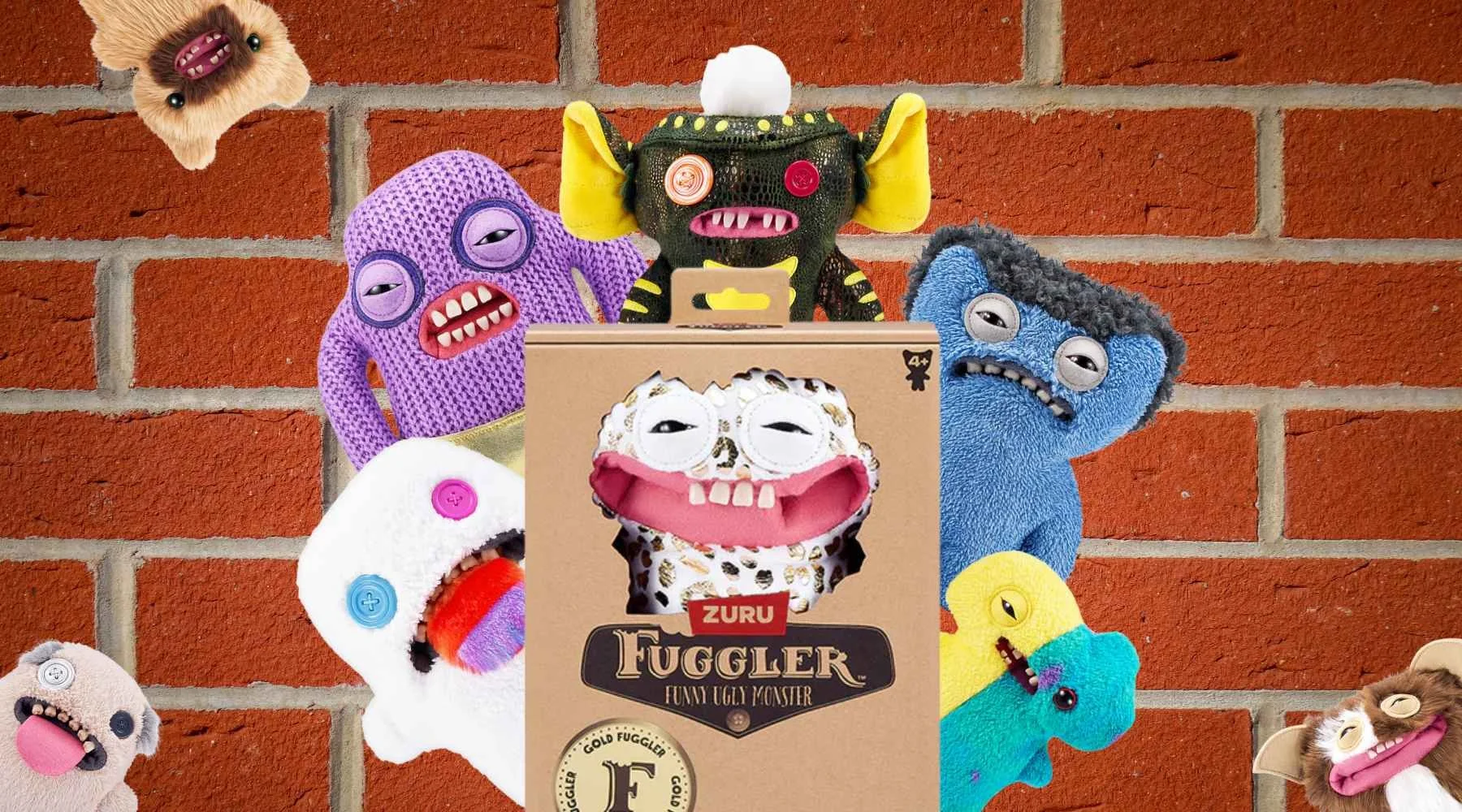
Above: Libertas Brands is up 298% off the back of Fuggler
The Food and Beverage Signal Nobody's Talking About Enough
Ten new brands entered the report this year. Four of them are food and beverage: TGI Fridays, The Magnum Ice Cream Company, Ocean Spray Cranberries and Bel. Add Mike's Hot Honey's 159% growth - a brand that didn't exist as a licensing story two years ago, now driving flavor extensions into chips, cheese, jerky and frozen pizza across twenty-plus retail partners - and you're looking at the fastest-forming new category in the entire report.
This is licensing doing exactly what it does best and gets credit for least: showing up everywhere without anyone clocking it as licensing. Nobody picking up an Ocean Spray-flavored drink mix or a Mike's Hot Honey bag of chips is thinking “this is a licensing deal.” They're just buying a product they trust in a format they didn't expect. That's the invisible industry problem in miniature, and it's exactly why F&B is worth watching closely over the next eighteen months - it's the category where licensing's actual mechanics are hardest to see and easiest to underestimate.
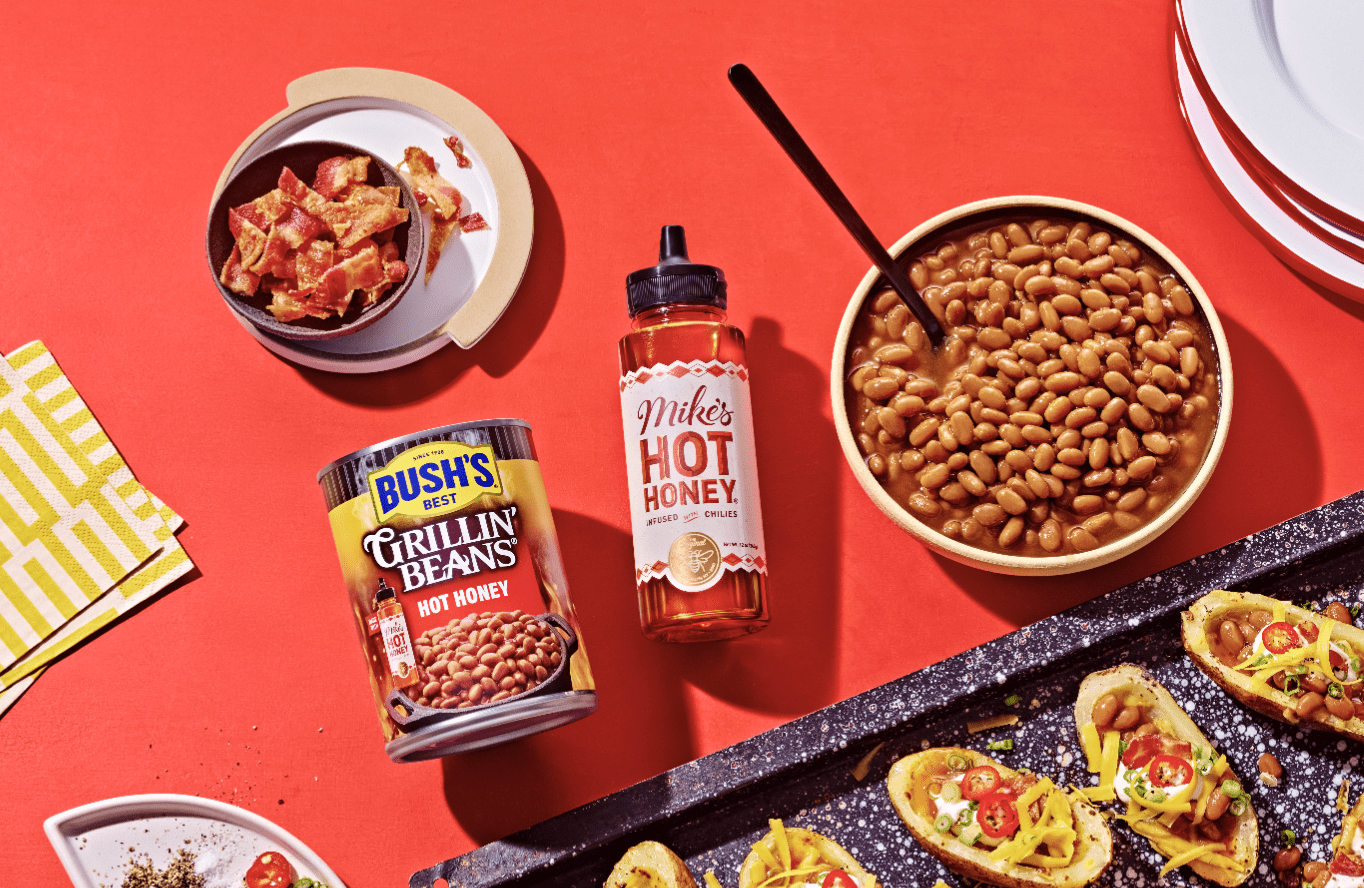
Above: Mike’s Hot Honey achieved 159% in growth in 2025
The Merger That Would Rewrite the Top Five
One more thing worth flagging before this goes stale: Paramount currently sits at number 12 with $7 billion. Warner Bros. Discovery sits at number 7 with $15.5 billion. If the widely reported Paramount–WBD merger closes, the combined entity lands around $22.5 billion - enough to leapfrog NBCUniversal and take fourth place outright, right behind People Inc. and ahead of everyone except Disney, Authentic and People Inc.
That's not a footnote. It's a reminder that this leaderboard isn't a static ranking of who built the best characters decades ago - it's a live scoreboard that M&A can reshuffle overnight. Authentic didn't grow to $36 billion by sitting on Marilyn Monroe and Muhammad Ali. It grew by buying Dockers and Guess this year alone. Bluestar Alliance grew 30% partly off acquiring Dickies. WHP Global is mid-acquisition on Lands' End and Marc Jacobs right now. If you're a brand owner watching this list and thinking about where you sit on it in three years, acquisition is as legitimate a growth lever as any licensing deal you'll sign.
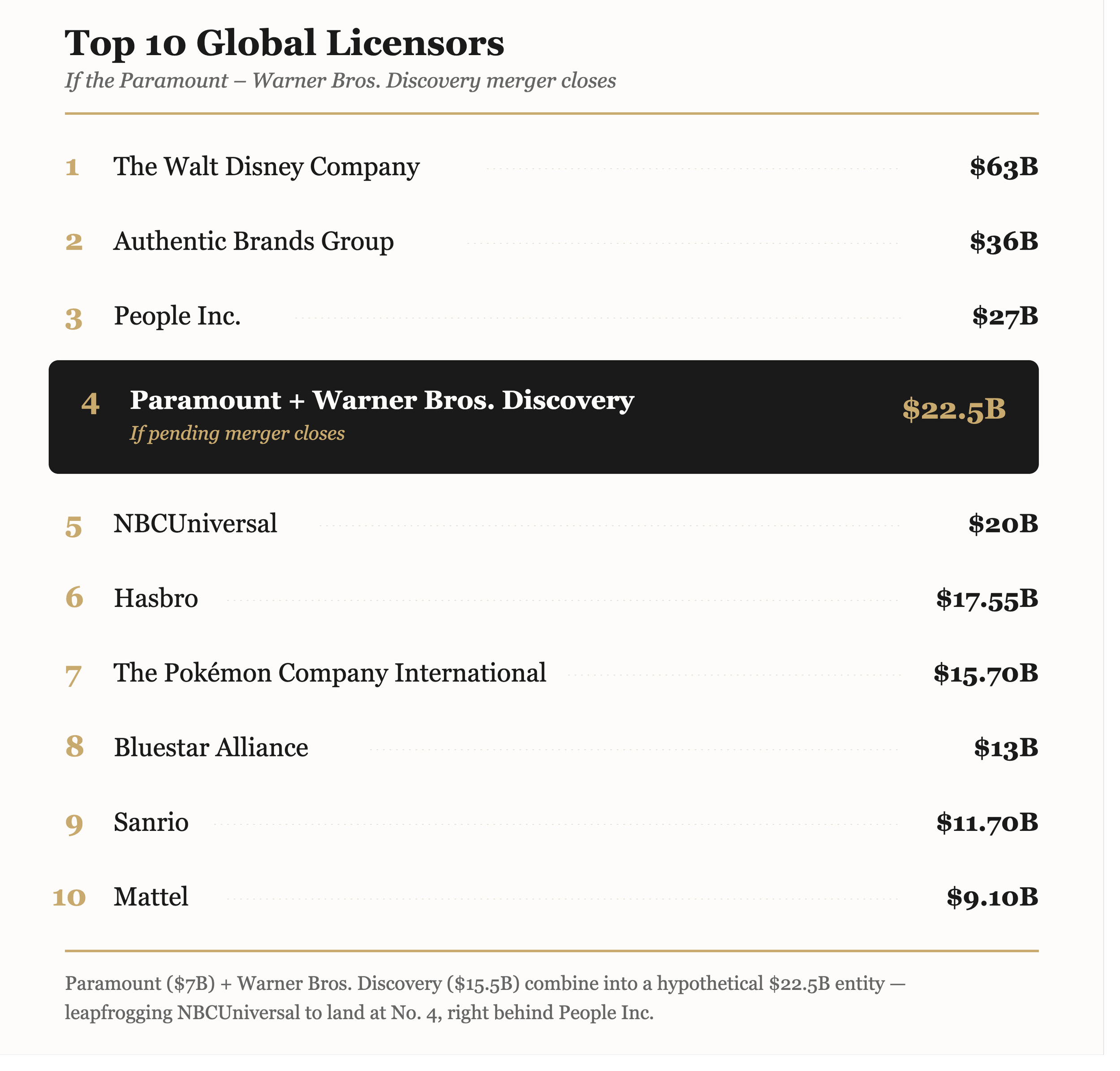
Above: the new Paramount + WBD entity would impact the Top 10 Global Licensors table.
LIsten to the Podcast
The Bottom Line
Rank on this report reflects legacy scale; growth rate reflects present-tense execution, and the two get conflated constantly. A smaller IP portfolio activated constantly will outgrow a massive one activated occasionally - that's the whole Pokémon and Sanrio story this year. F&B is where the next wave of “invisible” licensing wins will come from, worth watching regardless of what category you're in, because it shows how licensing scales fastest when nobody notices it's happening. And consolidation is a growth strategy now, not a last resort - the fastest-growing names on this list are buying their way up it as often as they're licensing their way up it.
want to connect?
The Born Perspective is one part of a bigger conversation. If you want more, you can find me on LinkedIn for industry commentary, Instagram for what's happening day to day, and YouTube and the Born to License Podcast for deeper dives into the world of licensing. Pick your platform. I'll be there.
Explore the Born Collective
Everything I build connects back to licensing. Here's where to go depending on what you need: