
My Takeaways From the 2026 Global Licensing Industry Study: Growth, Risk, and What's Next

Above: The 2026 Global Licensing Industry study was released in August 2026.
Licensing International just published its 11th annual Global Licensing Industry Study, and the headline number is the one everyone will quote: $389.8 billion in retail sales in 2025, up 5.45% from $369.6 billion the year before. I’ve read all 106 pages. The growth number is real and it matters, but it’s not the story. The story is what’s underneath it - which parts of this industry are genuinely durable, which are cyclical, and where the structure of the business itself is quietly getting riskier even as the topline looks healthy.
Here’s my read, broken into the three things that actually matter: the growth, the risk, and where I think this goes next.
The Growth: Licensing Outran a Bad Year
2025 was not a friendly operating environment. Tariffs, inflation, cost-of-living pressure, and a genuinely cost-conscious consumer should have been a drag on any discretionary category. Licensing grew anyway - and grew faster than the overall retail market, which the report calculates at 4.52% for the year. That 0.93-point gap is the entire argument for licensing as a strategic hedge, not a nice-to-have revenue line. When manufacturers ask me whether licensing is worth building out in an uncertain macro environment, this is the type of number I like to point to.
What surprised me inside that growth number was where it came from. Character/Entertainment is already the largest category in the industry at 41.5% share, and I expected a category that big to be showing its age against faster-growing sectors like Sports and Corporate Brands. Instead it grew 8.0% - above market - on the back of a stronger box office year and, more interestingly, a real handoff happening inside Entertainment itself. Anime, video games, and manga now make up 34% of Entertainment licensing revenue, nearly equal to the 33% held by the traditional trio of feature films, TV, and scripted content. Video game licensing alone grew north of 12.5%. That’s not a footnote - the global video game industry generated $225.7 billion in 2025, more than film and recorded music combined, and licensing is still catching up to what that audience is actually worth.
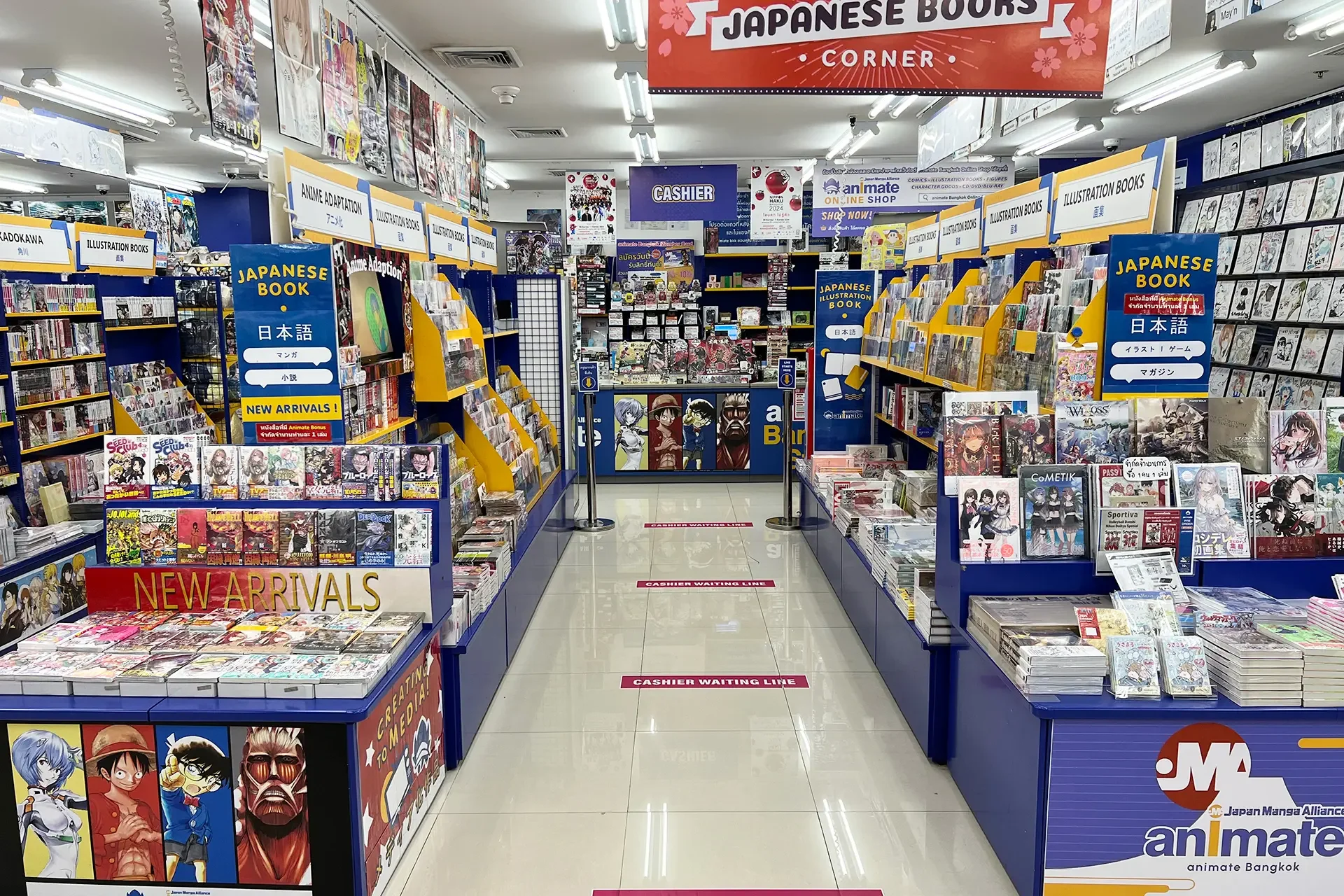
Above: Japanese retailer Animate focuses on anime, which along with video games and manga make up 34% of the entertainment category.
Sports had the highest growth of any property sector at 8.5%, which tracks with everything I’ve said on the podcast about fan engagement translating directly into royalty revenue when attendance and viewership are both up. Celebrity was the only sector to decline, down 4.6%. I don’t think that’s really about celebrities losing relevance - it’s about celebrities and their representation getting smarter about deal structure. Straight product licensing is a fixed, capped arrangement. Equity stakes in the businesses they’re endorsing are not. When a celebrity can trade the same influence for upside instead of a royalty rate, the economics tell them which one to choose, and the licensing industry’s numbers reflect that shift away from the traditional deal.

Above: In August 2026 Lily Collins signed on as the face of IM8 in exchange for equity.
The Risk: Consolidation Is the Part Nobody Wants to Talk About
I’ve been vocal about this for a while, and this report is another confirmation that my concern is warranted. Consolidation is happening on both sides of the table in licensing.
On the licensor side, studio consolidation - Amazon/MGM, Disney/Fox, Comcast/Universal, and now likely Skydance/Paramount/WBD) - has concentrated IP ownership into fewer, larger portfolios. At the same time, private-equity-backed brand management firms are rolling up corporate, fashion, and celebrity IP under single management structures. The report flags the obvious risk here: cookie-cutter licensing strategies applied across large, aggregated brand portfolios, and a real “logo slapping” problem, particularly in fashion categories where the brands being bought up were originally built by independent designers with their own heritage.
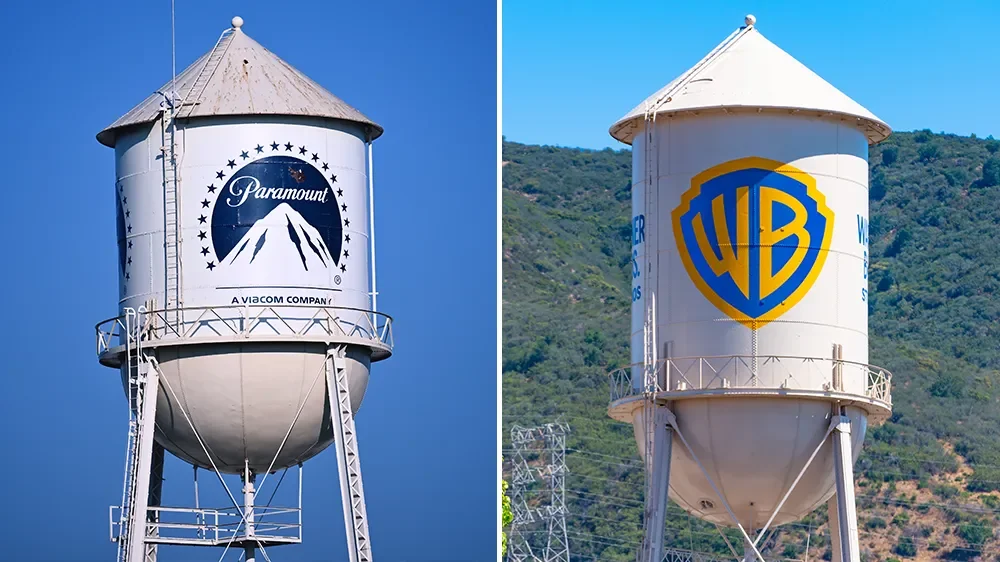
Above: Skydance’s merging if Paramount and WBD is a major consolidation for the licensing industry.
On the agency side, the same thing is happening, and it’s bad for brand owners. Licensing agencies are consolidating, and fewer agencies means less real choice for IP owners seeking representation.
The margin data backs this up from a different angle. Tariffs pushed licensee wholesale margins down in 2025, and royalty rates rose in response - from 8.92% to 9.22% - to protect absolute royalty dollars even as the revenue base licensees were paying on shrank. That’s licensors and licensees renegotiating who absorbs risk in real time. Expect more of that conversation in 2026, not less.
What’s Next: Betting on What’s Already Durable
The clearest signal in this entire report is the split between evergreen and new - though it's worth noting this comes from a survey question put directly to the 262 licensing firms who participated, not from the report's core sales data. Licensing professionals surveyed reported that 77.3% of Character/Entertainment revenue in 2025 came from evergreen properties, up from 76.5% the year before. Newly launched titles and characters accounted for just 19.9%. Self-reported or not, it's a consistent signal from the people actually doing these deals: in a risk-averse retail environment, buyers are opening shelf space for proven franchises first and everything else second.
That pattern lines up with who's actually spending, according to outside research the report cites. Nielsen data shows Baby Boomers control roughly 70% of U.S. disposable income, and yet only about 10% of brand marketing budgets are actually targeting that generation. That's not a small gap - it's a genuine strategic blind spot. If evergreen IP is outperforming because of a demographic with the wallet to prove it, and almost nobody is marketing to that demographic directly, there's real opportunity sitting in plain sight for licensors willing to build for it.
Two more forces - also drawn from third-party research cited in the report - are going to shape how licensed product actually reaches consumers in 2026. First, retail experience is no longer optional: a Mood Media study found 84% of U.S. shoppers and 78% globally cite an enjoyable in-store atmosphere as a real reason to choose brick-and-mortar over eCommerce, and 90% say they'll come back to a store that gets it right. That's an argument for licensed brands to invest in physical retail experience rather than cede it entirely to online convenience. Second, resale is now a direct competitor to new licensed product, not a side effect of it - a global resale report projects the secondhand apparel market alone at $257 billion in 2025, growing five times faster than new apparel retail. Licensors need to start treating the resale market as a channel to understand, but how can they make $$ off it? A question still to be explored.
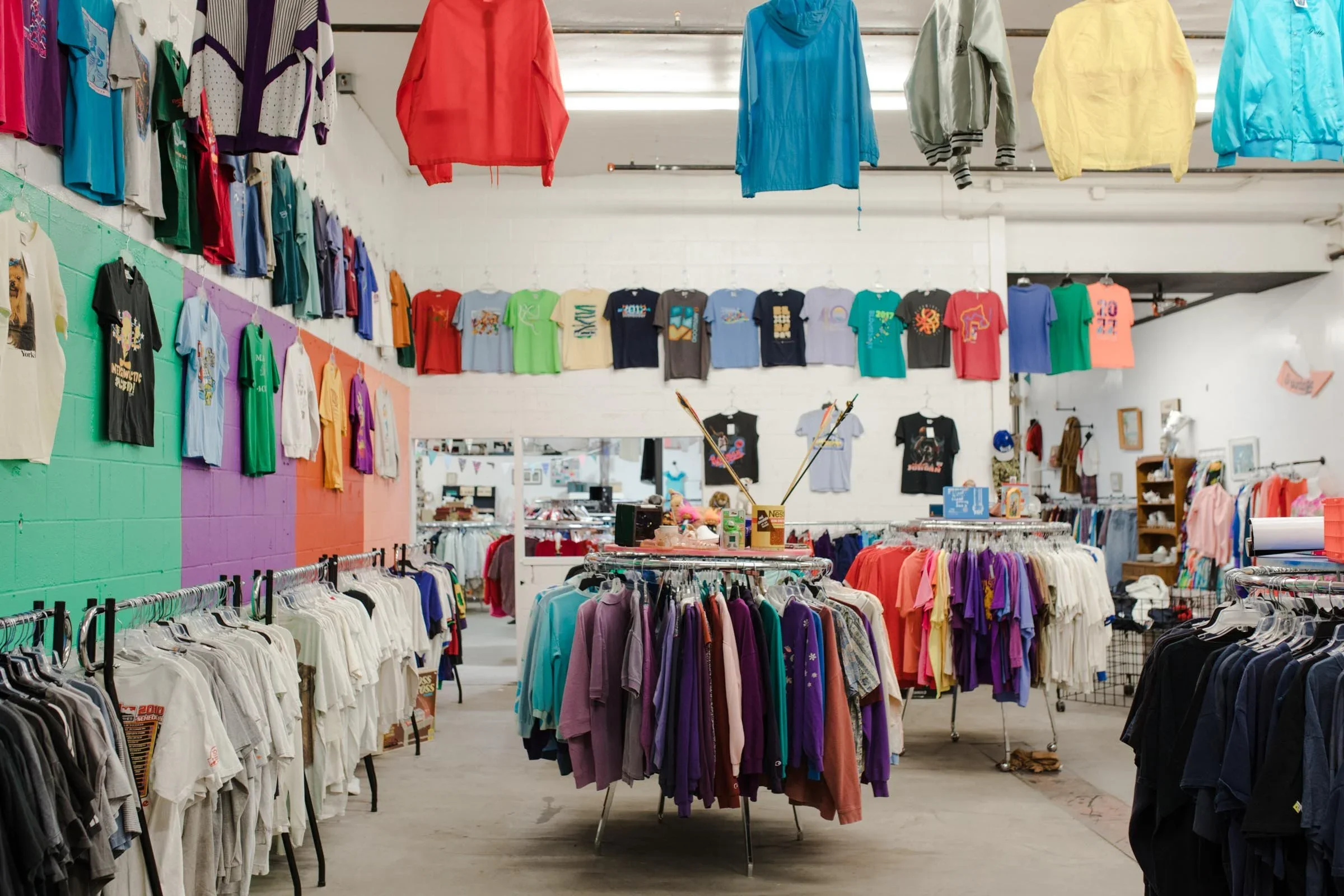
Above: Thrift stores and second hand stores are building in popularity.
And Food & Beverage keeps doing what I've been seeing in our own deals for two years running - this one is in the report's core sales data, not a survey opinion: above-market growth of 6.5% for the third consecutive year, driven largely by food-to-food brand extension - F&B corporate brands licensing their own names into new food and beverage products. If you're a corporate brand owner and you haven't taken a serious look at F&B-to-F&B licensing yet, this is the category telling you why you should.
Download the study
Access the full 2026 Global Licensing Industry Study here: https://www.licenseglobal.com/licensing-resources/the-global-licensing-industry-study-infographic-2026.
The Bottom Line
Licensing didn’t just survive a difficult year - it outgrew the broader retail market while absorbing tariffs, inflation, and a genuinely stressed consumer, and that alone should end any debate about whether licensing belongs in a brand’s core strategy rather than its side hustle. But growth and health aren’t the same thing, and this report makes clear that the industry is consolidating on both the licensor and agency side fast enough to quietly erode the optionality and competitive tension that made licensing work in the first place. The winners in 2026 will be the ones who treat evergreen IP, underserved demographics, physical retail experience, and categories like Food & Beverage as deliberate strategic bets - and who read consolidation not as background noise, but as the risk that determines who they can actually do business with five years from now.
want to connect?
The Born Perspective is one part of a bigger conversation. If you want more, you can find me on LinkedIn for industry commentary, Instagram for what's happening day to day, and YouTube and the Born to License Podcast for deeper dives into the world of licensing. Pick your platform. I'll be there.
Explore the Born Collective
Everything I build connects back to licensing. Here's where to go depending on what you need: