Disney Owns the Most Valuable Licensing Vault on Earth. It's Not Fully Activated.
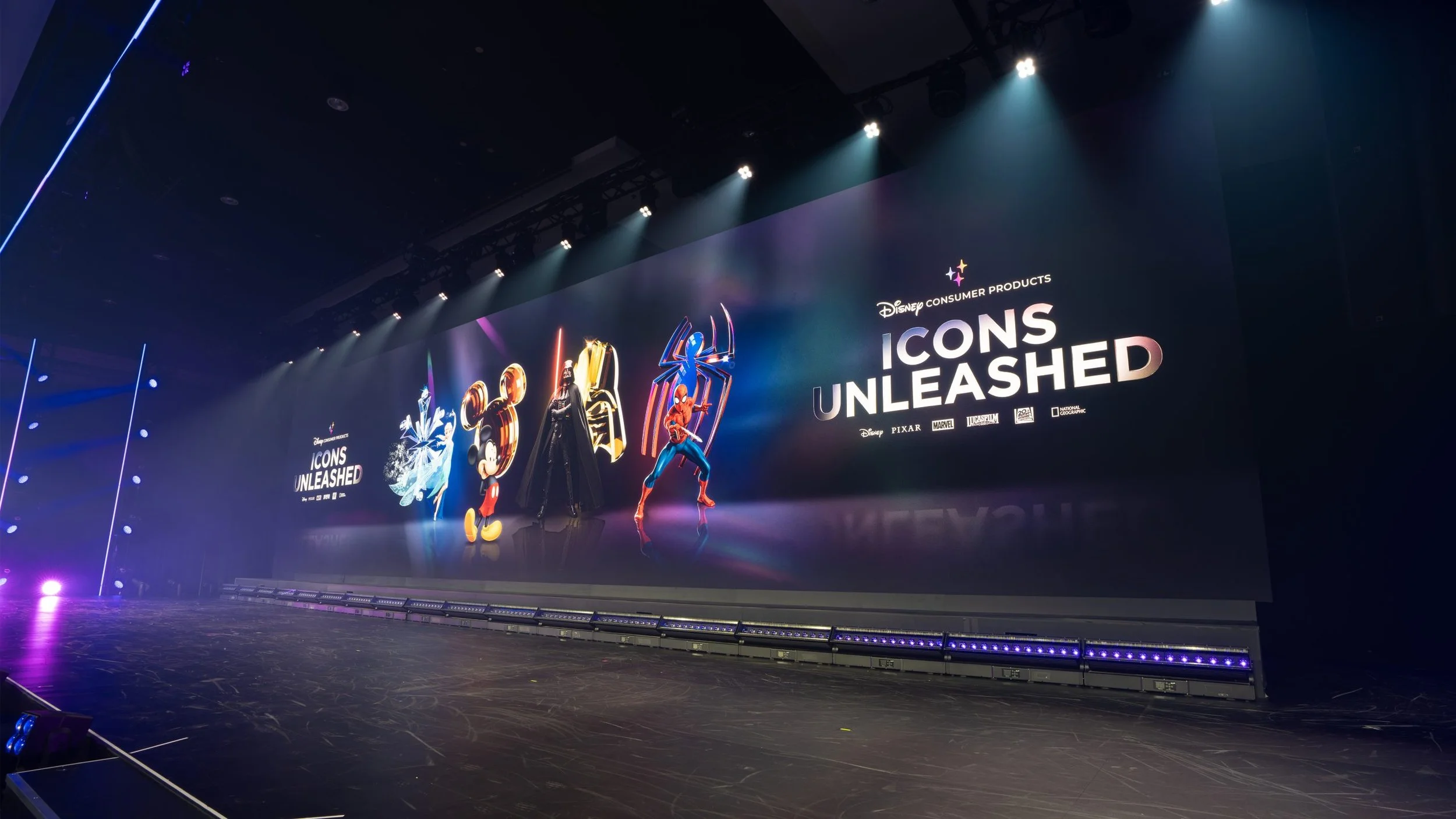
Above: Disney’s ‘Icons Unleashed’ at Licensing Expo 2026
A few weeks ago, a LEGO set built around Fox Mulder’s office turned up on my feed - eight minifigures, a UFO hovering over a desk, a short film with Gillian Anderson. It’s exactly the kind of product that reminds you why the old Fox catalog was worth $71.3 billion to begin with. Simpsons, Futurama, Family Guy, The X-Files, Modern Family, Homeland, Glee - a library most licensors would kill for.
Here’s the detail that matters more than the product itself: Disney didn’t go looking for it. The set started as a fan submission on the LEGO Ideas platform, got refined and resubmitted, and eventually won enough public votes to get made. Disney’s role was to say yes. The initiative came from outside its own building.
That’s a small data point, but it points at something bigger about how the largest licensor on the planet is actually running its business - and it’s worth sitting with if you’re the one deciding what happens to the assets you already own.
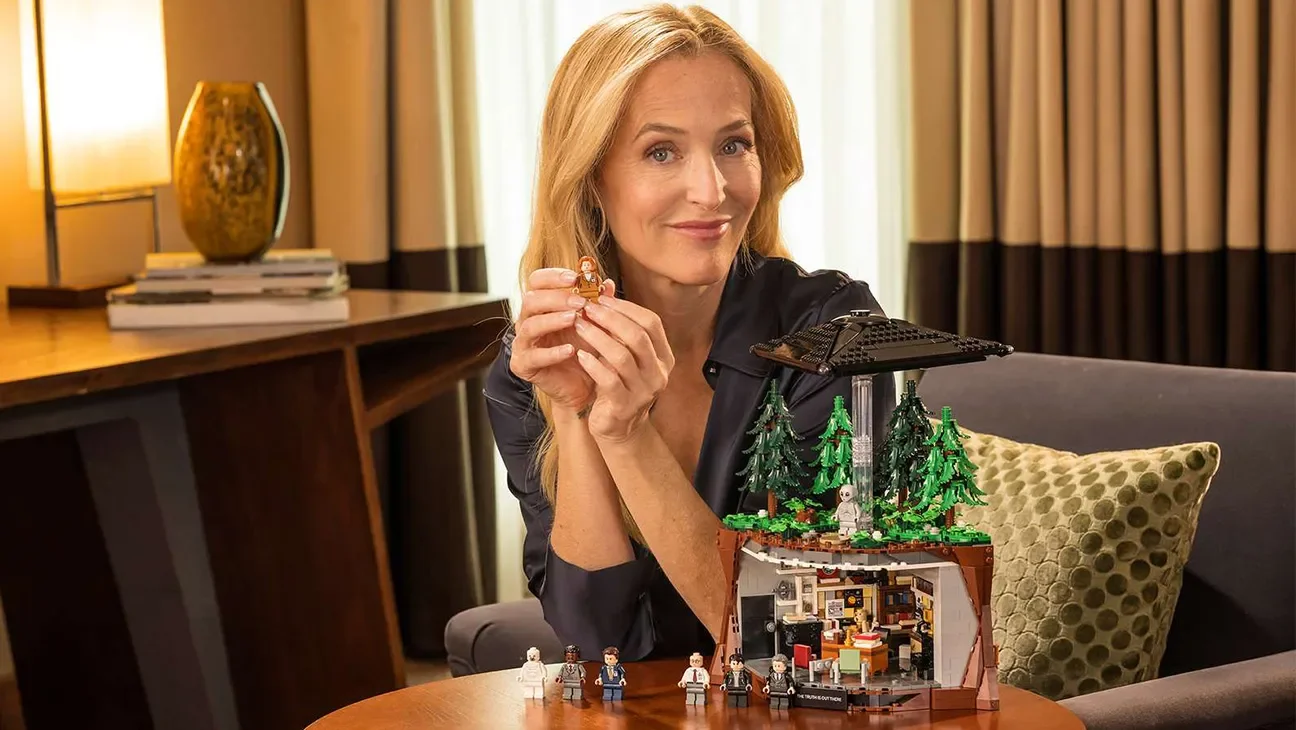
Above: Gillian Anderson (Skully) and the new X-Files themed Lego collection
Scale Is Not the Same Thing as Activation
Every year at Licensing Expo, Disney puts on a show of force. This year it was “Icons Unleashed” - Disney, Pixar, Marvel, and Star Wars on one stage together for the first time, with the Fox legacy titles, National Geographic, and a growing sports and lifestyle business stacked on top. On paper, nobody else in the industry is close.
But size is not the same thing as leverage. A library is not a strategy. And the more interesting story this year isn’t the size of the portfolio - it’s the gap between what Disney is actively building programs around and what’s sitting untouched next to it.
Look at what Disney chose to build infrastructure around this year. The Kraft Heinz deal is the clearest example: ten Kraft Heinz brands - Heinz, Philadelphia, Kraft Mac & Cheese among them - are being folded into the food experience across Walt Disney World, Disneyland, and Disney Cruise Line, with the alliance reaching into Disney’s film, TV, and streaming content as well. That’s not a licensing product. That’s a long-term alliance spanning food service, media, and events - licensing evolving into something closer to shared brand infrastructure than a royalty check.
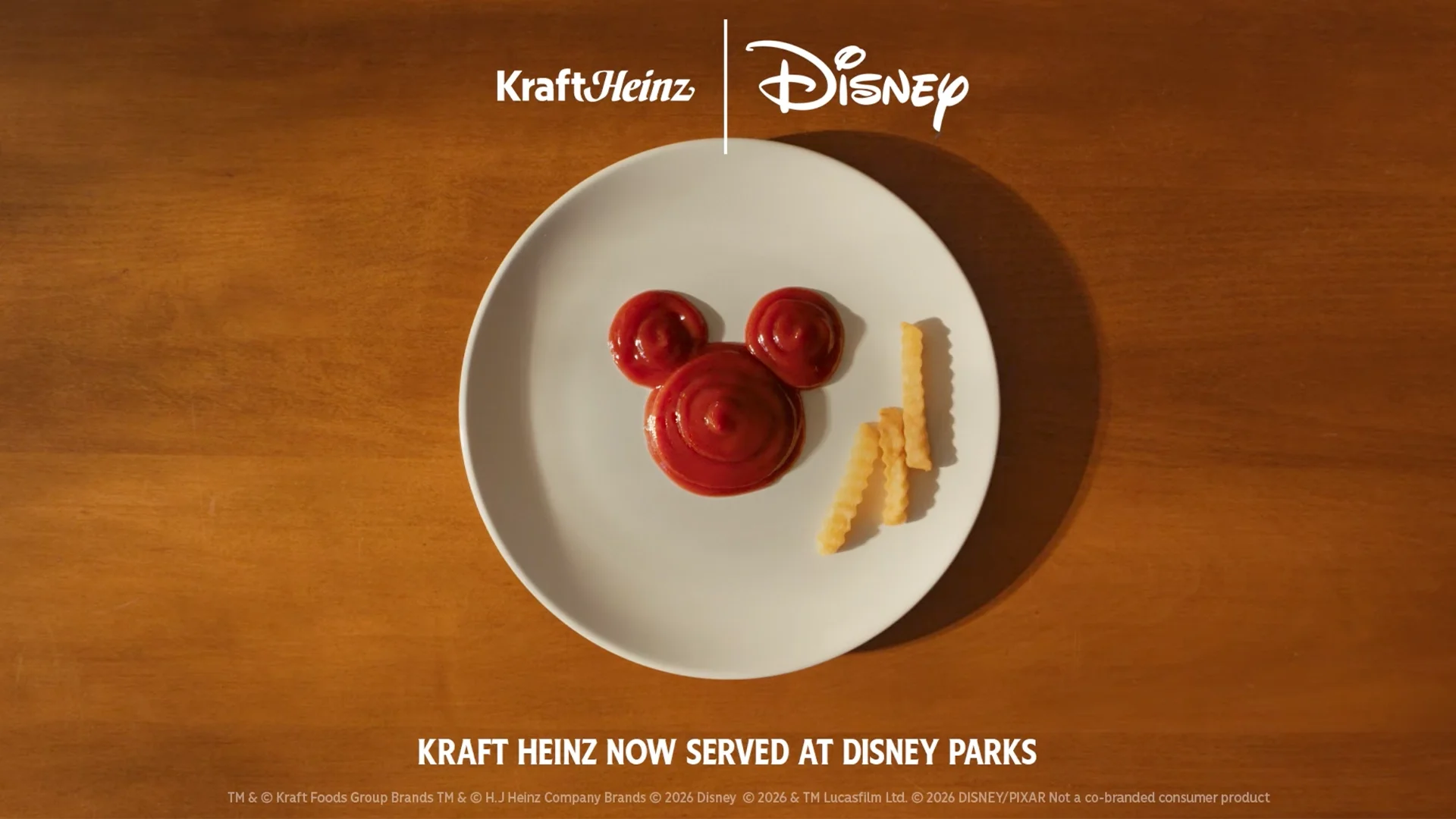
Above: Disney and Kraft Heinz have signed a strategic corporate alliance.
Compare that to the sports crossovers: Champion and the NFL pairing all 32 teams with Disney, Marvel, Pixar, and Star Wars characters, revealed through a live fan draft at Fanatics Fest. Minnie and Daisy joining F1 Academy. Mickey headlining an original Formula 1 comic series. Different audiences, same logic - insert the characters into fandoms that have nothing to do with animation, and let the built-in equity do the work.
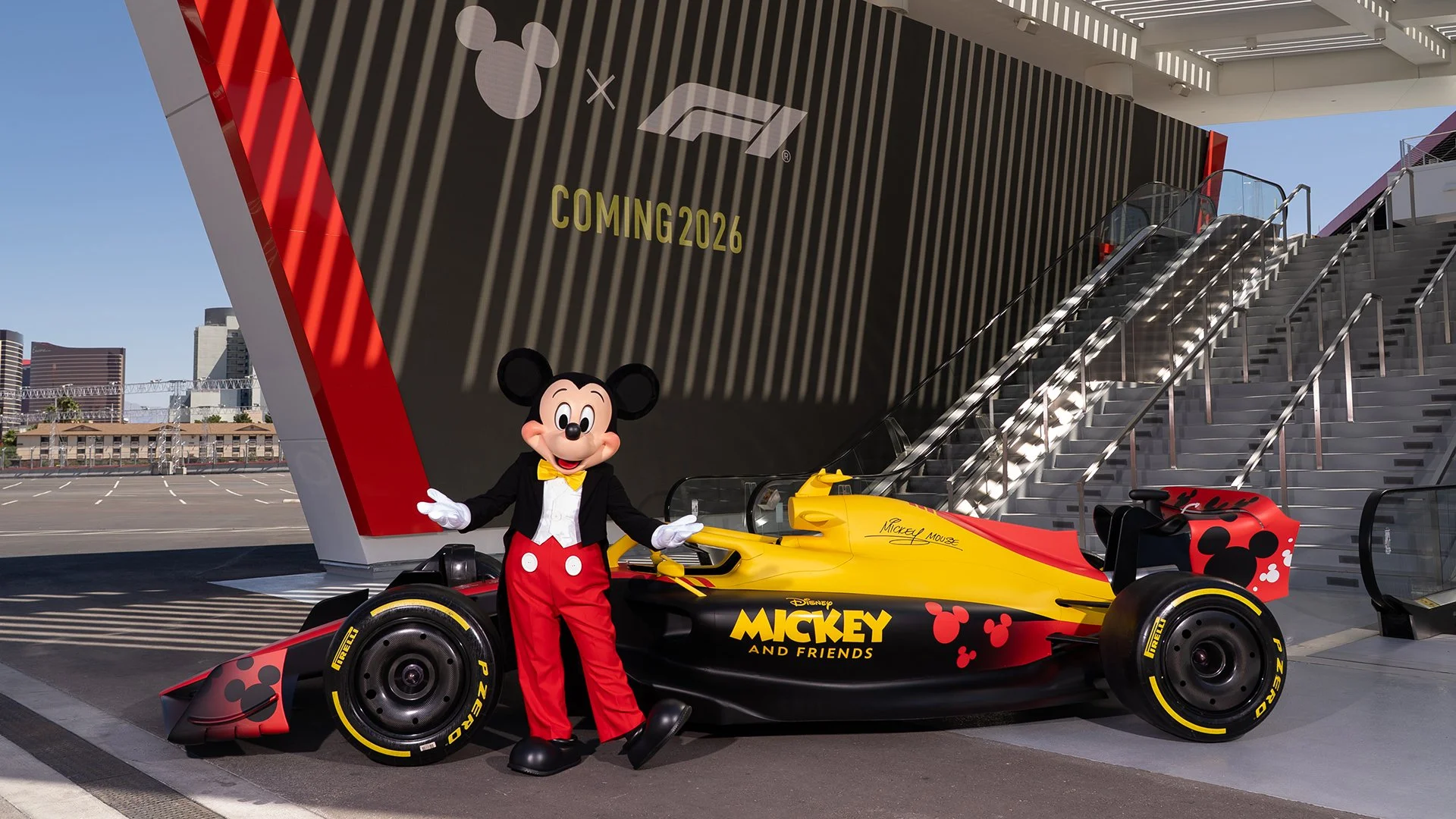
Above: Disney’s Mickey Mouse promoting the F1 partnership.
Every one of these moves is deliberate, well-resourced, and built to compound. None of them, from what I see, touch the Fox catalog.
The Antitrust Angle Is Really a Licensing Argument
There’s a reason the Disney-Fox acquisition keeps resurfacing in a completely different fight. The lawsuit trying to block the Paramount–Warner Bros. Discovery merger points to what happened after Disney absorbed Fox in 2019 as the cautionary tale - fewer films, thinner competition. The Writers Guild’s own suit goes further, arguing Fox’s identity got absorbed entirely into Disney’s priorities, with little room left for the kind of mid-budget original storytelling Fox used to greenlight.
Whatever you think of the antitrust merits, the underlying claim is a licensing and brand-management claim: that acquiring a portfolio and running it as a farm team for your existing pillars isn’t the same as operating it as its own asset base. Critics are arguing Disney absorbed the IP and shelved the identity. One well-received LEGO set doesn’t settle that argument either way - but it’s a useful reminder that there’s still real value sitting in that vault, and that value only gets proven when someone outside the building goes looking for it.
What This Actually Means If You Own IP
Most brand owners will never operate at Disney’s scale, and that’s exactly why this is worth paying attention to. If the biggest, best-resourced licensor in the world can accumulate an estimated $250 billion portfolio and still leave chunks of it dormant for years, the lesson isn’t about Disney specifically. It’s about what happens by default when an organization has more IP than it has bandwidth, attention, or imagination to activate.
Owning an asset and operating an asset are two different disciplines, and most organizations only budget for the first one. Activation takes a program: someone whose job is to look at the dormant parts of the portfolio and ask what a partner, a platform, or a fan community could do with them - rather than waiting for the market to make that case on its own. Disney has the Golden Girls pop-up restaurant touring US cities, run through Bucket Listers, turning a show that’s been off air for decades into drag brunches and trivia nights that keep finding new audiences through Hulu. That’s the activation model working. It’s also the exception, not the operating default, for everything sitting in the Fox library.
If you’re sitting on IP - a character, a franchise, a brand your company acquired five years ago and hasn’t touched since - the Disney-Fox situation is your case study, not because you’ll ever have their scale, but because you have the same failure mode available to you at a smaller size. Dormant IP doesn’t lose value quietly. It sits there until someone else - a fan, a competitor, a regulator - notices it and asks why nobody built anything on it.
listen to the podcast
The Bottom Line
Disney will keep expanding the parts of its business it already knows how to run - the tentpoles, the theme park tie-ins, the flagship franchises building toward Mickey’s 100th anniversary in 2028. That’s not a criticism; it’s rational capital allocation. But “most formidable licensing machine on the planet” and “fully activated portfolio” are not the same claim, and the gap between them is where the real opportunity - and the real risk - sits. Whether that gap closes with Fox, or whether it takes another fan, another lawsuit, or another decade to force the question, is the thing actually worth watching. Every brand owner has their own version of that vault. The only real question is whether you go looking for it first.
want to connect?
The Born Perspective is one part of a bigger conversation. If you want more, you can find me on LinkedIn for industry commentary, Instagram for what's happening day to day, and YouTube and the Born to License Podcast for deeper dives into the world of licensing. Pick your platform. I'll be there.
Explore the Born Collective
Everything I build connects back to licensing. Here's where to go depending on what you need: