
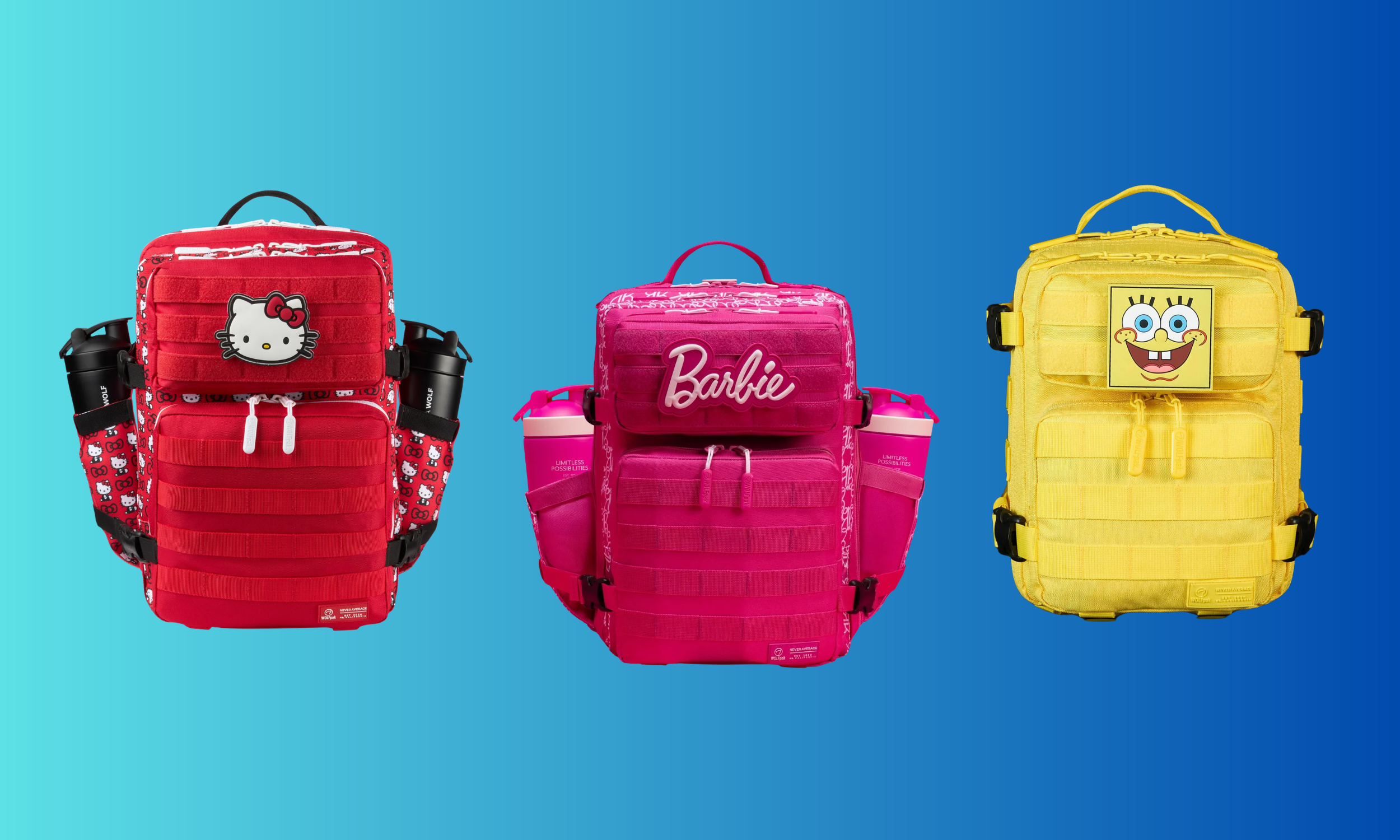
Above: WOLFpak’s licensed Hello Kitty, Barbie and SpongeBob products.
E-commerce and licensing didn’t use to have much to do with each other. Now they’re hard to separate. According to Licensing International’s 2026 Global Licensing Industry Study, online channels account for 32% of licensed retail sales worldwide, and 39% in the US and Canada.
That isn’t a coincidence, and it isn’t a fad. Through my business Born to License, I’ve spoken with hundreds of e-commerce companies selling backpacks, jewelry, kids’ products, stationery, cosplay apparel, cosmetics, food and beverage. Some do hundreds of millions of dollars a year, and some are just starting out. They operate in different categories at different price points for different customers, and they keep describing the same problems.
Licensing has become relevant to e-commerce because it addresses several of those problems at once. Not all of them, and not for everyone. But few other levers move this many at the same time.
The Squeeze Nobody Escapes
Start with what e-commerce founders already know. eComFuel’s 2026 Trends Report, a survey of 300 store owners representing around $3.5 billion in revenue, found that 97% of stores now use paid traffic. Advertising has stopped being a growth strategy. It’s now just the cost of existing.
The same report contains the most uncomfortable statistic in e-commerce right now. Gross margins reached 49.5%, the highest since eComFuel started tracking in 2017. Net margins fell to 10.6%, the lowest on record. The gap between them is the widest it has ever been. Brands are making more on every product and keeping less of it, with overhead, operational complexity and tariffs taking the rest. Respondents said they absorbed 58% of tariff costs themselves rather than passing them on.
Then there’s the noise. Millions of online stores are competing for the same attention. Customers can’t touch the product before they buy it. And if something works, a copy will often appear within months, sometimes within weeks.
Founders aren’t facing one big problem. They’re facing three or four smaller ones that stack up: the cost of attention, the erosion of margin, the difficulty of standing out and the speed of imitation.
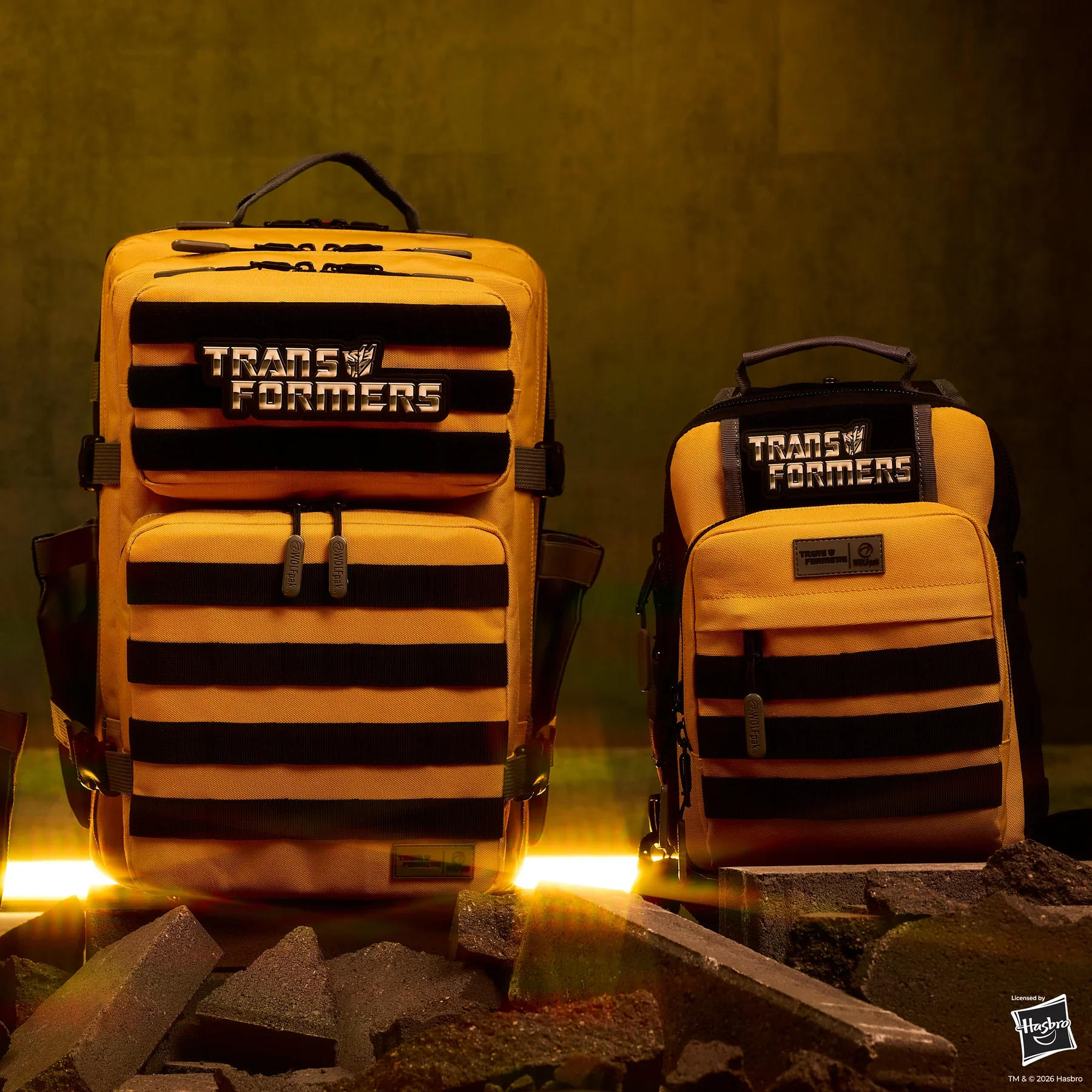
Above: From WOLFpak’s licensed Transformers range
What Founders Are Already Reaching For
The same eComFuel survey reveals where owners think the answer lies. Three years ago, 26% said proprietary product was their biggest competitive advantage. Today it’s 35%, and that share is growing faster than anything else on the list. Reselling, dropshipping and competing on price are all shrinking.
Founders have worked out that something genuinely theirs, which nobody else can legally sell, is the only durable defense. The problem is that building it from scratch is slow and expensive.
Licensing gets you there faster. You aren’t inventing something the world has never seen. You’re attaching your product to something people already love, which in most cases nobody else in your category can legally offer. That makes it proprietary by definition, without years of R&D.
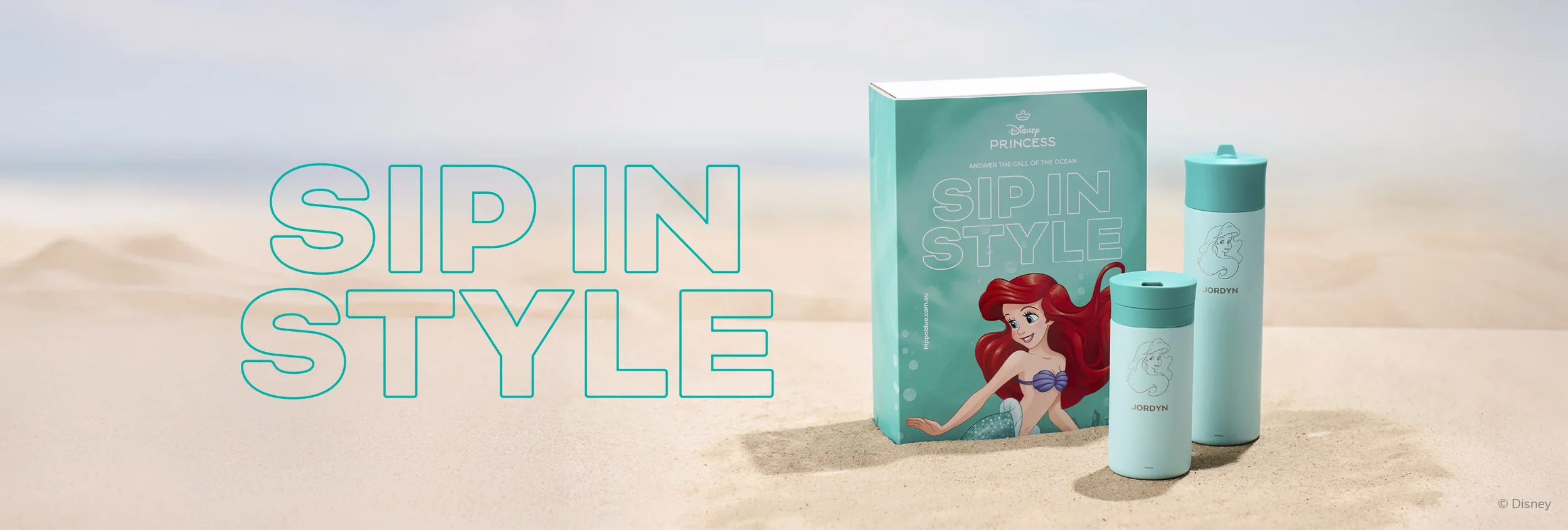
Above: Hippo Blue’s Disney Princess licensed product.
Three Jobs a License Can Do
The e-commerce case studies in this episode show licensing doing three distinct jobs, and the best programs do more than one.
It unlocks new customers. Davie Fogarty, founder of The Oodie, says his first licensing deal, with Warner Bros., generated around $10 million in sales. WOLFpak, a bag brand that now releases licensed collections almost weekly, from Hello Kitty to Transformers, told us licensing brought in customers who would never have found the brand otherwise and improved the return on every advertising dollar. Familiar characters stop the scroll in a way an unfamiliar product rarely does.
It raises the value of every order. Steven Singer Jewelers, working with Born to License, released gold-dipped roses inspired by Wicked: a pink rose for Glinda and a green one for Elphaba. Steven Singer told us its average order roughly doubled, from around $100 to around $200, because customers bought the pair rather than just one. Collectibility is one of the most underrated advantages a license brings to e-commerce.
It creates moments. When Hismile turned what started as an April Fools’ idea into a KFC-flavored toothpaste, it sold out in about 48 hours. Nothing about fried chicken and toothpaste makes sense on paper. That’s the point. A well-chosen license can give people a reason to talk about you that no ad budget can buy.
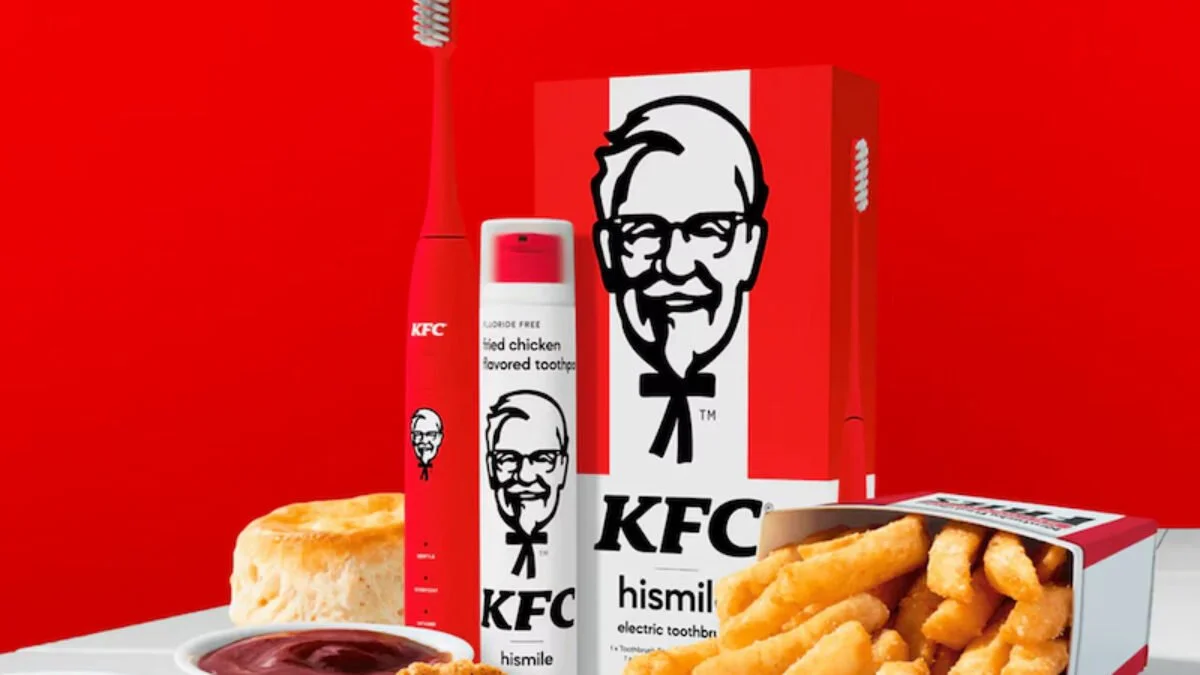
Above: Hismile’s KFC licensed toothpaste.
The Caveat That Matters Most
Licensing isn’t a silver bullet, and it won’t fix an e-commerce business that isn’t already working.
Davie Fogarty offered the clearest illustration. That first Warner Bros. launch did roughly $10 million. The Oodie’s original unlicensed avocado print, in his telling, sold close to $40 million in about a year, four times as much.
The lesson isn’t that licensing underperforms. It’s that a license often creates a spike, sometimes a very large one, because it borrows an audience that already exists and already cares. Some licensed products sell steadily all year, especially when new films, seasons or anniversaries keep the property in the conversation. But the license sits on top of a core product. It doesn’t replace one.
That’s why the strongest results in this episode came from companies that were already good at what they did, from a two-person apparel brand to a nine-figure business. They’d hit a ceiling on attention, differentiation or price, and licensing gave them a way through it.
The Bottom Line
E-commerce is turning to licensing because the economics of selling online have changed: attention costs more every year, margins are being squeezed from every side, and anything original gets copied faster than it can be defended. A license addresses all three at once by attaching your product to demand that already exists and that competitors can’t legally replicate, and it can do that job better than almost anything else available to a growing brand. But it is a multiplier, not a foundation. The founders who win with licensing are the ones who already have something worth multiplying, and who understand that the license amplifies the business they’ve built rather than building it for them.
want to connect?
The Born Perspective is one part of a bigger conversation. If you want more, you can find me on LinkedIn for industry commentary, Instagram for what's happening day to day, and YouTube and the Born to License Podcast for deeper dives into the world of licensing. Pick your platform. I'll be there.
Explore the Born Collective
Everything I build connects back to licensing. Here's where to go depending on what you need: