
Above: David Born discusses this topic in the latest episode of the Born to License podcast
I said something on the Ecom Growth Insider podcast that I included in the Licensing + E-Commerce episode of Born to License, because I think it’s the most important line in the show. Licensing does not save e-commerce companies. It does not save brands. If you’re really struggling, it makes things worse.
That isn’t the usual pitch from someone who runs a licensing agency. But I’ve spoken with hundreds of e-commerce companies through Born to License, and the founders most excited about licensing are often the least ready for it. They see a license as a lifeline. In practice it works like a stress test. Whatever is fragile in your business, licensing will find it.
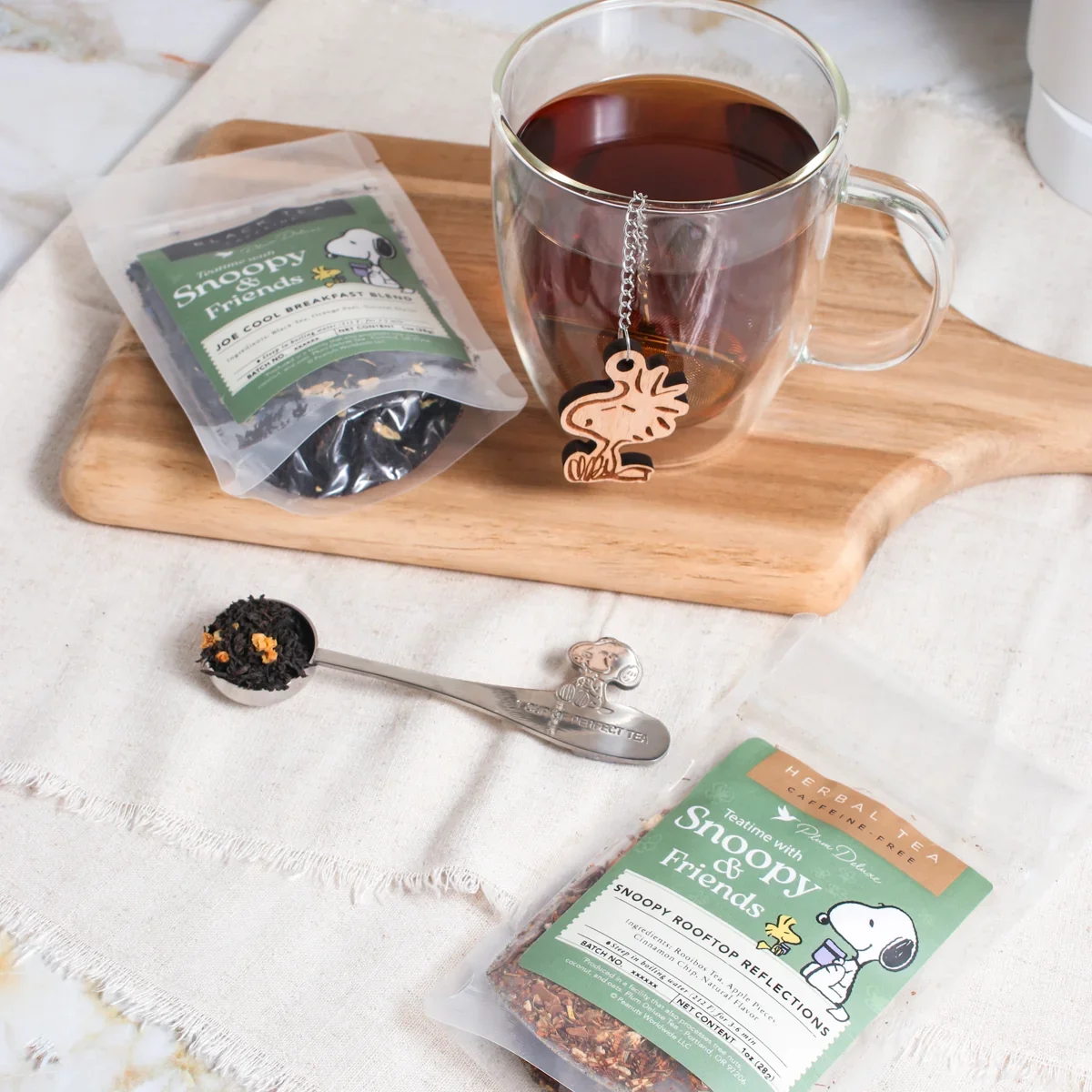
Above: Plum Deluxe’s Peanuts range sold out in 12 days.
Why struggling founders are the most tempted
The appeal is easy to understand. Customer acquisition gets more expensive every year, marketplaces are crowded and copycats arrive faster than ever. Then you hear that The Oodie did around $10 million from its first Warner Bros. launch, or that Plum Deluxe’s first Peanuts tea collection sold out in about 12 days, and licensing starts to look like the answer.
What those stories leave out is everything that had to be in place before the license went live. Those businesses weren’t using licensing to fix a broken model. They were layering it on top of one that already worked.

Above: The Oodie’s Pokémon licensed product.
What a license actually adds
When you sign a license, you take on a partner with approval rights over your product, packaging and marketing, a fixed financial commitment and a new set of processes. None of it is optional.
Start with the money. Most deals combine a royalty on sales with a minimum guarantee, a fixed amount you owe whether you sell one unit or ten thousand. The guarantee is based on your own sales forecast, so in effect you’re underwriting your own optimism. Davie Fogarty told me that in The Oodie’s early days he signed minimum guarantees of up to $30,000 on licenses that never even reached the sampling stage. At The Oodie’s scale, that was a rounding error. For most e-commerce businesses, it’s a quarter’s profit gone.
Then there’s time. Jenna Chalkley, our global head of product development at Born to License, has worked on licensed product for almost 20 years, including at Cartoon Network. A submission typically takes around 10 working days to come back, and it usually comes back with comments. Make the changes, resubmit, and the clock starts again. One round of revisions can cost you five weeks. Concept, pre-production and final product each go through their own approval stage, and licensors often want six to 12 physical samples of every product before it can go on sale.
Then there’s marketing. Every social post, email, influencer list and web page featuring the licensed IP needs approval, usually within the same 10-business-day window. Most e-commerce brands run on reactive marketing: you sell out and you’re posting by lunch. With a license, you can’t do that unless you planned for it two months earlier.
A business with tight cash flow, a stretched team and improvised processes doesn’t absorb that load. It breaks under it.
Davie fogarty’s test
The most practical filter I’ve heard came from Davie, and it costs almost nothing. Before you touch a license, test the next version of your own product without one.
His example was a desk chair. If you think it would sell with a Batman symbol on the headrest, nothing stops you from testing a different pattern on that headrest first. If the unlicensed version doesn’t sell, the licensed version won’t save it. If it does sell, you’ve proven the one thing every licensor wants to see: that you can launch something new and make it work.
“If you can’t sell a new product without a license attached to it, a license probably won’t save you.”
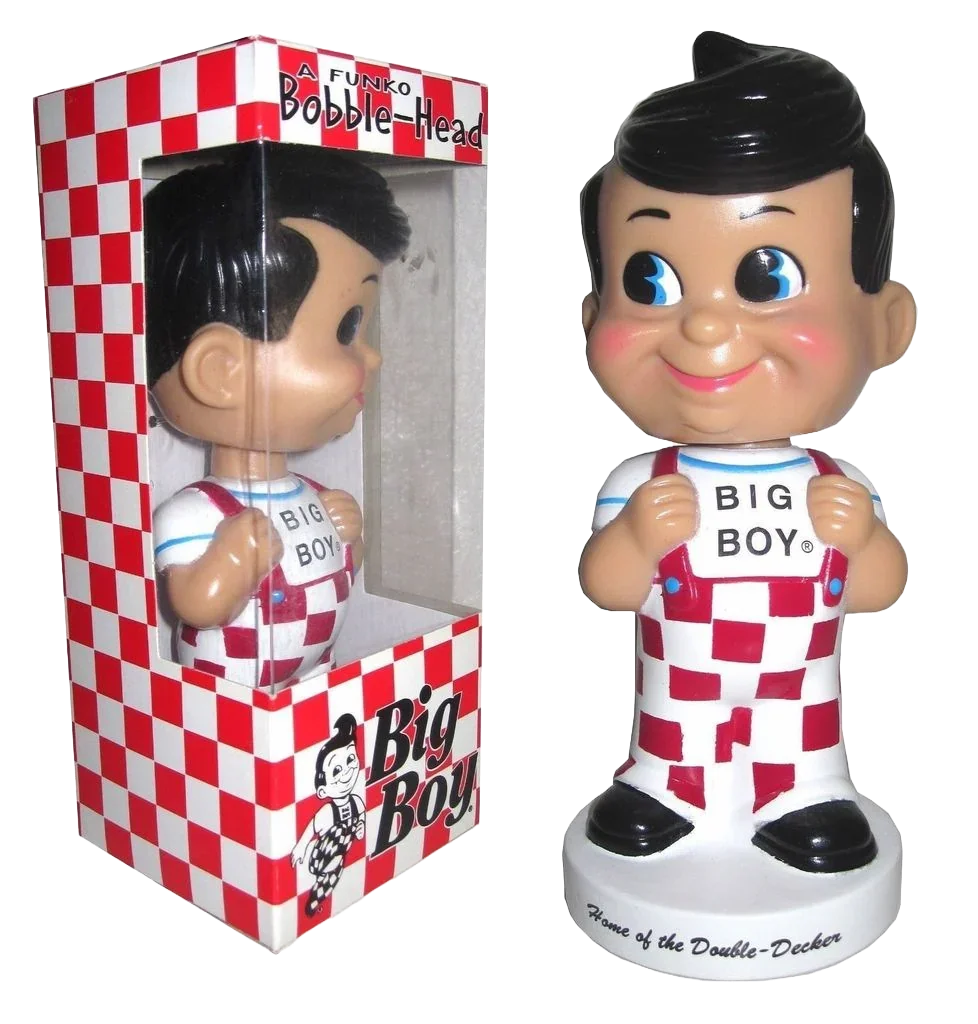
Above: Funko’s first licensed product was a Big Boy a bobblehead of the Big Boy restaurant mascot
Licensors want proof, not promises
Alyssa Gourlay, President of Born to License, regularly sees founders approach licensors too early, with a prototype, an early concept and a lot of enthusiasm. Licensors look for evidence. How have you launched products before? What marketing supported them? What happened?
She pointed to Funko as the model. Before it became one of the best-known names in licensed collectibles, Funko’s first product was a bobblehead of the Big Boy restaurant mascot. The business found its footing with an Austin Powers license whose bobbleheads sold around 80,000 units. Start small, prove it works, then scale.
Alyssa also listed the warning signs she sees in early proposals: chasing the biggest property instead of the right one, padding pitches with jargon, assuming there’s a fixed price list when there isn’t one and, above all, treating licensing as the whole business strategy rather than a lever on top of one.
The real to-do list
Davie was specific about what needs to be in place before you take on a licensing program. It comes down to four functions.
Legal: someone who understands licensing agreements and can negotiate the terms that matter.
Product design: a strong designer, on contract or in-house, who can produce work that clears approvals.
Finance: a team that knows how to account for royalties, report accurately and manage guarantees, because licensing teams are measured against their own forecasts and will push you to hit yours.
Marketing: people who understand the approval process and plan around it.
If those four aren’t covered, that’s your actual to-do list. Finding the perfect IP comes after.
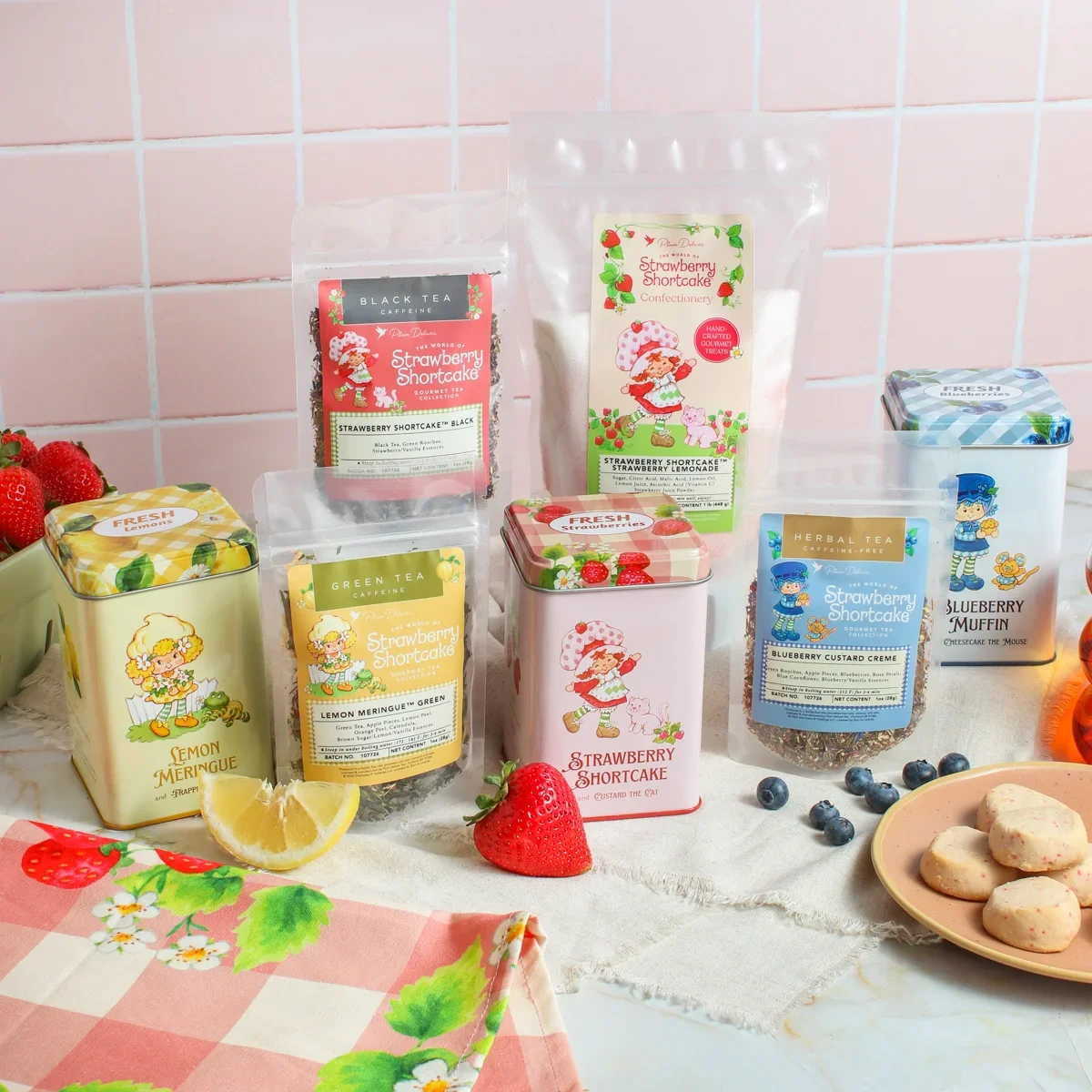
Above: Plum Deluxe’s second licensed range - Strawberry Shortcake
What ready looks like
Andy Hayes at Plum Deluxe shows what ready looks like. He came to licensing after 10 years of building his Portland tea company around its own distinctive flavors, and only after deliberately reviewing every option for acquiring new customers. His Peanuts holiday collection was the company’s first licensed range.
What he told me about the aftermath was more interesting than the sales figures. Bringing licensed products into the pipeline forced his team to raise the standard of their own branded products, because the two competed for attention in the same seasons. They began applying the licensing development process, with longer lead times and story-led range planning, to their own line. When we recorded in the fall, much of next year’s in-house range was already designed.
That’s what exposure looks like in a business that’s ready. Licensing found the gaps, and the team got better.
The Bottom Line
Licensing magnifies what is already true about your business. If your product works, your cash flow can carry a guarantee and your team can plan months ahead and work to someone else’s approval clock, a license can multiply what you’ve built. If not, it adds cost, delay and a demanding partner to a business already under strain, and it will show you exactly where the cracks are. So the first question isn’t which property you want. It’s whether your business can stand up to the scrutiny. Answer that honestly, run Davie’s test and put the four functions in place. Then go after the license.
want to connect?
The Born Perspective is one part of a bigger conversation. If you want more, you can find me on LinkedIn for industry commentary, Instagram for what's happening day to day, and YouTube and the Born to License Podcast for deeper dives into the world of licensing. Pick your platform. I'll be there.
Explore the Born Collective
Everything I build connects back to licensing. Here's where to go depending on what you need: