Inside the Camelbak × Crayola Bottle: A Licensing Story Hiding in Plain Sight
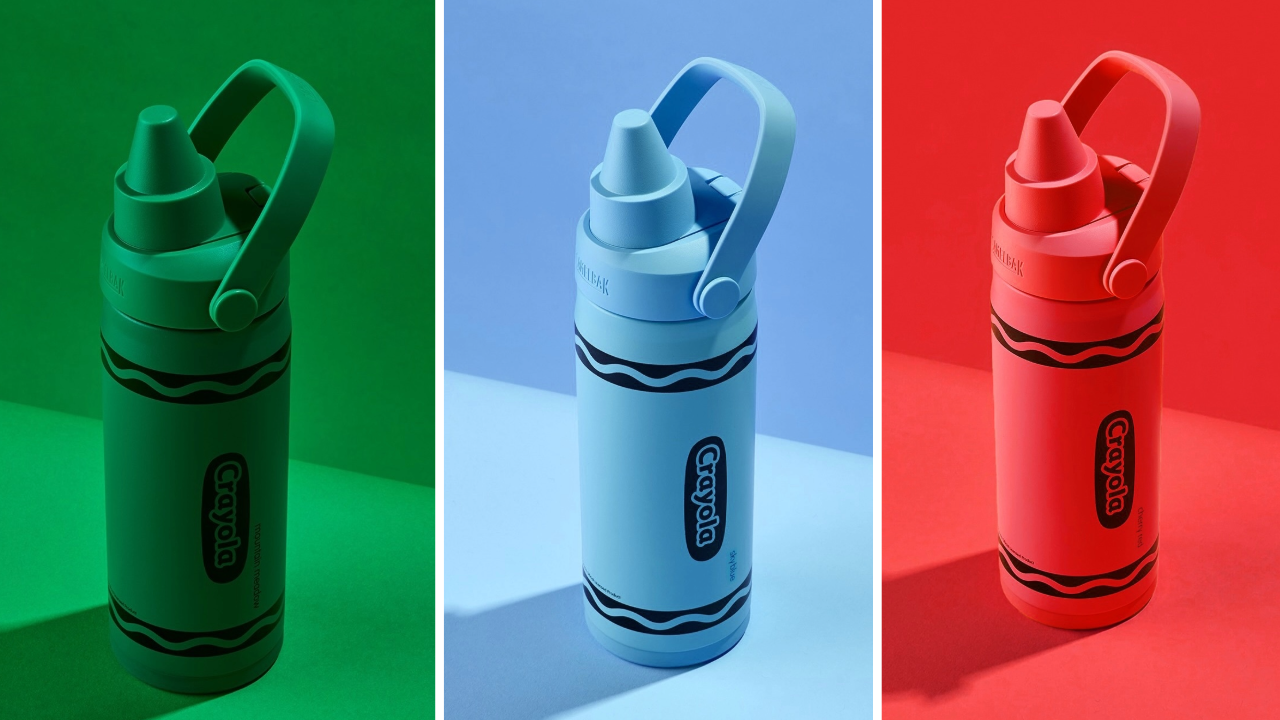
Above: The brilliantly designed licensed Crayola Camelbak products
This month a water bottle broke the internet. A limited-edition collection from Camelbak and Crayola - drinkware shaped and colored like classic Crayola crayons, right down to a lid that mimics the crayon tip. A fashion account on X posted it on June 8th and it racked up 9.5 million views. LinkedIn did the rest. Designers shared it. Marketers shared it. Brand strategists shared it. For a few days it became the thing to post about, which made more people post about it, which made it even more the thing to post about. You know how it goes.
And through all of it, one word was almost entirely absent. Licensing.
That absence is the whole story.
The Crayola x Camelbak Crayon Water Bottles (2026) pic.twitter.com/75JFfFARxv
— Outlander Magazine (@StreetFashion01) June 8, 2026
What you were actually looking at
Here’s the part most of the internet missed. The product wasn’t new. It launched in November 2025 - seven months before it went viral - positioned as a holiday gift, exclusive to Amazon. For seven months it sat there, quietly selling, while almost nobody outside the licensing world said a word. Then one day in June, the internet discovered it.
What people discovered was a licensed product. Crayola, the licensor, granted Camelbak the right to use its brand, its colors, and its instantly recognizable crayon design in a category it doesn’t manufacture itself. Camelbak, the licensee, took that right and built something genuinely great with it. Behind it was a licensing team on the Crayola side managing the negotiation, the contract, the product development and approvals, the marketing and PR sign-offs, and the ongoing compliance and royalty reporting that nobody ever posts about. This didn’t fall out of the sky. A relationship was built and a process was followed, and that is what made the bottle possible.
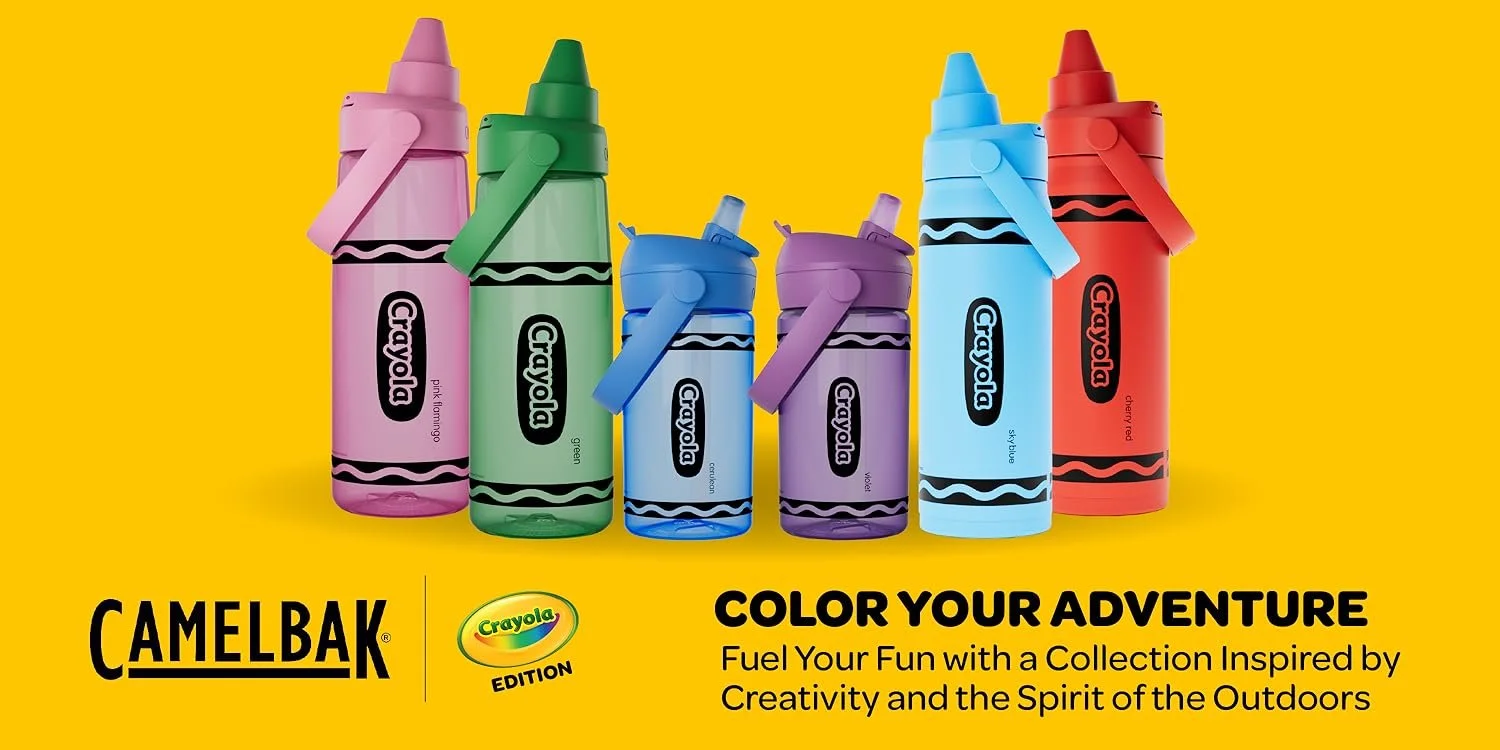
Above: the Camelbak Crayola range
It also happens every single day. Licensing is a $380 billion global industry. The products on your shelves, the clothes your kids wear, a remarkable amount of what’s in your fridge - much of it exists because of a licensing deal. Disney, Warner Bros, Hasbro, Mattel, Universal: these are licensing machines. And entertainment is only 41% of the business. Tens of thousands of companies develop licensed products every year, from global manufacturers to regional businesses you’ve never heard of. It is one of the most creative, commercially powerful forces in consumer products - the reason I got into this nearly twenty years ago, and the reason I’ve stayed - and almost nobody outside of it knows it exists.
One of the posts that stopped me came from Jon Evans, host of the Uncensored CMO podcast and a marketer with serious experience and a large audience. His post was genuinely enthusiastic. He talked about the power of combining distinctive brand assets, called the result genius, and asked why more brands don’t do this. I had to respond, because the honest answer is: they do. Constantly. You’re just not being told that’s what you’re looking at.
We have seen this before
This isn’t the first time a licensed product has crossed out of our world and into the mainstream, and it won’t be the last.
Think about Barbie in 2023 - the most sophisticated, multilayered licensing campaign many of us had ever seen. Pink Airbnb dream houses. Burger King turning its food pink. Limited-edition pink Xbox consoles. Gap collections. Marketers called it a masterclass in brand partnerships, and they weren’t wrong. But inside the industry we knew exactly what it was: Mattel executing an extraordinary licensing strategy around a theatrical release, with one of the best licensing teams in the business firing on all cylinders.
The world talked about Barbie, we talked about licensing. Two completely different conversations about the same thing.
That is the pattern. A licensed product breaks out. The commentary floods in - collabs, partnerships, genius marketing. And the mechanism that made it possible doesn’t get named once.
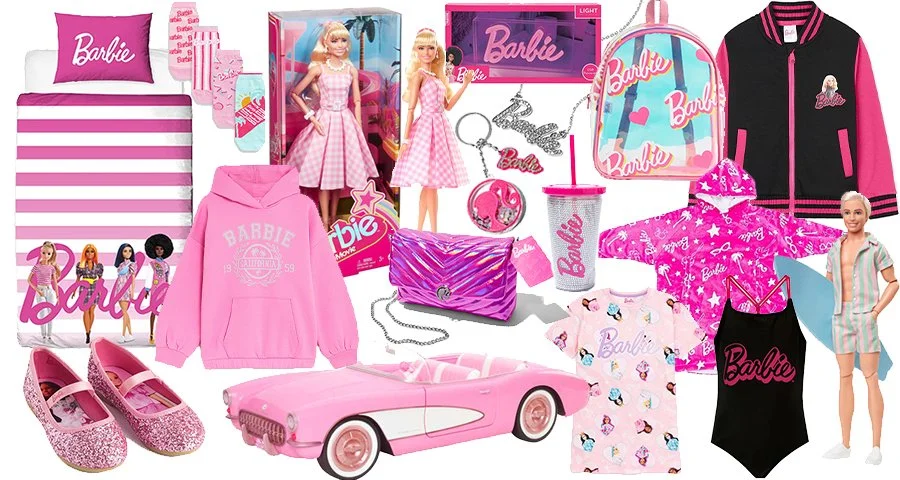
Above: just a small portion of the Barbie licensed merchandise that launched around the 2023 film
Why the word disappears
I’ve been thinking about why this keeps happening, and I think two things are going on.
The first is the word itself. “Licensing” is industry language. It’s precise and commercial and it means something specific to those of us who live in it. But to everyone else it sounds a little dry. It sounds like terms and conditions. It does not sound like a water bottle that made tens of millions of people stop scrolling. The press reaches for “collab” and “brand partnership” instead, and those words are closer to the emotional experience of actually seeing the product. In a world driven by emotional response, that gap matters.
The second is harder to sit with. Our industry hasn’t always done a great job of telling its own story. We’re excellent at communicating within our four walls. But the story of what licensing is, why it matters, and what makes it possible isn’t being told loudly enough, or in the right rooms. When a product like this goes viral and the word never comes up, that’s on us as much as anyone.
The part I keep coming back to
Here’s the detail I find most interesting. The collection launched in November. It went viral seven months later. No campaign, no media buy, no seeding strategy engineered the moment. The product sat on Amazon, quietly selling, until the right person posted it to the right audience at the right time - and then it exploded. Sometimes the moment finds the product, not the other way around.
That is exciting and slightly uncomfortable at the same time. It means the deals you negotiate and the products you develop can take on a life you didn’t plan and can’t fully control. Could Crayola and Camelbak have manufactured this moment seven months earlier by getting the bottle into the right hands? Maybe. But the organic, accidental way it spread is probably part of why it landed. People weren’t sold to. They felt like they discovered it themselves. There’s a lesson in there about how we think about launches, and I’ll leave it with you.
listen to the podcast
The Bottom Line
The Camelbak x Crayola collection is brilliant, and it is licensing. Those two things are not separate, and the fact that the world experienced one without recognizing the other is the problem worth solving.
So here’s the question I’d put to anyone in this industry. How do you explain what you do - not to a client or a licensor, but to someone at a dinner party, or to a journalist who just wrote a glowing piece about a viral brand collab and never once typed the word licensing? Every time one of our products captures the world’s attention and nobody connects it back to us, that is a missed opportunity to make this industry legible to the people who should understand it.
The more of us who can answer that question clearly, confidently, and in language that actually lands, the better this industry gets at telling its own story. The bottle did its job. Now we have to do ours.
want to connect?
The Born Perspective is one part of a bigger conversation. If you want more, you can find me on LinkedIn for industry commentary, Instagram for what's happening day to day, and YouTube and the Born to License Podcast for deeper dives into the world of licensing. Pick your platform. I'll be there.
Explore the Born Collective
Everything I build connects back to licensing. Here's where to go depending on what you need: