Toy Story 5 Is a Licensing Masterclass. Here's What Everyone Else Should Be Studying.
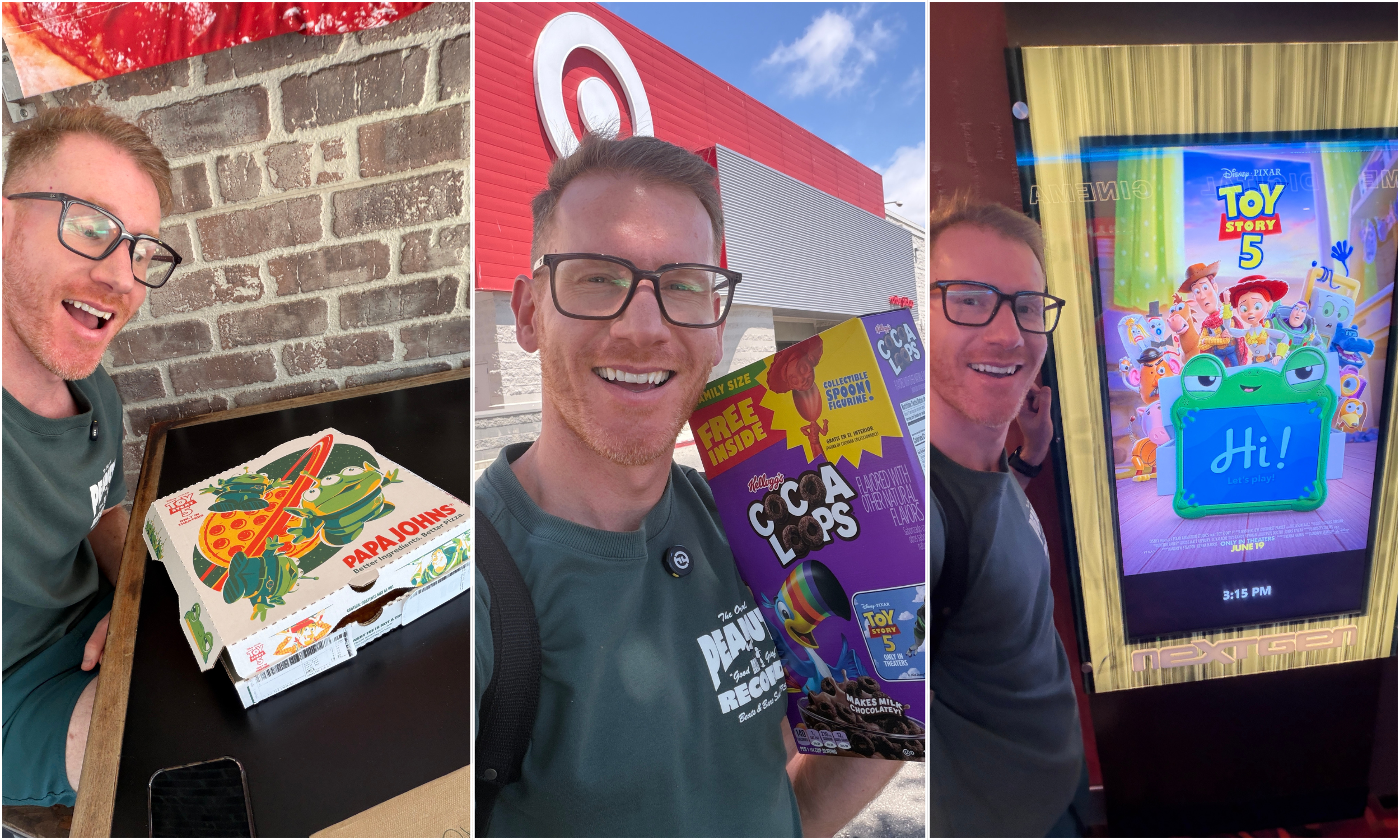
Above: My Toy Story themed day at Papa John’s, Target and the cinema to see Toy Story 5.
I called this one in January. On Episode 2 of Season 3 of the Born to License podcast, I named Toy Story 5 as the biggest licensing moment of 2026. Not a prediction based on sentiment - based on the fundamentals. Generational IP, a studio that knows how to activate it, and a cultural moment perfectly timed for what families are wrestling with right now.
Six months later, I’m living in Los Angeles. And on my very first full day here, Toy Story 5 is inescapable. Airports. Shopping centres. Restaurants. Cereal aisles. The cinema queue. It followed me from Brazil, through transit, and right into my new city. If you needed evidence that this campaign is executing at the highest possible level, I have it - experienced personally, across multiple categories, in one afternoon.
What I want to do here isn’t recap the film. I want to break down the licensing strategy behind it. Because this isn’t luck. This is what a franchise asset looks like when it’s activated properly.
Why Toy Story Works as a Licensing Property
Let’s start with the numbers. The original Toy Story (1995) was the first feature-length computer-animated film ever made. Budget: $30 million. Box office: $373 million. The sequels followed the same trajectory. Toy Story 2 crossed $511 million. Toy Story 3 and Toy Story 4 both surpassed $1 billion. Toy Story 3 won the Academy Award for Best Animated Feature.
But the revenue figures alone don’t explain the licensing power. What makes Toy Story different is its generational reach. The people who watched the original film as children in 1995 are now parents - in their late 20s and 30s - taking their own kids to see Toy Story 5. That’s not just nostalgia. That’s a brand that has compounded emotional equity across three decades and two generations of consumers.
That is extremely rare. And Disney knows exactly what it has.
The other factor working in Toy Story 5’s favour is timing. The film’s central theme - the tension between classic physical toys and digital screens - couldn’t be more culturally relevant. The UK recently announced a ban on social media for under-16s, following Australia’s lead. Screen time is one of the defining anxieties for parents right now. Toy Story 5 doesn’t just entertain. It arrives with cultural resonance. That gets families into cinemas. And families in cinemas are the engine of a licensing program.
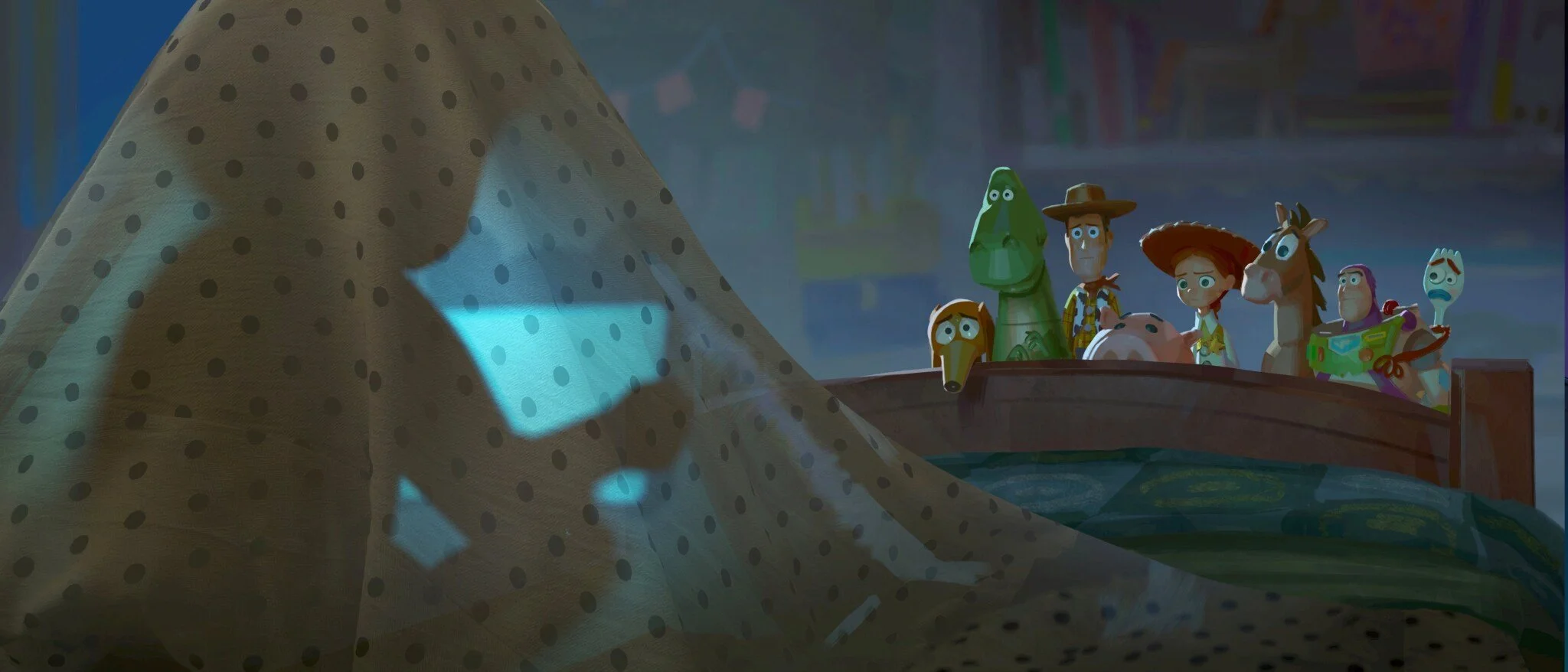
Above: Toys vs. tech is a key theme from Toy Story 5
Papa John’s: This Is What Good Brand Partnership Looks Like
My first stop on what became a Toy Story 5 field day was Papa John’s. Not a coincidence - they’re running a full partnership with the film, including themed menu items and a Pizza Planet pop-up that turned an actual restaurant location into an activation from the films.
The single day pop-up included claw machines, themed food and drinks, alien slime beverages, costume elements, and prizes including Toy Story Crocs. Tickets sold out almost immediately. Lines stretched around the block in LA heat. I spoke to someone who attended - she won a pair of Crocs from the claw machine and described the whole experience as genuinely well-executed.
But what I want to highlight is the menu itself. Papa John’s didn’t just slap a Toy Story logo on their existing range. They created named pizzas with Toy Story themes: “Space Ranger 'Roni”, “Sheriff's Round Up” and “Reach for the Pie”. The naming, the flavour design, the branded presentation - it all connects back to the IP.
There is nothing worse in licensing than a partnership that feels inauthentic. When a brand takes a logo and drops it onto an unrelated product with no creative thought, consumers notice. It reads as transactional. It doesn’t build love for the IP or the partner.
Papa John’s went the other direction. They made the effort. And the effort shows. That’s a better outcome for Disney. It’s a better outcome for Papa John’s. And it’s the right way to do a promotional partnership.
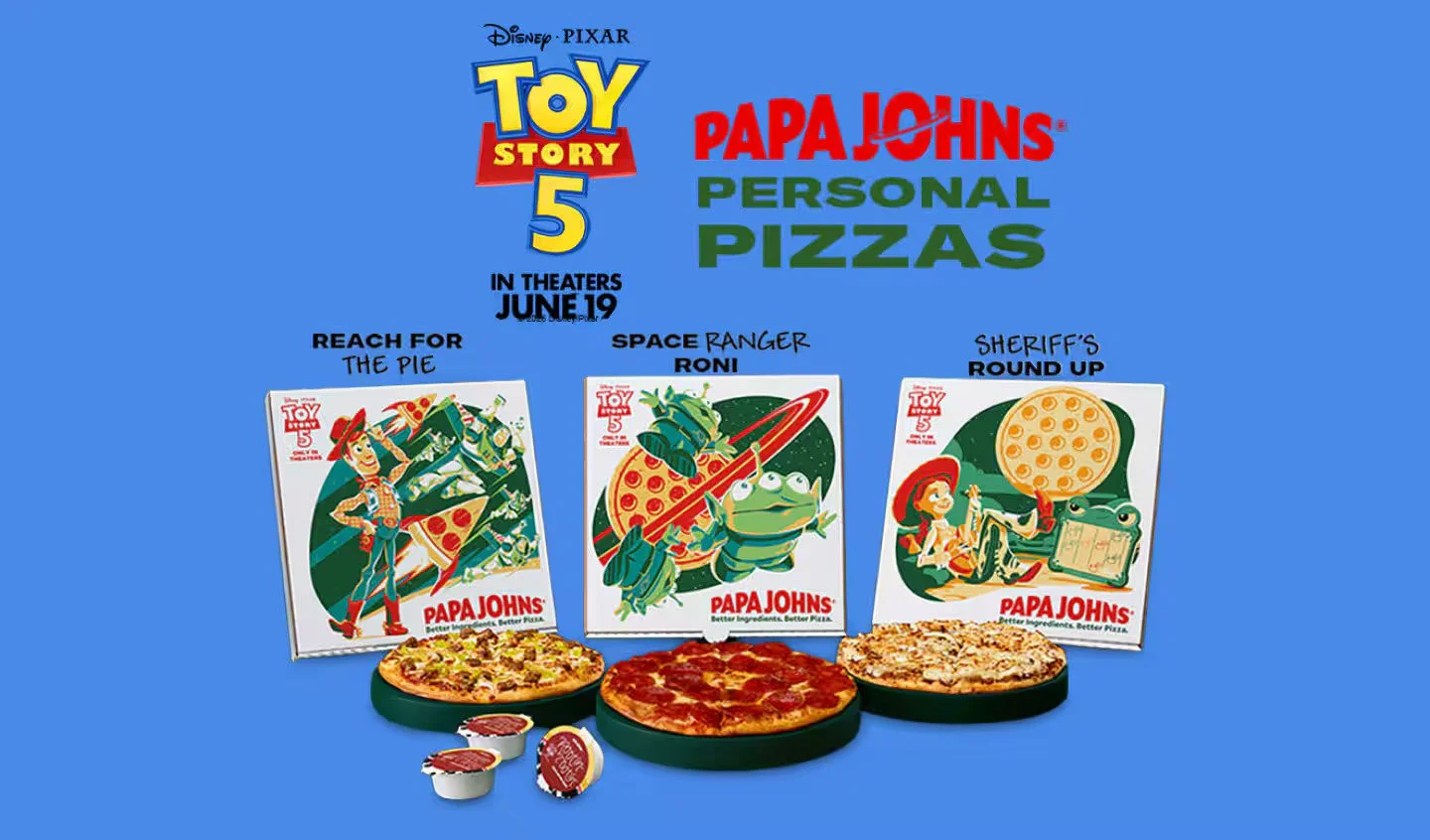
Above: Papa John’s Toy Story 5 themed pizzas.
Kellogg’s: The Return of the In-Box Prize
My next stop was Target. I had a specific mission: find the Kellogg’s Toy Story 5 range.
Here’s what made this activation interesting to me: Kellogg’s brought back the physical in-box prize for the first time in over a decade. No digital redemption. No QR code. No mail-in. You buy the cereal, you open the box, and there’s something inside. In this case: character spoon figurines - Woody, Buzz, and Jessie - and collectible trading cards featuring plot points and character introductions from the new film.
The range covers Frosted Flakes, Cocoa Loops, Apple Jacks, Corn Pops, Rice Krispies, Frosted Mini Wheats, and Corn Flakes. And layered on top: buy three participating products, photograph your receipt, and receive a $15 Fandango promo code to go and see the film.
That last mechanic is worth pausing on. Disney’s objective across every promotional partner is the same: get people into cinemas. Kellogg’s is contributing directly to that outcome. The Fandango integration turns a cereal purchase into a cinema ticket incentive. The in-box prize drives repeat purchase - kids will want to collect all three spoons. And the trading cards, which include plot points from the new film, create genuine appetite for the movie.
Every element of this program is pulling in the same direction. That’s what a coherent promotional licensing strategy looks like.
And the in-box prize revival itself tells you something about the broader market moment. There is a growing consumer reaction against digital everything. Physical, tangible, collectible - particularly for children - is reasserting itself. The Kellogg’s activation reads that cultural signal and plays it back perfectly.
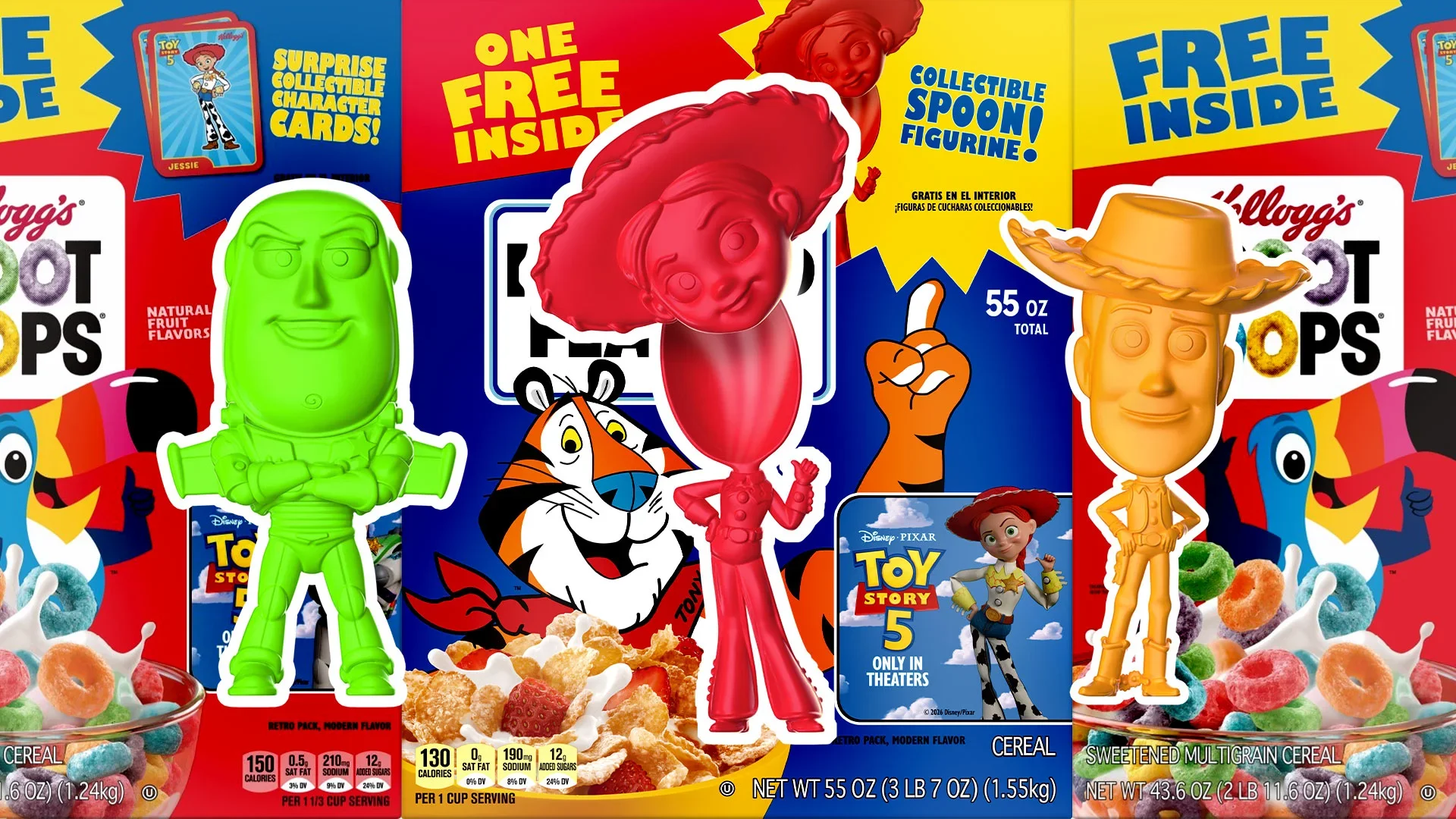
Above: Kellogg’s included prizes in their cereal boxes for the first time in 10 years.
What Disney Is Actually Doing Here
It’s worth being direct about what’s driving all of this from Disney’s perspective. When they license Toy Story 5 to Papa John’s, to Kellogg’s, to other promotional partners - the primary objective is not royalty income. The objective is to get as many partners as possible spending their own marketing budgets to promote the film.
Every Kellogg’s box that sits on a shelf and says “Only in Theaters” is Disney’s message reaching a consumer Disney didn’t pay to reach. Every Papa John’s campaign. Every in-store display. Every co-branded piece of apparel. These are amplifiers. Partners are paying to be in business with Toy Story 5, and in doing so they become part of the promotional engine.
This is the mechanics of theatrical licensing. It’s not primarily about product. It’s about attention. And when you have IP as strong as Toy Story, every category partner wants a piece of it - which means Disney has leverage to be selective, to demand creative standards, and to ensure that what reaches market actually reflects the brand.
The Taylor Swift connection attached to this film hasn’t hurt the cultural conversation either. But I’d make the point that Toy Story 5 didn’t need it. The audience was already there. The IP already had the gravitational pull. Anything else is amplification of something that was already moving.
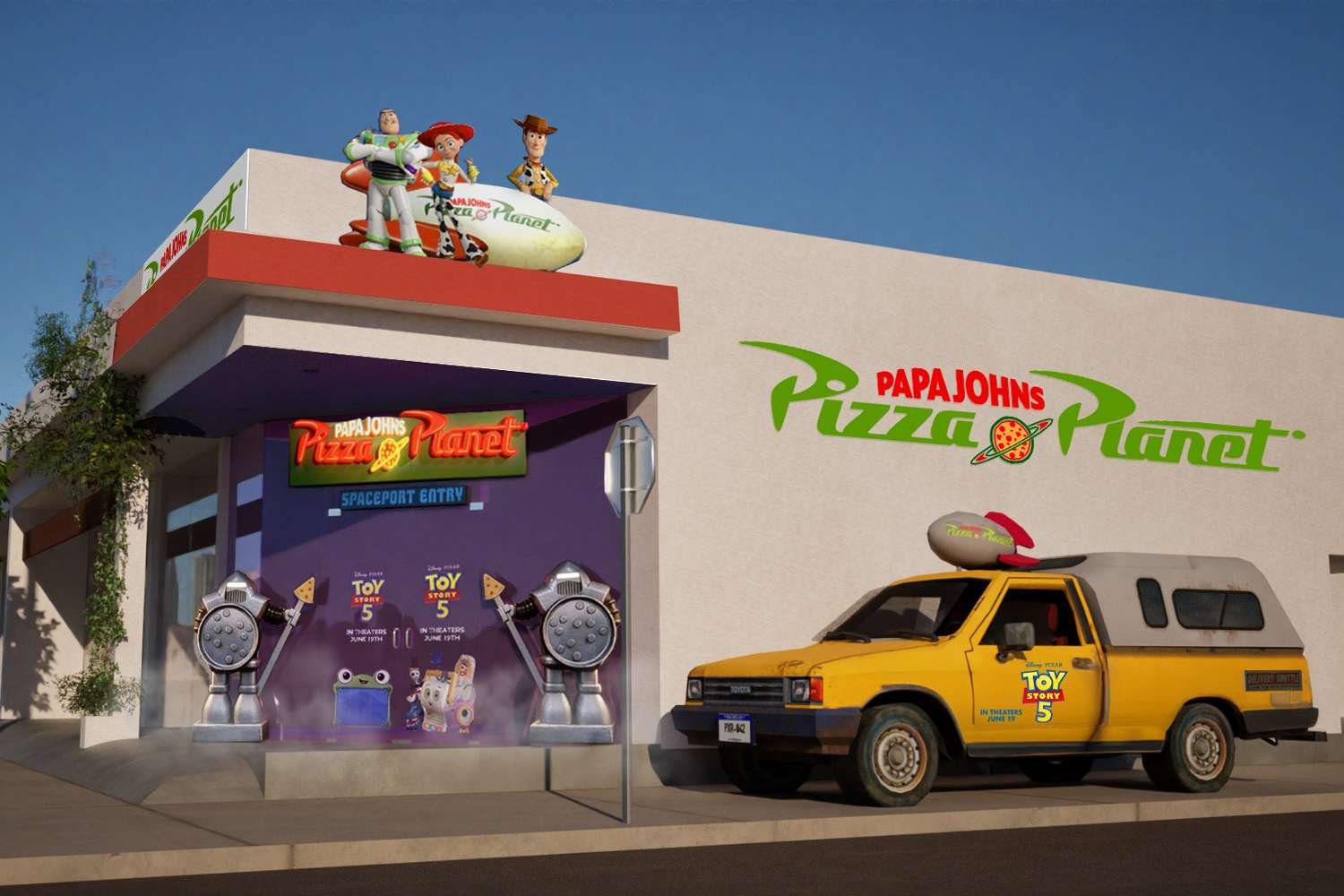
Above: the Papa John’s Toy Story 5 pop-up
A Lesson for Licensees: Ride the Wave Intelligently
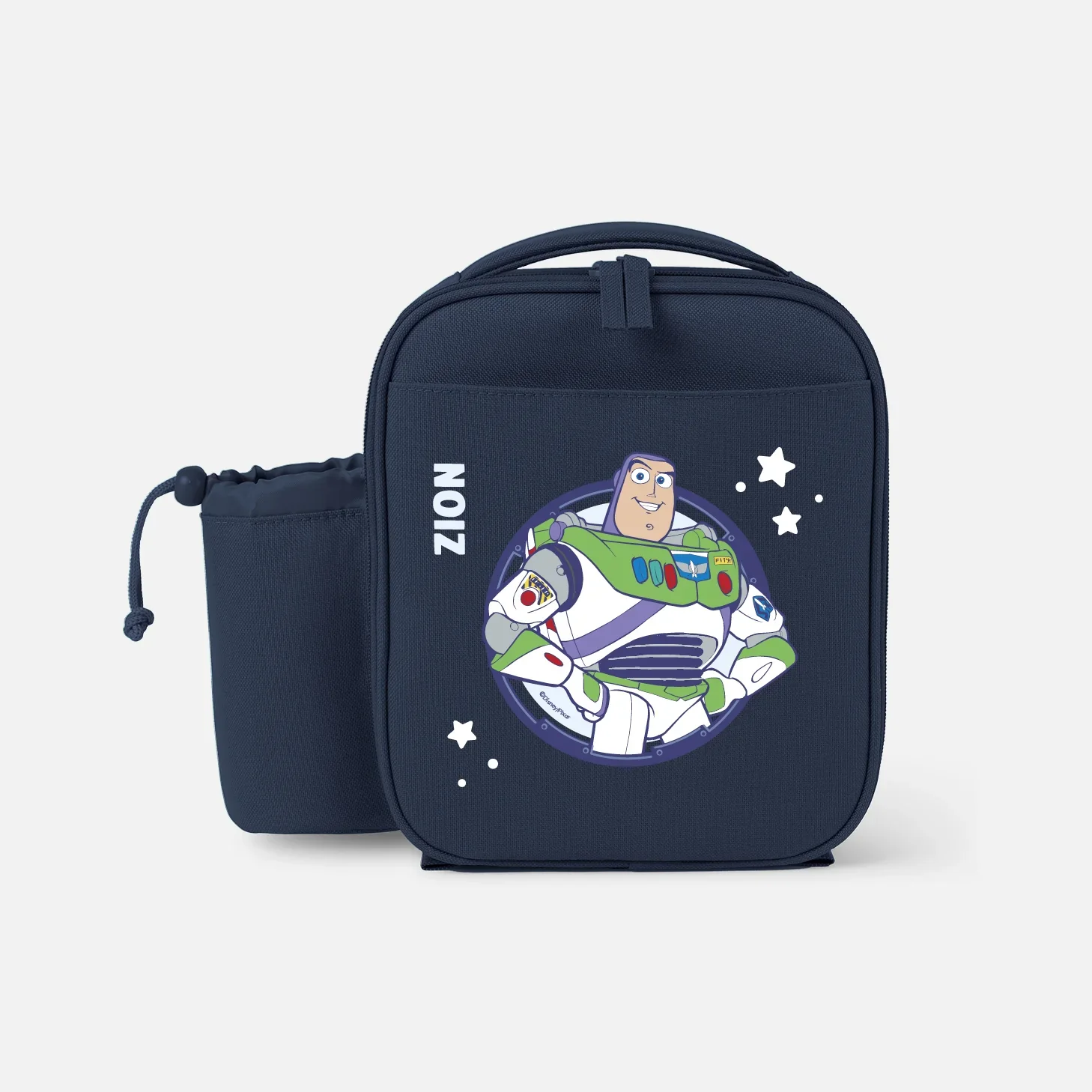
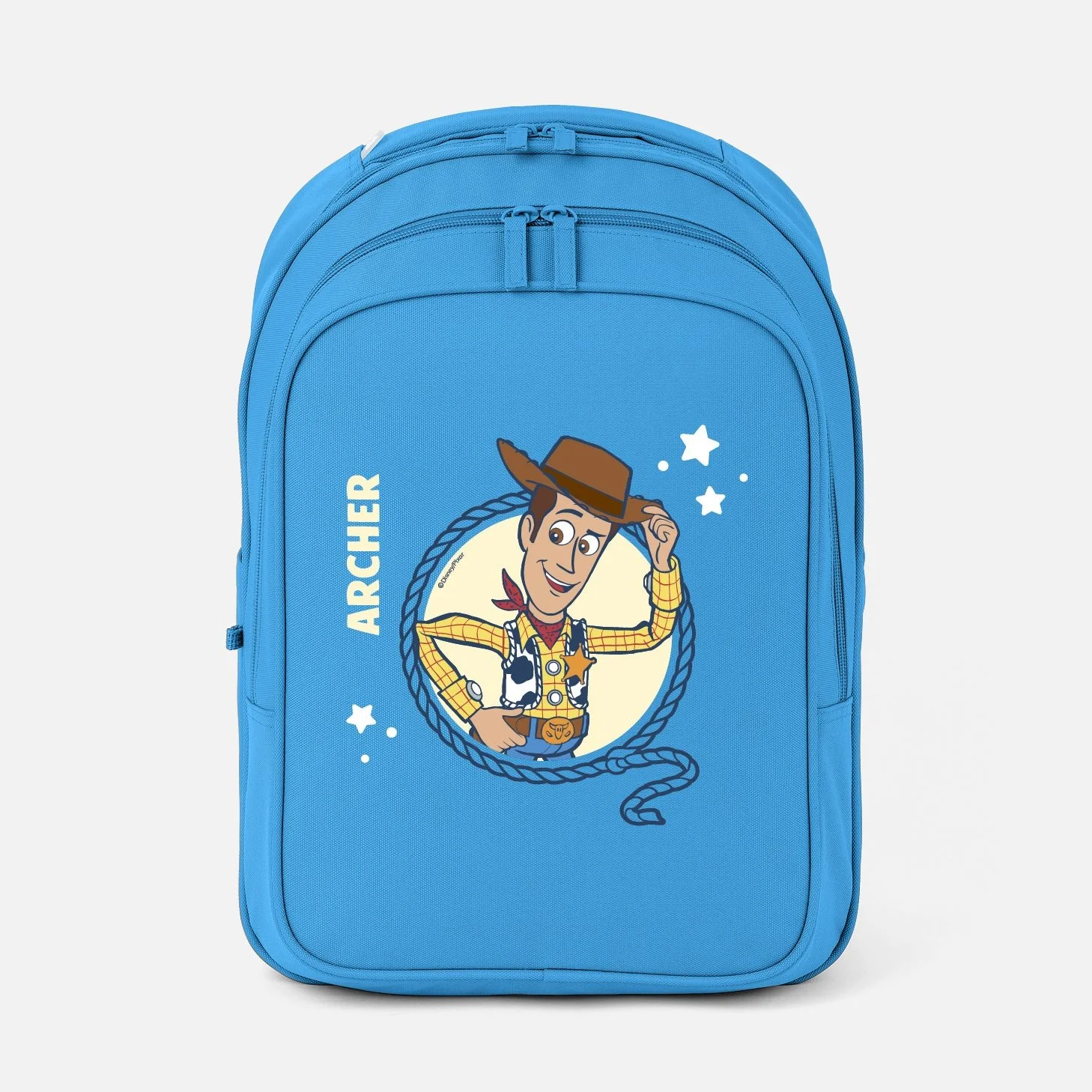
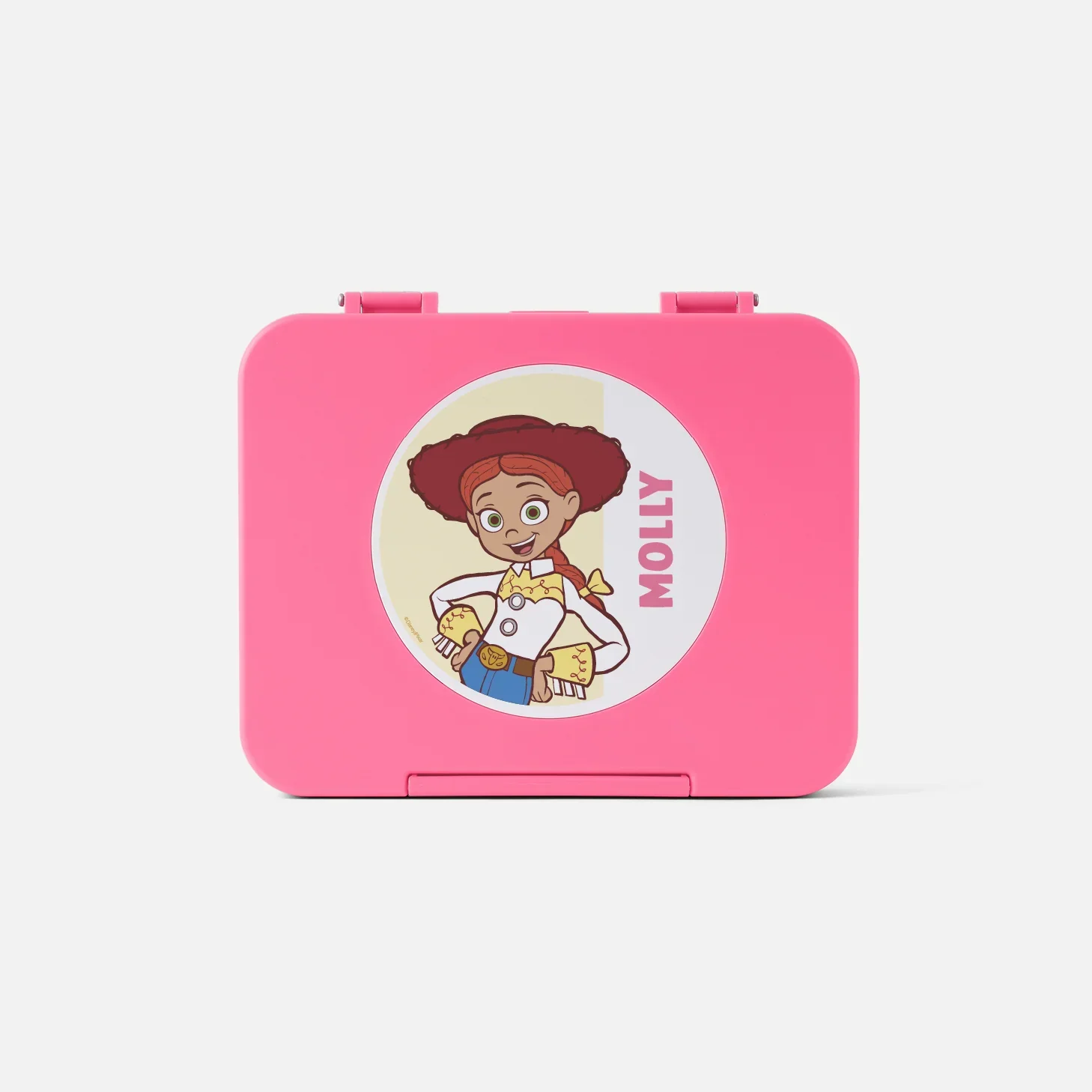
One of our own clients, Hippo Blue, is a good example of how to approach a major theatrical release intelligently. They already had a strong Toy Story product range in market. With Toy Story 5, they used the theatrical moment as a tent pole to launch a brand new range - this time leading with Jessie.
That is the correct strategic move. Disney and Pixar are spending enormous amounts promoting this film. That marketing spend creates a cultural wave. Licensees who time their launches to coincide with a theatrical window, who present new product that aligns with the campaign’s energy, get to ride that wave. The film does the heavy lifting on awareness. The licensee captures the purchase intent at retail.
You don’t need to manufacture the moment. You need to be positioned to capitalise on it when it arrives.
That requires planning. Theatrical windows are not surprises. The licensees who benefit most are the ones who have been building toward the moment, not scrambling to react to it.
What a Franchise This Strong Teaches Everyone Else
Toy Story 5 is a case study in what happens when IP compounds over time. Thirty years of audience love. Four films of brand equity. A fifth film that arrives already trusted, already beloved, already culturally relevant - and with a theme that couldn’t be better timed.
Most brands don’t have thirty years. But the principle holds regardless of scale. Brand equity accumulates. Licensing programs built on consistent quality - where partners are held to creative standards, where the IP is protected as well as monetised - compound in value over time.
What erodes brand equity is lazy licensing. Products that feel generic. Partnerships that feel transactional. Deals that optimise for short-term royalty over long-term brand health. Toy Story has avoided all of that. And the result is an IP that, in its fifth cinematic chapter, can still fill a cinema on a Friday afternoon and sell out a Pizza Planet pop-up within hours.
That doesn’t happen by accident.
listen to the podcast
The Bottom Line
My first week in Los Angeles was, unexpectedly, a masterclass in how theatrical licensing works at the highest level.
What I observed wasn’t just commercial activity. It was a disciplined licensing strategy executing across multiple categories, all pulling toward a single objective: put people in cinemas and sustain that momentum through the theatrical window.
Every partner had a role. Every activation was coherent. The IP was protected even as it was amplified. And the cultural timing was perfect.
That’s the standard. Not every property gets to play at this level. But the mechanics are transferable - and the lesson for anyone building or advising on a licensing program is clear: IP is not a logo to be placed. It’s leverage to be deployed, strategically, with the right partners, at the right moment.
Toy Story 5 is a reminder of what that looks like when it’s done right.
want to connect?
The Born Perspective is one part of a bigger conversation. If you want more, you can find me on LinkedIn for industry commentary, Instagram for what's happening day to day, and YouTube and the Born to License Podcast for deeper dives into the world of licensing. Pick your platform. I'll be there.
Explore the Born Collective
Everything I build connects back to licensing. Here's where to go depending on what you need: