
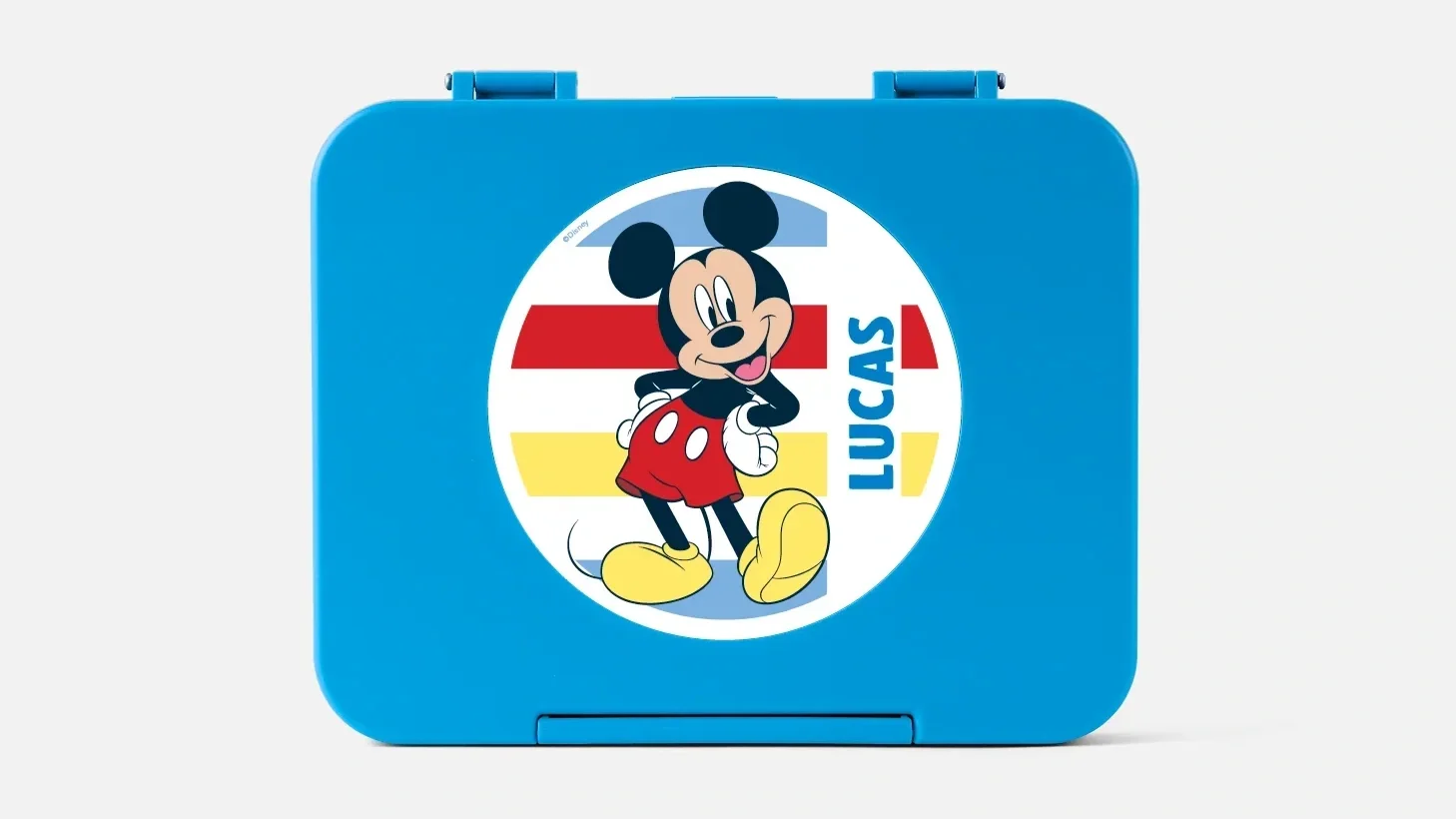
Above: Hippo Blue signed a license with Disney, Paramount, Warner Bros. Discovery and Bluey with support from Born to License.
For about a year, Hippo Blue couldn’t get a meeting.
Aldo Burcheri’s team in Melbourne had a strong business making personalized kids’ products: backpacks, drink bottles, bento boxes and name labels. They wanted to work with a major studio. They spent close to 12 months on LinkedIn trying to make connections, and the replies, when they came, were polite versions of no. Aldo compared it to buying your first home and getting outbid at every auction. They were close to giving up.
I shared this story on the Licensing + E-Commerce episode of the Born to License podcast because it’s the one I hear most often from e-commerce founders. The problem is rarely the product. It’s the approach. Most e-commerce brands pitch themselves as a smaller, less established version of a retail licensee, and that’s a pitch they usually lose.
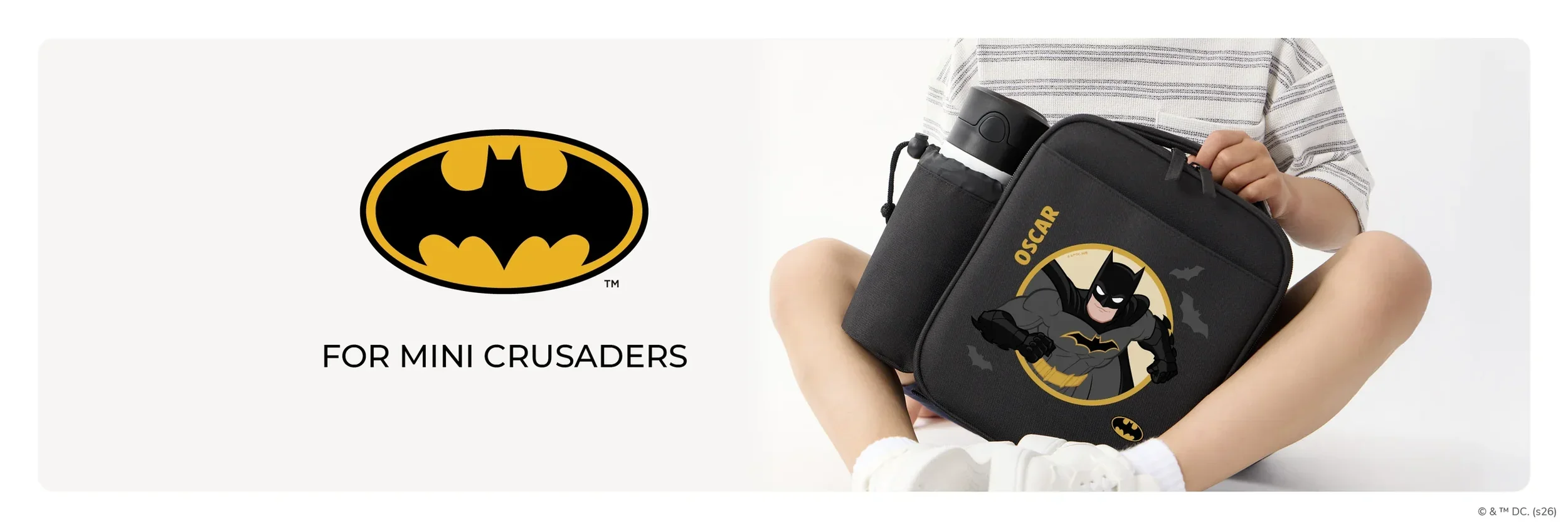
Above: one of Hippo Blue’s licensed Batman product.
Why the door stays closed
Start with what’s happening on the other side. Even the biggest studios run relatively small licensing teams, and those teams deal with a constant flood of work. Jenna Chalkley, who leads product development at Born to License, told me that when she worked at Cartoon Network she typically had between 800 and more than 1,000 submissions in her inbox at any one time. Those were approvals for existing licensees alone, not those who were seeking a license.
Licensors are also managing risk. Every new licensee is another brand they have to protect, a forecast they have to rely on and a potential conflict with existing partners. An unknown online brand with no licensing track record looks like risk with little upside. That’s the default assumption, and your pitch has to overturn it.
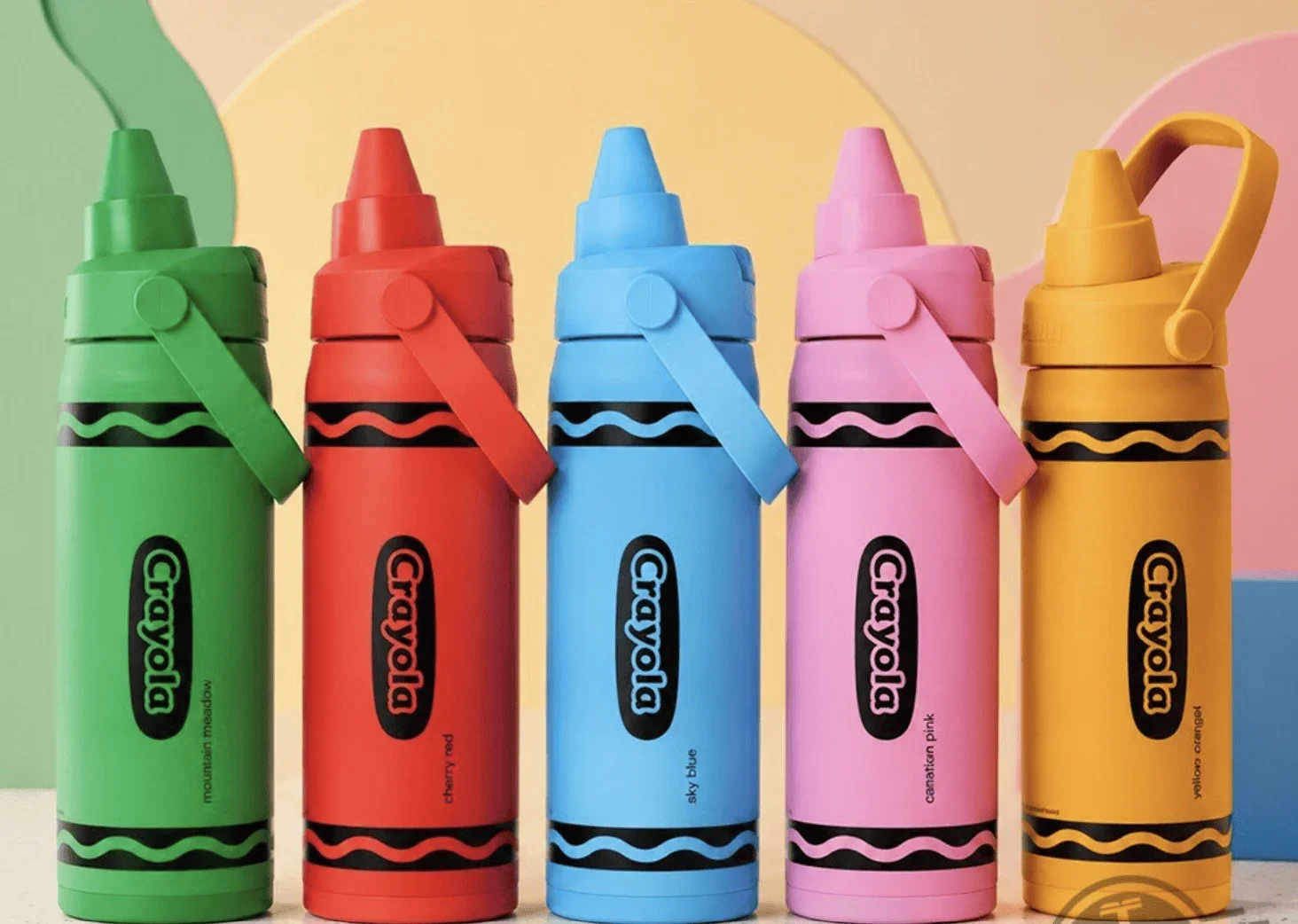
Above: Camelbak’s licensed range with Crayola
Lead with being e-commerce. Don’t apologize for it.
The first shift is positioning. Don’t present yourself as competing with retail. Present yourself as the place a licensor can try something new without stepping on its retail partners.
Yael Afriat, who leads licensing at Revelyst, the group behind CamelBak, described the advantage clearly. E-commerce moves faster, without the lead times and fixed calendar of traditional retail. It reaches anyone with a screen, at home or abroad, and it’s where you can test ideas that would be too risky to roll out at scale. CamelBak’s Crayola bottle, with a lid shaped like a crayon tip, was sold online and generated more than 40 million organic impressions in a week with no paid media behind it.
Online is no longer the junior channel. Licensing International’s 2026 Global Licensing Industry Study puts online at 32% of global licensed retail sales. A licensor reading your pitch should come away seeing a channel they don’t have yet, not a weaker version of one they already have.
Bring the data a retail buyer can’t
The second shift is evidence. A retail buyer can tell a licensor how many stores they have. You can tell them who your customers actually are.
That means your owned audience, not your follower count: email list size, repeat purchase rate, customer lifetime value and how your new launches convert. It also means demand signals. Rebecca Palmer, Head of Licensing at The Oodie, regularly pulls reports on what customers search for on the site. Naruto kept appearing, unprompted, and it became one of their strongest licenses. The Oodie now has a License Shop page with a form at the bottom asking customers what they want next. That’s research a licensor rarely gets from a retail partner, and it makes a proposal credible.
Your network counts as evidence too. Jasmine James, the cosplayer and creator behind Fira x Wear, has more than two million followers. When she and her husband Vincent launched their first license, a My Hero Academia collection with Crunchyroll, she called in favors from creators with audiences as big as hers or bigger. The range sold out fast, driven largely by organic reach. A launch plan with that kind of reach behind it is a pitch in its own right.
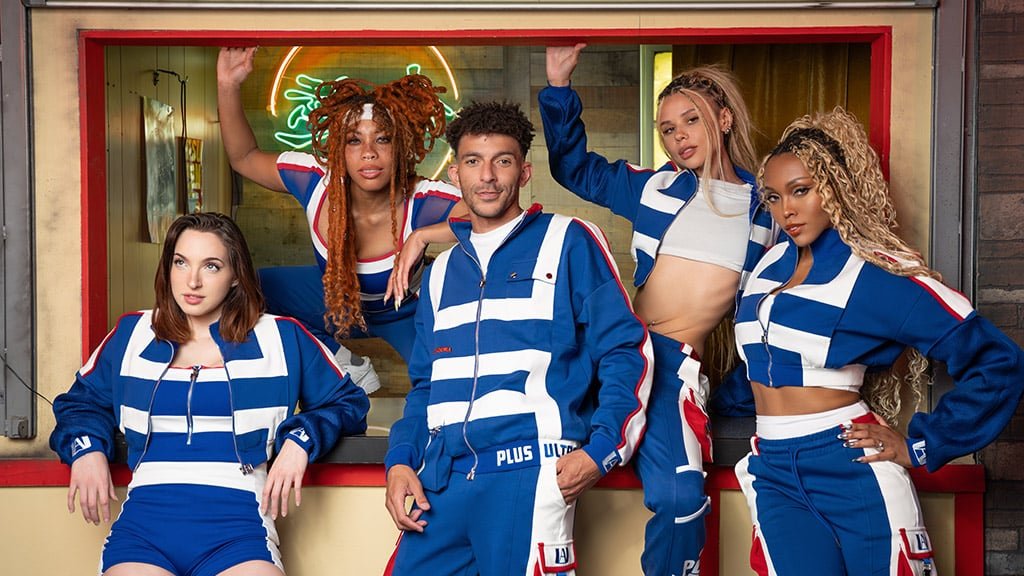
Above: Fira x Wear’s licensed My Hero Academia collection
Show proof of concept
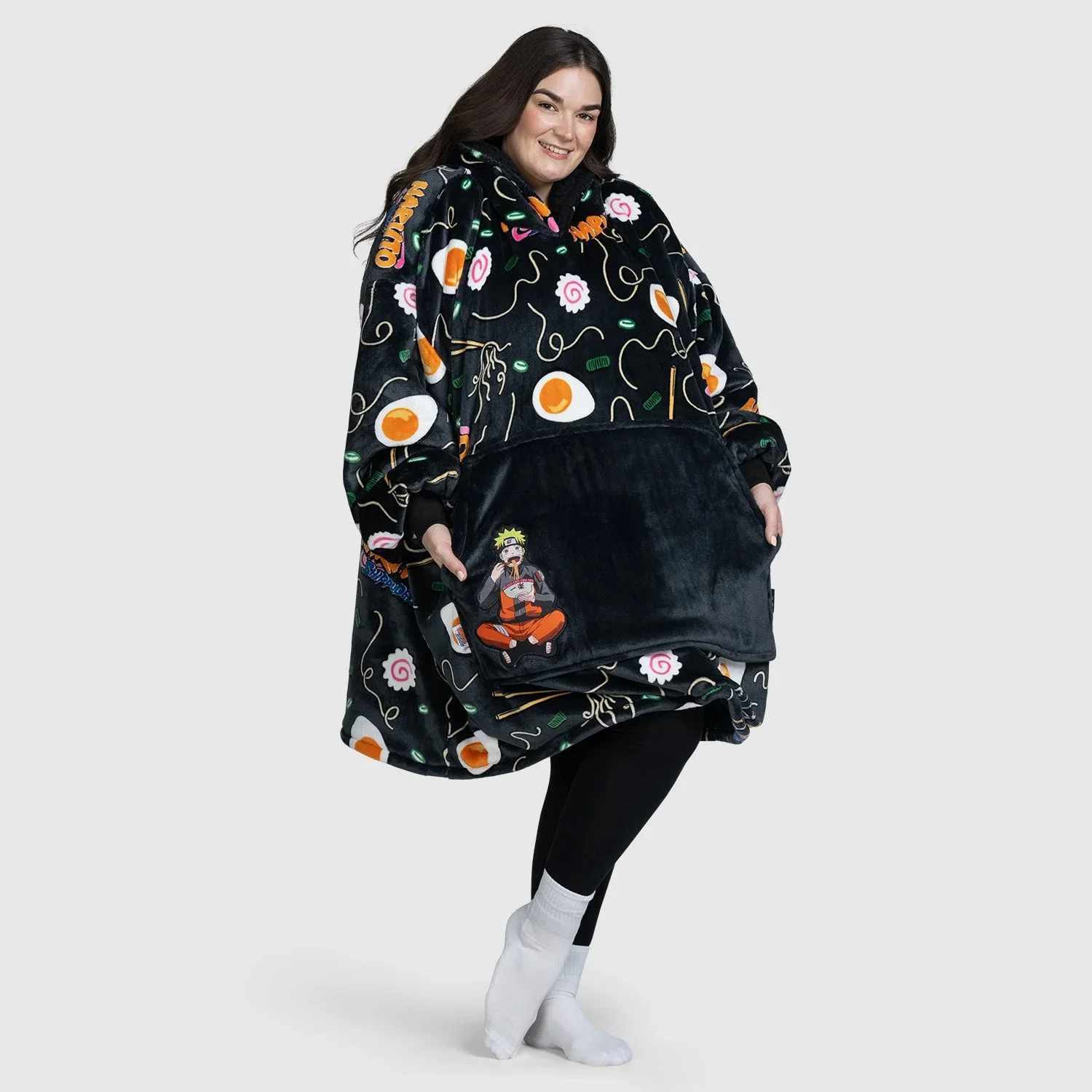
Above: The Oodie’s licensed Naruto product.
Alyssa Gourlay, President of Born to License, says the first thing licensors look for is proof that you know how to launch. How did your last few product drops perform? What marketing supported them? What did you learn?
If you can’t answer those questions with real numbers, you’re not ready to pitch. Davie Fogarty’s advice from The Oodie is to launch an unlicensed version of the product idea first. If it works, that result belongs in your deck.
Forecast honestly
Every proposal eventually comes down to a sales forecast, because the forecast sets the minimum guarantee, the fixed amount you’ll owe whatever you sell. Davie described it as a balancing act. Forecast too low and the licensor won’t take you seriously. Forecast too high and you’ve committed to paying on sales that may never happen.
The answer isn’t to game the number. It’s to build a forecast you can defend line by line from your own data: comparable launches, sell-through, conversion rates and audience size. Licensing teams are measured against their own forecasts, so they can spot a guess. A grounded number with clear assumptions builds the trust that gets a deal signed.
Pitch the right property, not the biggest
Founders often go straight for the biggest names. Alyssa sees that as one of the most common pitfalls. The right property is the one where your audience, your product and the IP fit together in a way the licensor can see immediately.
Hippo Blue’s angle was personalization. A Spider-Man backpack with a child’s name on it, in a background color their parent chose, becomes a one-off product for that child. That gives a licensor a reason to say yes that has nothing to do with scale.
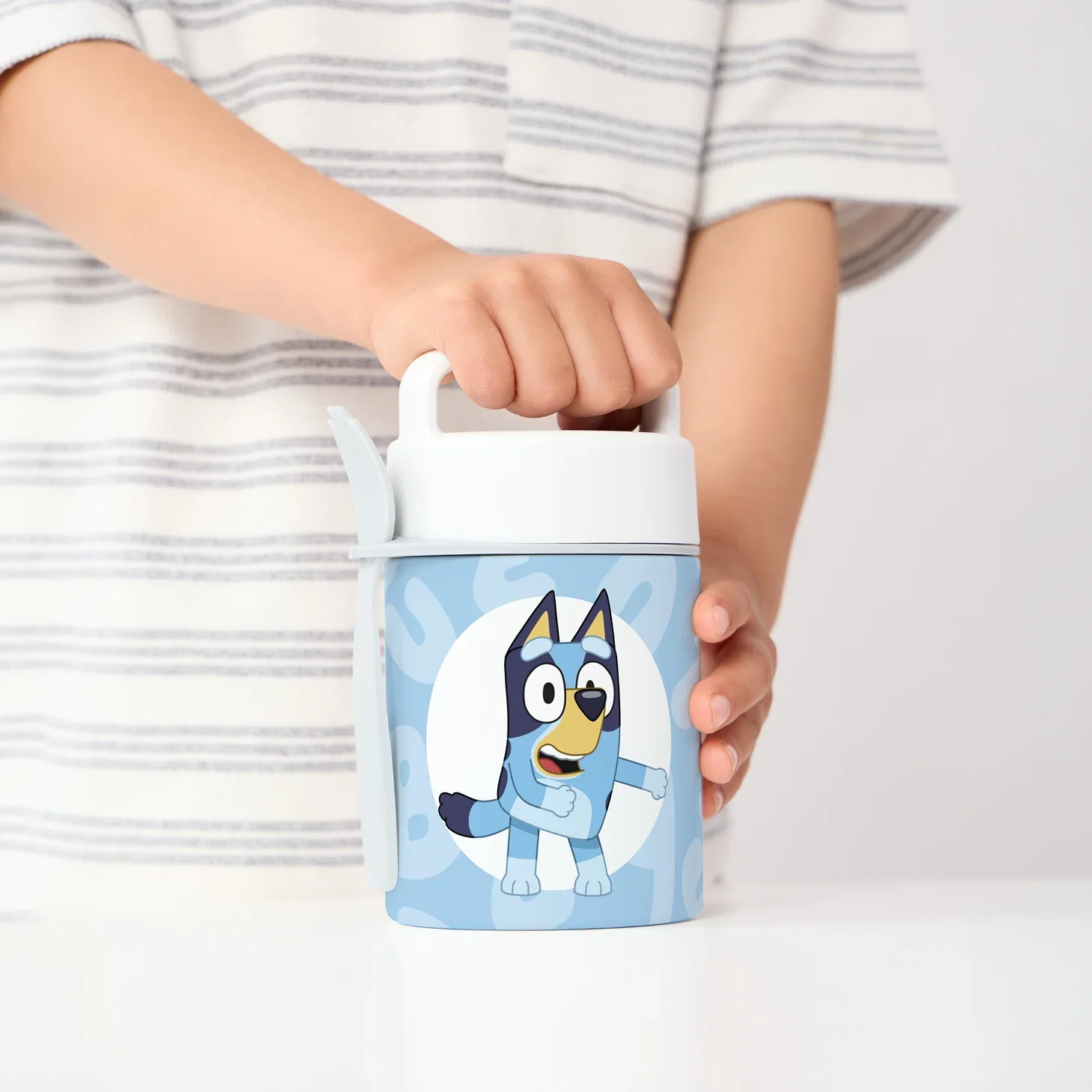
Above: One of Hippo Blue’s licensed Bluey product.
Relationships still open doors
Back to Hippo Blue. After a year of closed doors, Aldo found Born to License and got me on the phone. Within one conversation, I could see Hippo Blue ticked the boxes Disney, Warner Bros. and Paramount look for in a partner. Two of my former colleagues were still at Disney, working with the right people. Hippo Blue had spent a year looking for the door. I could make a call.
That isn’t a trick. It’s what a licensing agency is for. Hippo Blue’s Disney collection, covering Disney, Pixar and Marvel characters, was announced in December 2024 for the Australian and New Zealand back-to-school season. It has since added Star Wars, Stitch, and The Nightmare Before Christmas. On the episode, Aldo described an acquisition campaign that brought in three to four times the new customers of a comparable campaign before the license. The business grew 30% year over year. And Hippo Blue has just launched Bluey, well ahead of the Bluey film’s cinema release on August 6, 2027.
The Bottom Line
Licensors aren’t looking for the biggest company in the room. They’re looking for the partner least likely to damage their brand or miss their forecast, and most e-commerce founders bury the evidence that they’re that partner under an apology for not being in Walmart. Lead with what online gives a licensor that retail can’t: speed, reach, room to test and a direct line to real customers. Back it up with data you own, a record of successful launches and a forecast you can defend. Choose a property your product fits so naturally that the licensor sees it straight away. And if the door still won’t open after all that, the problem probably isn’t your business. You just haven’t reached the person who can open it.
want to connect?
The Born Perspective is one part of a bigger conversation. If you want more, you can find me on LinkedIn for industry commentary, Instagram for what's happening day to day, and YouTube and the Born to License Podcast for deeper dives into the world of licensing. Pick your platform. I'll be there.
Explore the Born Collective
Everything I build connects back to licensing. Here's where to go depending on what you need: