
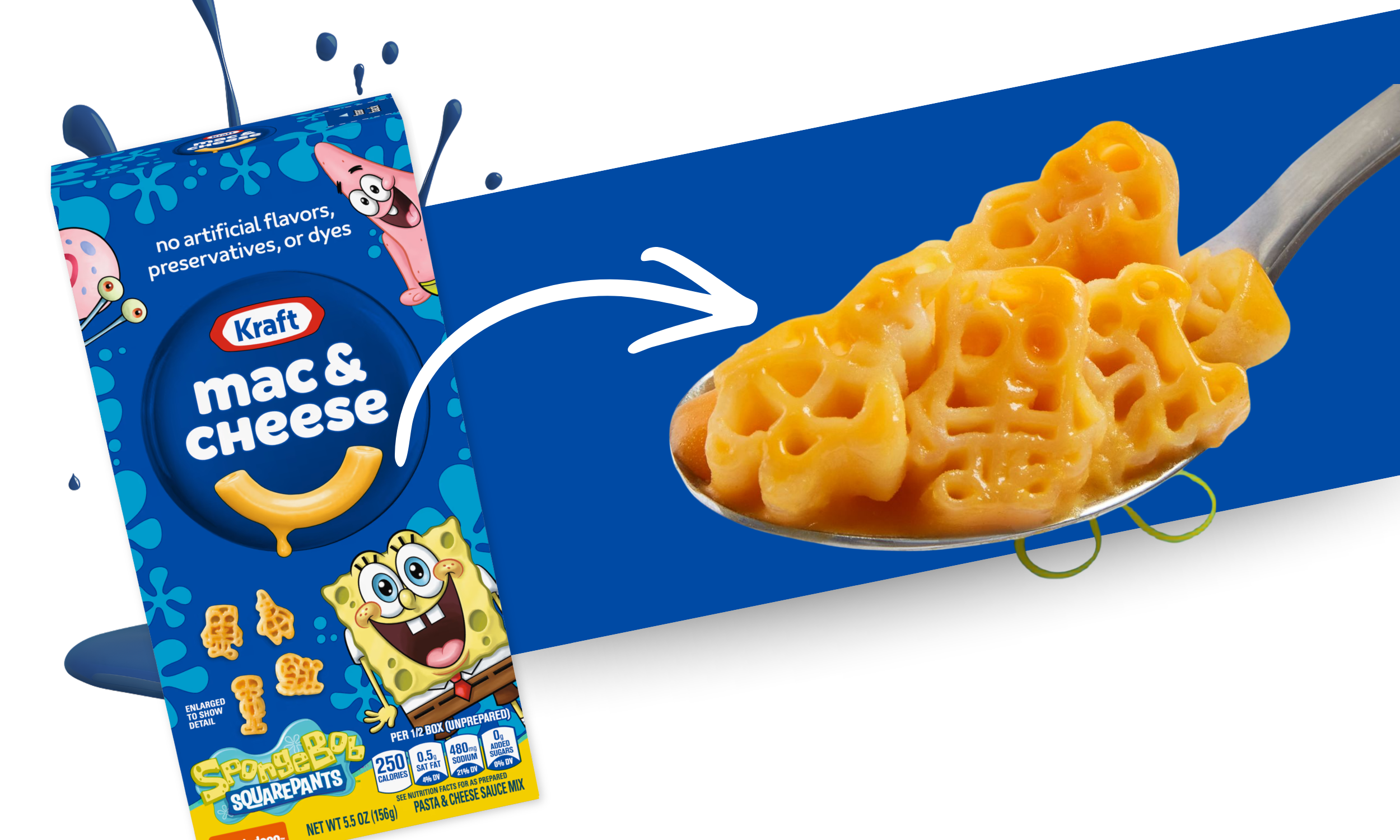
Above: Kraft’s Mac & Cheese product incorporates the SpongeBob license until consumption through shaped pasta pieces
Imagine buying a box of pasta with a character on the front. You get home, tip the pasta into a saucepan of boiling water and throw the box in the bin. At that moment the license is gone. The child eating the pasta has no idea they were ever licensed.
A lot of FMCG licensing works exactly like that, and many brands never ask the question that exposes it. Everyone tests a licensed product at the shelf: does it stand out, does it sell through, does the buyer like it? Almost nobody tests what happens after the box is opened. The best supermarket licenses pass that test. Many fail it.
Packaging rents attention. Product owns the experience.
Putting a character on a pack is the default for a reason. It's fast, it's relatively cheap, approvals are simpler and you can switch properties when the next big release comes along. For a seasonal promotion, that flexibility is useful.
But a pack-only license is rented attention. It works for a few seconds in the aisle and then it ends. It does nothing for the eating experience, nothing for the child at the table, and nothing to make the next purchase more likely than the last one. In a category where the whole business model is repeat purchase, that is a serious limitation.
When I visited supermarkets in Brazil, the UK, the US and Australia for the Licensing + FMCG episode of the Born to License podcast, the products that impressed me most were the ones where the license kept working after the pack was gone. At Walmart I found Pokémon-shaped Goldfish crackers, Toy Story-shaped cookies and SpongeBob pasta. In Australia, Maxibon launched the Upside Down Bon with Stranger Things: chocolate biscuit at one end, red chocolate at the other, so the product itself tells the story. Characters printed directly on nappies do the same job in a completely different aisle.
None of this is new. At Warner Bros. Consumer Products Australia, one of our leading products was a Scooby-Doo fruit snack shaped like Scooby's head, with a collectible magnet in the pack. That is licensing right up until the moment of consumption.
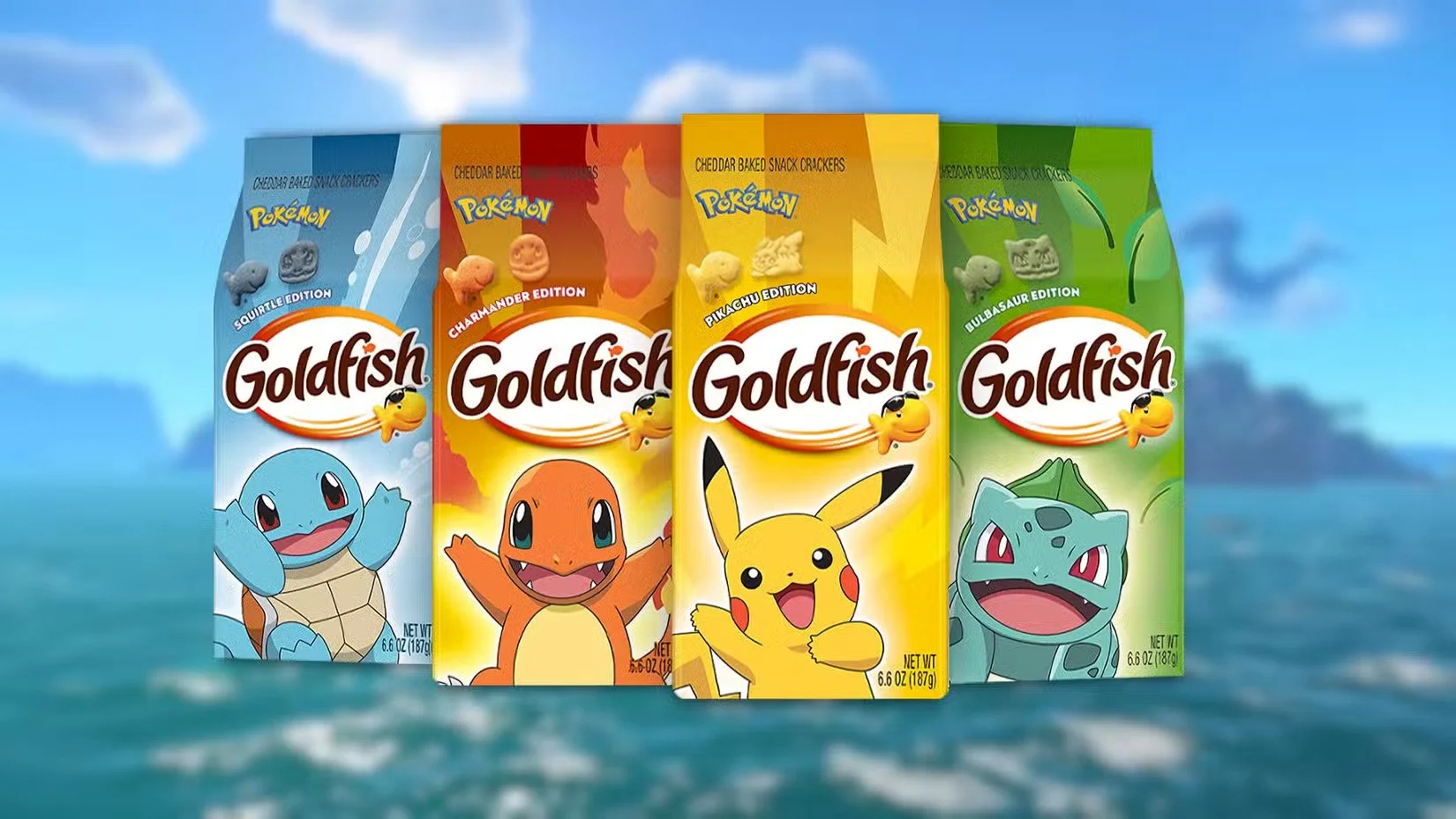
Above: Goldfish’s Pokémon biscuits are shaped like the characters.
Three levels of licensed FMCG
I find it useful to think about licensed FMCG on three levels, each with a different cost and a different payoff.
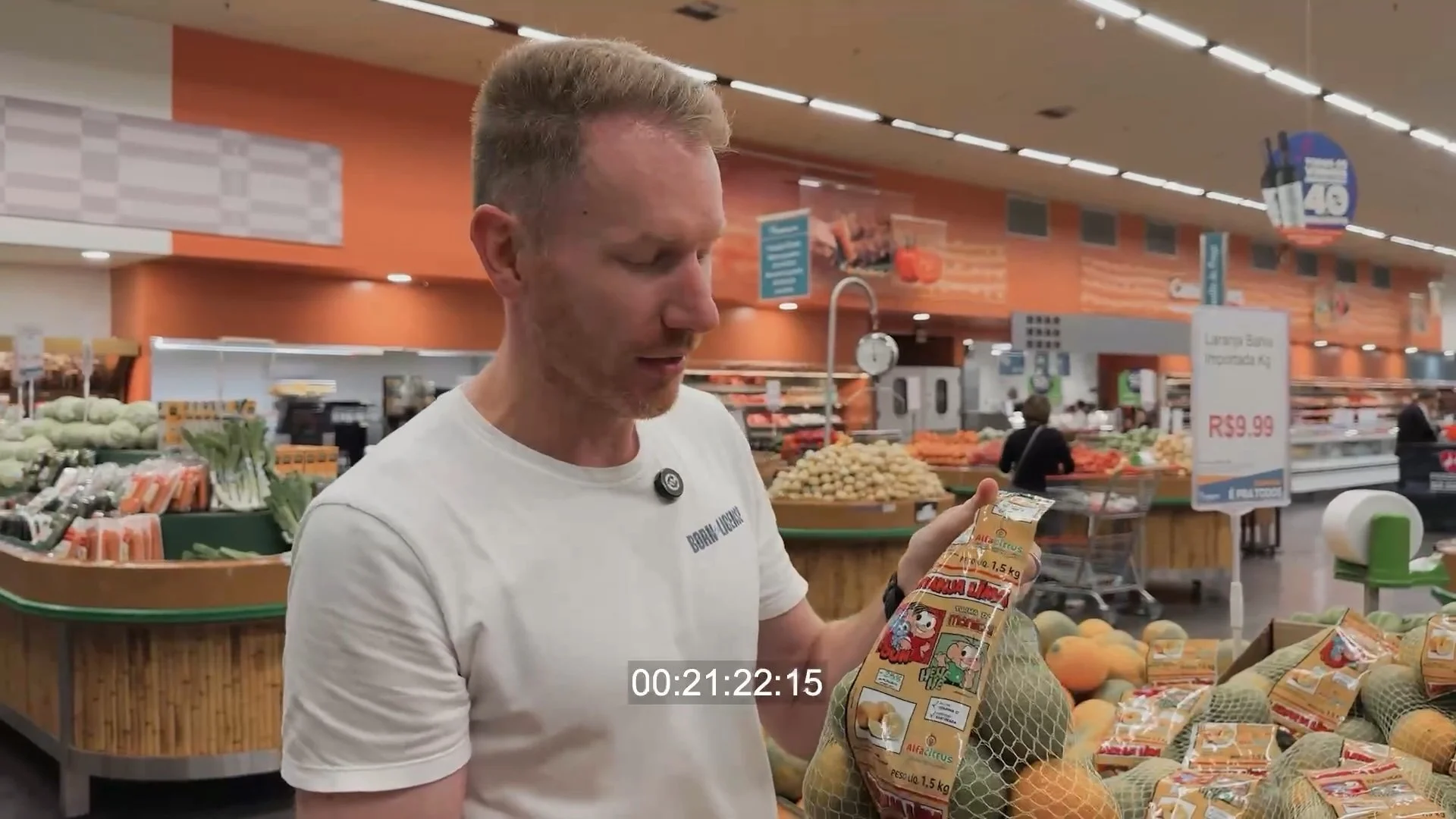
On-pack is artwork only. It drives shelf impact and is the cheapest and most flexible option. In Brazil I came across some packs of fruit that licensed popular local IP Turma da Mônica. But once the bag of fruits are opened and the packaging is thrown away, the license has disappeared.
In-pack adds something the consumer keeps: a collectible card, a magnet, a sticker, a cake topper. At Tesco I saw collectible cards in SpongeBob snacks and cake toppers in baking kits. In-pack extends the license beyond the box and adds a collecting reason to buy again.
In-product is where the IP becomes the product itself, through shape, flavour, colour or print. This is the hardest level to execute and the most valuable. The license is present at the moment of consumption, which is where brand memory is actually formed.
The trade-off is real
If in-product licensing is so effective, why isn't everyone doing it? Because it costs more in every way that matters to an FMCG operator.
Shaped products need tooling. New flavours and formats mean longer development timelines. Approvals are tougher, because a rights holder will look much harder at a character's face reproduced in an extruded snack than at a piece of approved artwork on a box. And once you've invested in the tooling, you are locked into that property. You can't swap characters next year without starting again.
That last point explains a lot about what wins in the supermarket. Evergreen characters always win here, because they are the only properties that justify a multi-year capital investment. When I was back in an Australian Woolworths, Scooby-Doo was still in lunchboxes, years after I first worked on him. Minions, Toy Story, Paw Patrol and Bluey were everywhere. These are properties a manufacturer can build a production line around.
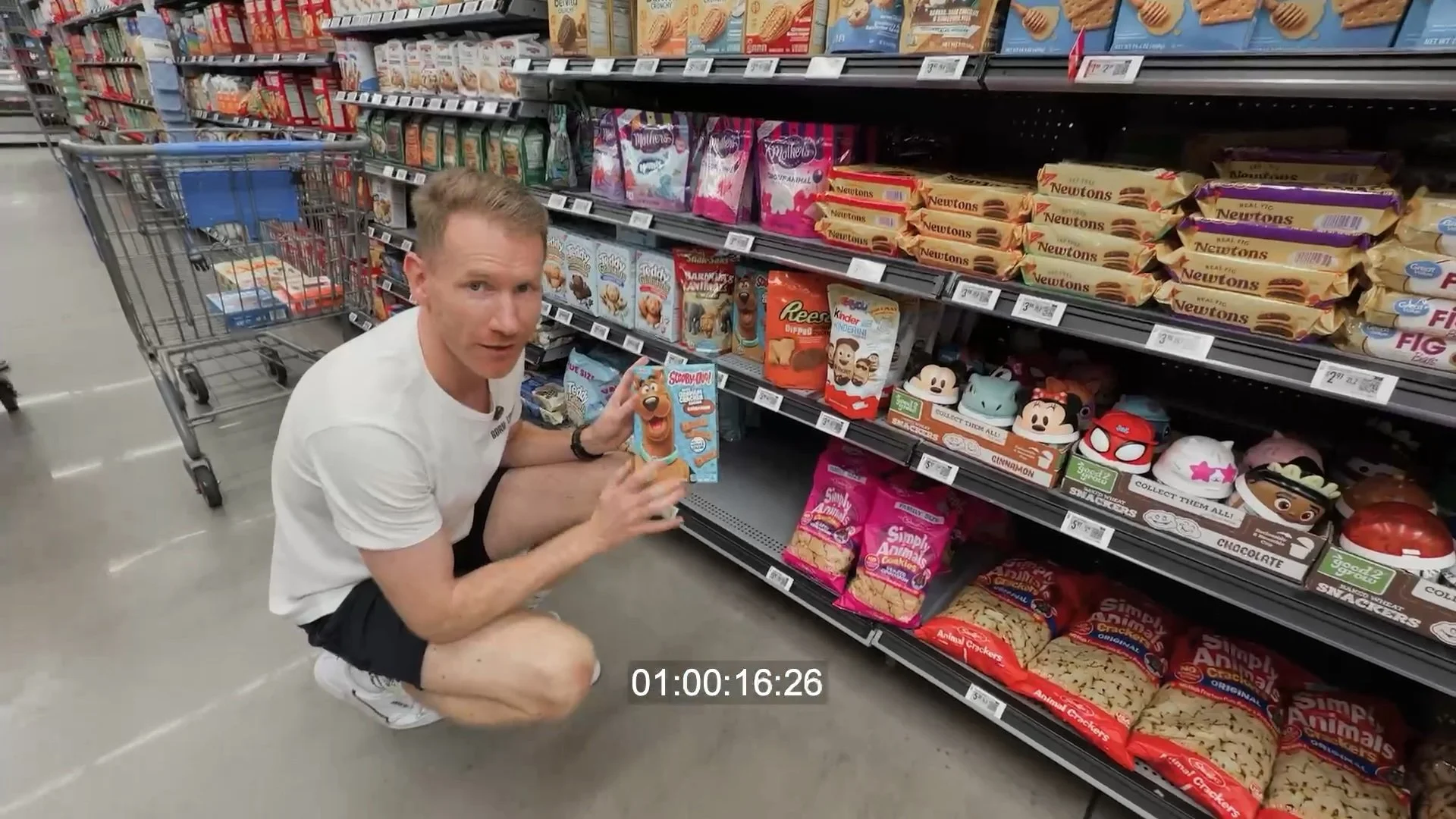
Above: Scooby-Doo is still going strong in the supermarket aisles. This product is shaped like Scooby snacks!
What this means for the deal
Running the after-the-box test changes how a licensing deal should be structured, on both sides.
For licensees, an in-product license needs a term long enough to recover the tooling and development cost. Approval timelines for product shapes and flavours need to be considered.
For rights holders, in-product partners deserve different treatment. A licensee prepared to build tooling around your character is making a long-term bet on your property. That is a serious commitment.
For both, the right question at the start of the deal is not 'which character is hottest?' It is 'which character will still be worth this investment when the tooling is paid off?'
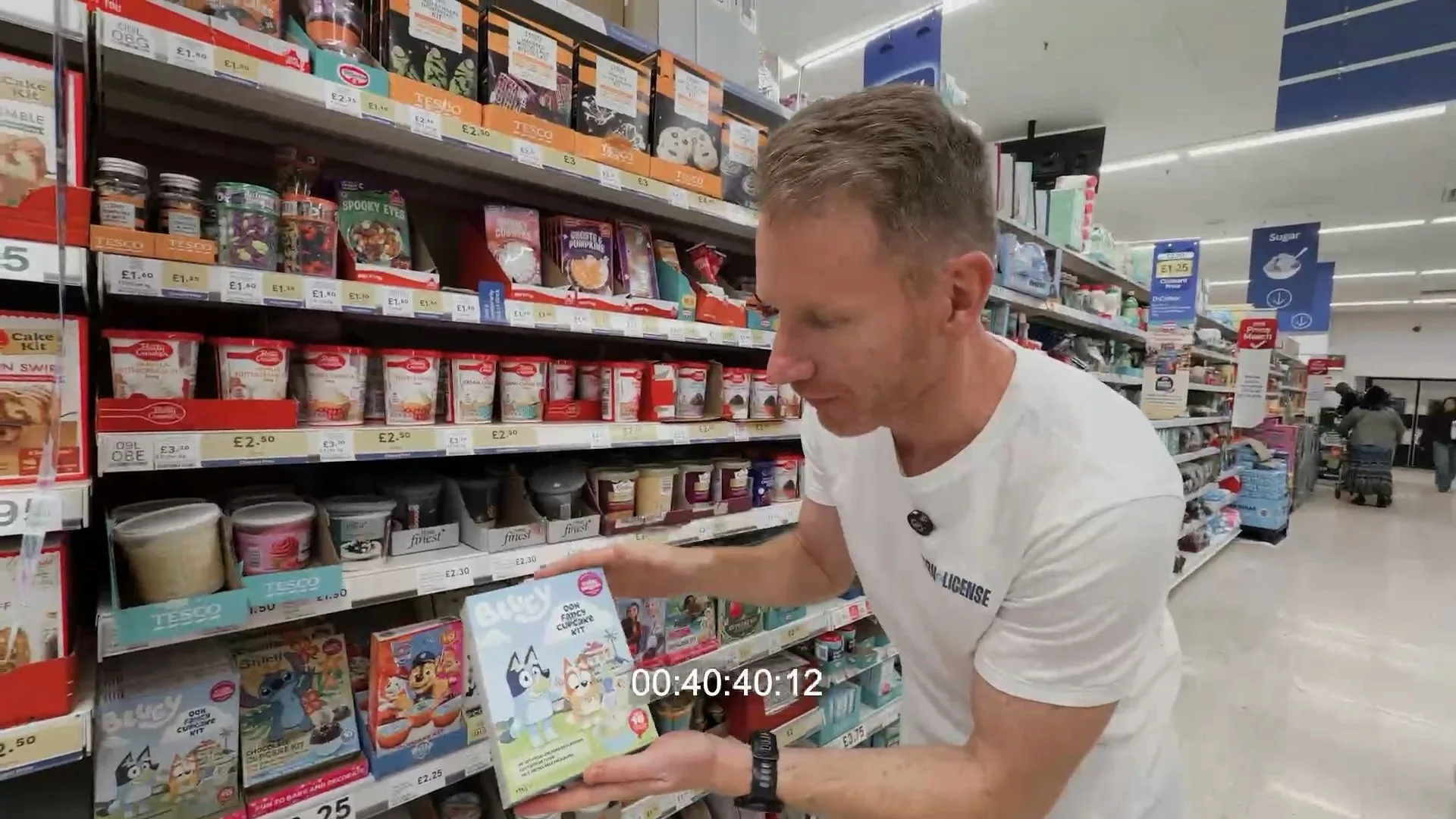
Above: Make and bake kits often have activities inside and toppers that allow the license to stay with the consumer up until consumption.
The Bottom Line
A license that ends up in the bin isn’t giving the consumer the full experience. The packaging gets you noticed, but the product is what people remember, and in a category built on repeat purchase, memory is what pays. The brands that get the most from FMCG licensing design the license into the product itself, choose properties with staying power, and structure deals that reward that commitment. So before you sign your next food or drink license, run the test many brands skip: tip the product into the bowl, throw the box away, and ask what's left. If the answer is nothing, you haven't built a licensed product. You've bought some artwork.
want to connect?
The Born Perspective is one part of a bigger conversation. If you want more, you can find me on LinkedIn for industry commentary, Instagram for what's happening day to day, and YouTube and the Born to License Podcast for deeper dives into the world of licensing. Pick your platform. I'll be there.
Explore the Born Collective
Everything I build connects back to licensing. Here's where to go depending on what you need: