Licensing Is a Moat: Buried in the Paramount-Warner Antitrust Complaint
On July 13, twelve states sued to block Paramount Skydance's $110 billion acquisition of Warner Bros. Discovery. The next day, the Writers Guild filed a separate suit to stop the same deal. The Department of Justice, for what it's worth, had already cleared the merger in June with no concessions required. Federal regulators say it's fine. A coalition of states and a major union say it's the biggest antitrust problem Hollywood has seen in a generation.
That fight will get the headlines, and it's worth watching. But it's not why I'm writing this.
Buried much deeper in the states' complaint is a single paragraph that has nothing to do with theater chains, cable carriage fees, or box office splits. It's the paragraph explaining why a new competitor could never simply enter the market and start producing tentpole films to replace the competition this merger would remove. And the reasoning has nothing to do with visual effects budgets or soundstage capacity, though the complaint mentions those too. The states point somewhere else entirely: a new entrant, they argue, could never build at scale, in any reasonable timeframe, the international distribution, theme park attractions, and consumer products licensing that these films depend on to get made.
Read that again. A group of state attorneys general just told a federal judge that owning decades of consumer products licensing infrastructure is a genuine competitive moat. Not a nice-to-have. Not a side business. A structural reason a $200 million franchise film gets greenlit in the first place, and a structural reason nobody else can compete with the studios that already have it.
That's the whole argument of this piece, and it's worth sitting with, because it's not something our own industry has ever said about itself with this much authority.
The story we've been telling backwards
The traditional narrative around film licensing goes like this: a movie comes out, it does well, merchandise sells off the back of that success, and licensing captures some additional revenue downstream of the real business. It's a royalty check that shows up after the work is done - usually dwarfed, in both size and headlines, by the film itself.
If the states are right, that story has the sequence backwards. Licensing isn't just downstream of the box office. In a real number of cases, it's part of what makes the box office possible at all - because it's part of the revenue case that gets a film financed in the first place. Nobody green-lights a $200 million tentpole on ticket sales alone. The studios that keep making these films are the ones with theme parks, international licensing networks, and decades of consumer products infrastructure sitting behind the greenlight meeting. That infrastructure is what makes the math work. Remove it, and you don't just lose a revenue stream - you lose the ability to finance the film in the first place.
That's a very different claim than "licensing is a nice ancillary business." It's a claim that licensing is embedded in the capital structure of the content itself.
The pattern is already showing up everywhere else
You don't need an antitrust complaint to see this playing out. It's visible right now, in real numbers, across four completely different businesses.
AMC went from selling collectible popcorn buckets tied to nine films in 2023 to more than 40 this year. Cinemark, Marcus, Regal, and B&B have all followed. AMC's own VP of food and beverage strategy has said publicly that attendance measurably increases when a popular bucket drops. Sit with that: a piece of consumer product merchandise is functioning as a reason to buy a ticket, not a reward for having bought one.
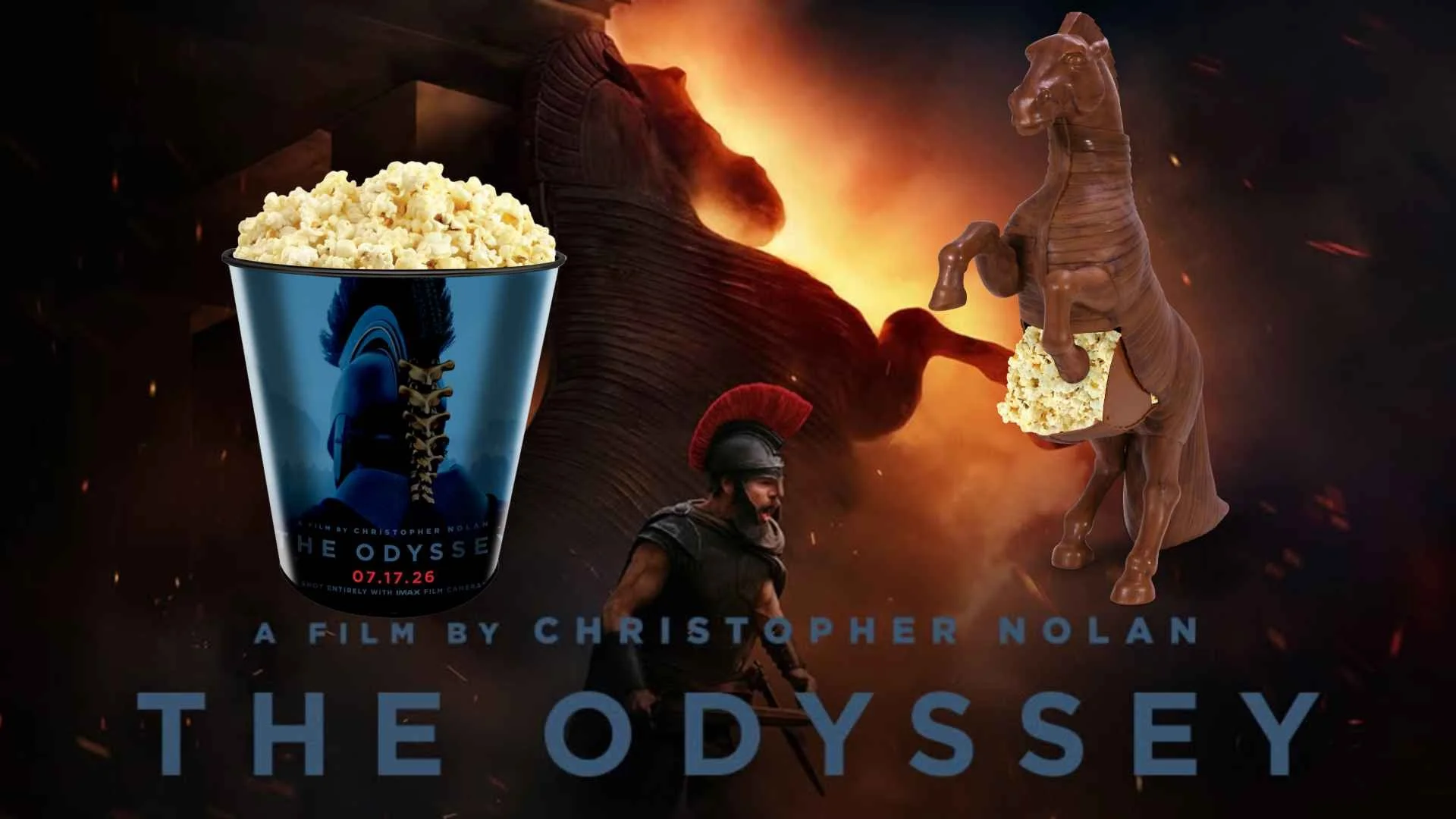
Above: The Odyssey Trojan Horse popcorn bucket
Disney said something close to this directly in their most recent shareholder letter, describing their competitive strength as the ability to build franchises into what they called a multi-decade relationship with an audience - one spanning platforms, geographies, and generations. That's not a statement about content quality. It's a statement about everything that keeps a franchise alive in someone's head between seasons: the toy on the shelf, the ride at the park, the plush a kid drags around the house for two years. That's licensing doing marketing work Disney+ never has to pay for directly.
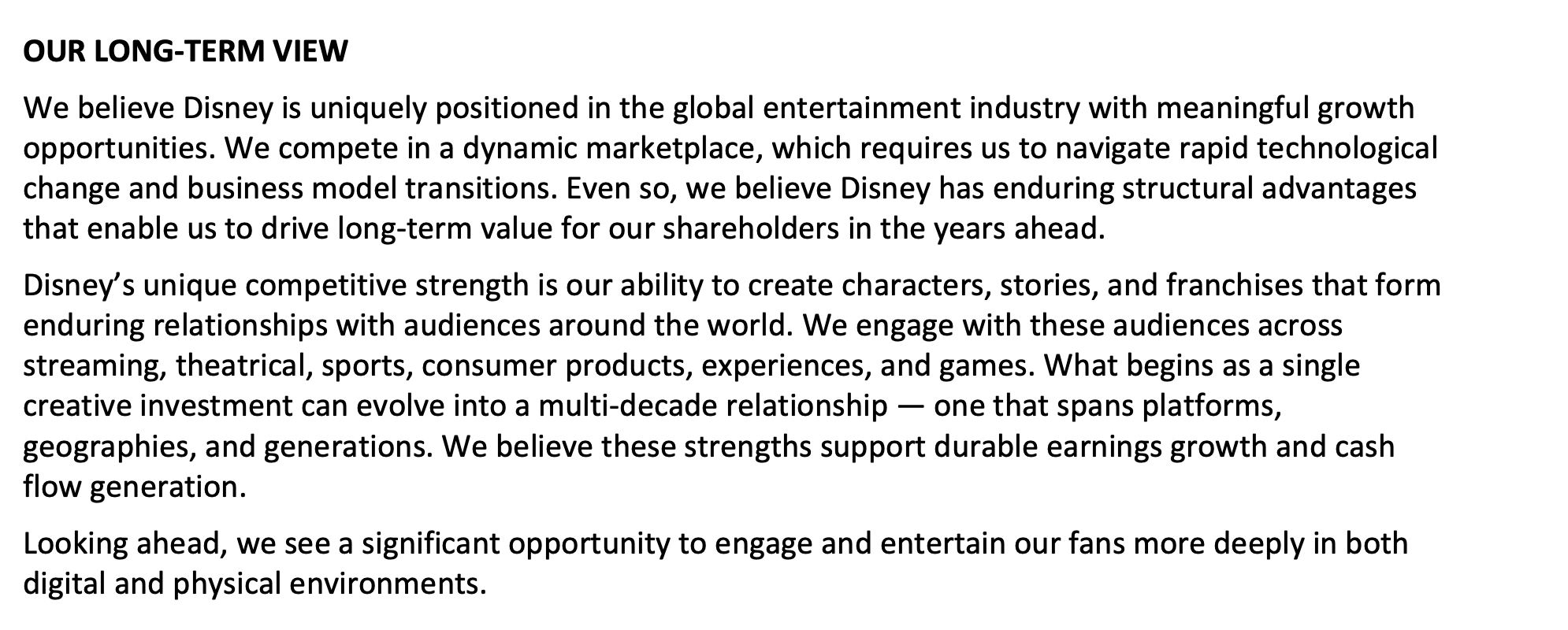
Above: an excerpt from Disney’s Q2 FY26 earnings shareholder letter
BBC Studios gives you the cleanest version of the inverse relationship. Content investment this past year dropped from around £200 million to about £154 million. In that same year, the division housing licensing and consumer products saw earnings jump 42%, driven specifically by Bluey partnerships and merchandise. Content spending went down. Licensing-driven earnings went up. That's about as clean a piece of evidence as you'll find that merchandise isn't just riding a show's popularity - it's actively sustaining audience engagement and subscriptions even when new episodes slow down.
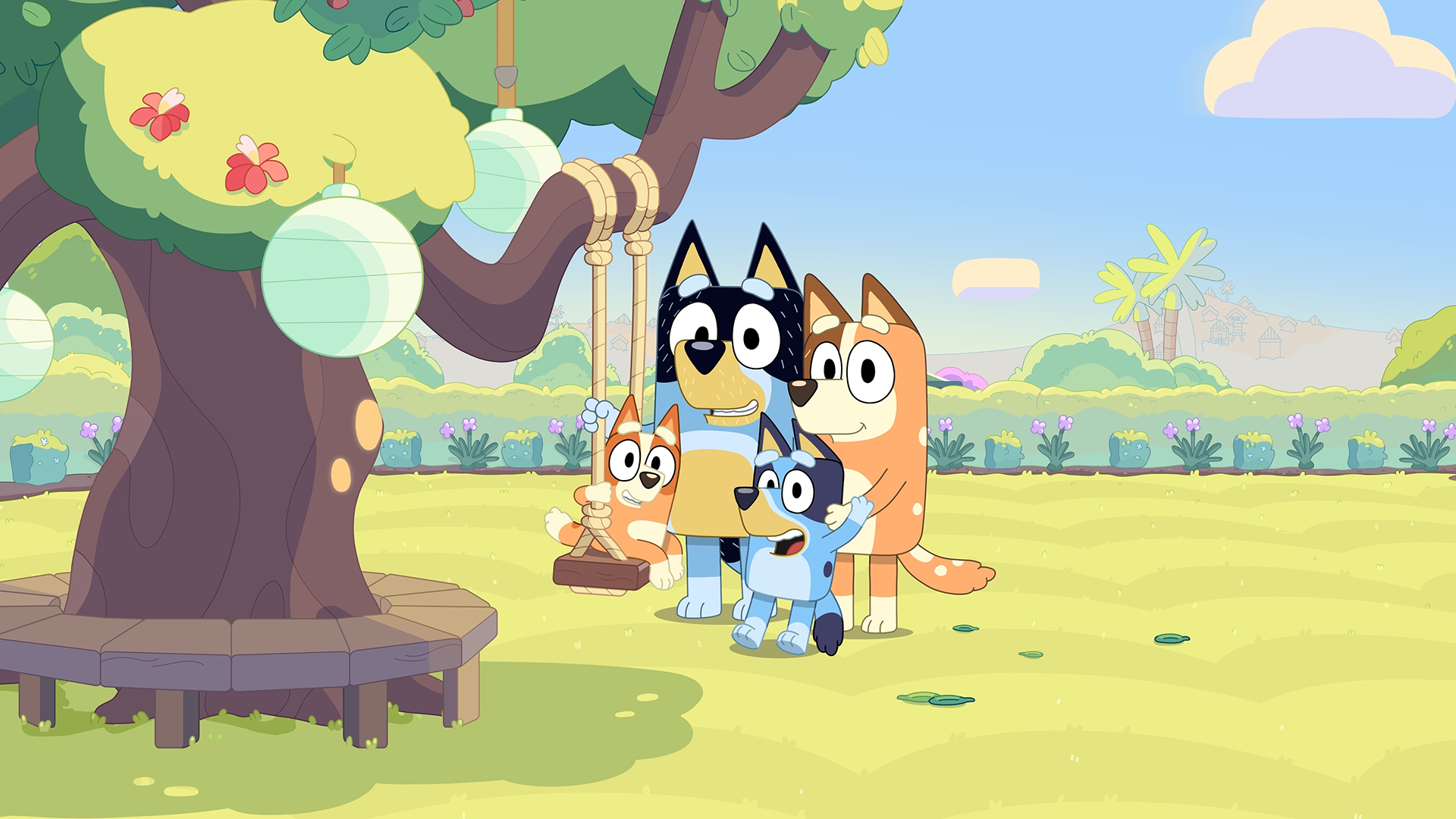
Above: Bluey helped BBC Studios licensing and consumer products earnings jump 42%
And then there's the case that flips the sequence entirely. Pop Mart, the company behind the Labubu figures, saw revenue jump 185% in a single year - almost entirely on merchandise built around a character that started life as an illustration in a picture book. That success is now large enough that Pop Mart is producing a Labubu feature film with Sony Pictures. Usually we say content creates the licensing opportunity. Here, the licensing program came first, proved a market existed, and is now bankrolling the content everyone assumes should have come before it.
It's not an isolated story either. Sony bought a 41% stake in Peanuts for $450 million, valuing the franchise at $1.1 billion - licensing Peanuts, I said at the time, isn't like borrowing a library book, it's like borrowing the Mona Lisa, and the Louvre is watching everything you do with it.
When an operator says it plainly
Occasionally someone in a decision-making seat says all of this without dressing it up. Authentic Brands Group just signed a deal to acquire the Care Bears franchise - a brand on track to do more than $750 million in retail sales this year. When ABG CEO Corey Salter explained why the deal made sense, he didn't lead with nostalgia or storytelling potential. He described Care Bears as arriving with more than 500 licensing partners and a devoted, growing fan base.
Read the order of that sentence again. The licensing network came first. Not the content pipeline. Not the fan sentiment as an abstract asset. Five hundred licensing partners. That's what Corey Salter was actually buying, and he said so plainly, because at that price point there's no incentive left to pretend otherwise.
Above: Authentic Brands Group has acquired Care Bears
What this means if you own IP or run a licensing program
If you're a brand owner or a founder sitting on IP, the lesson isn't "add a merchandise line." It's that licensing, executed with real intent, is not a monetization afterthought bolted onto a successful property. It can be - and increasingly is - part of the infrastructure that makes a property viable in the first place. That changes how you should think about sequencing. It changes what you pitch to financiers, partners, or acquirers. And it changes what you should be measuring, because royalties and retail sales were never the whole picture. The real value of a licensing program shows up in someone else's numbers - box office, subscription retention, app downloads, theme park attendance - and most operators never claim credit for it because they were never taught to look for it there.
If you run a licensing program and you've been struggling to get a seat at the strategic table inside your own organization, this is your evidence. Not a trade publication. Not a keynote. Twelve state attorneys general, arguing in federal court, that this business is a structural competitive advantage worth litigating over.
listen to the podcast
The Bottom Line
Licensing has never just been the royalty check that shows up after the real business happens. In a growing number of cases — and now, apparently, in the eyes of state regulators — it's the reason the real business happens at all. The industry has a communication problem, not a value problem. We keep measuring ourselves in royalties and retail sales, and by that measure we already look substantial, just smaller than box office or streaming. But our real value doesn't show up in our own numbers. It shows up in someone else's. It's time we started claiming credit for it.
want to connect?
The Born Perspective is one part of a bigger conversation. If you want more, you can find me on LinkedIn for industry commentary, Instagram for what's happening day to day, and YouTube and the Born to License Podcast for deeper dives into the world of licensing. Pick your platform. I'll be there.
Explore the Born Collective
Everything I build connects back to licensing. Here's where to go depending on what you need: