The Only Oscar That Matters to Licensing
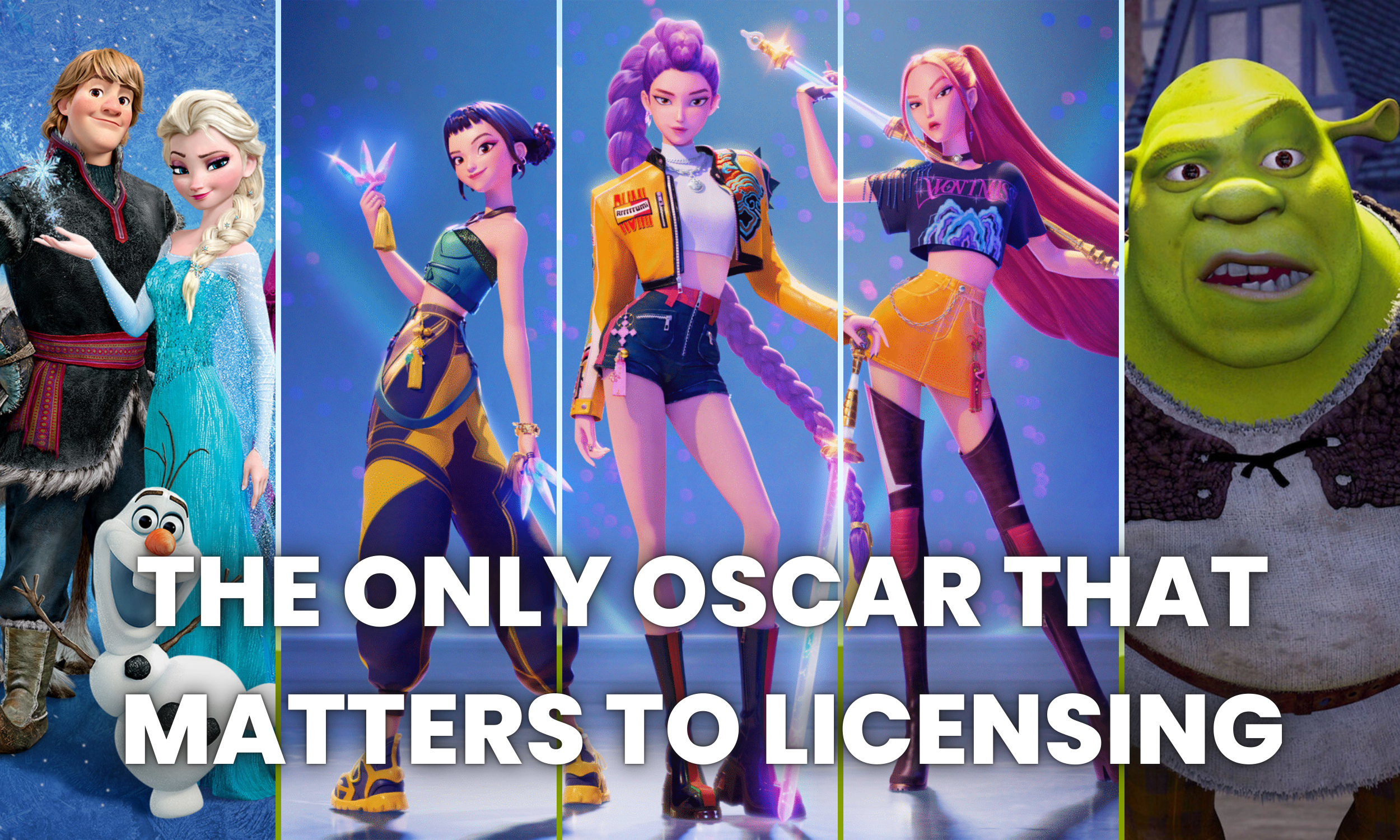
The Oscars, Licensing, and Where the Real Opportunity Lives
I recorded the latest episode of the Born to License podcast before the 98th Academy Awards ceremony. I made my predictions on air, went on record backing K-Pop Demon Hunters for Best Animated Feature, and published the episode knowing the results would already be in by the time most people listened.
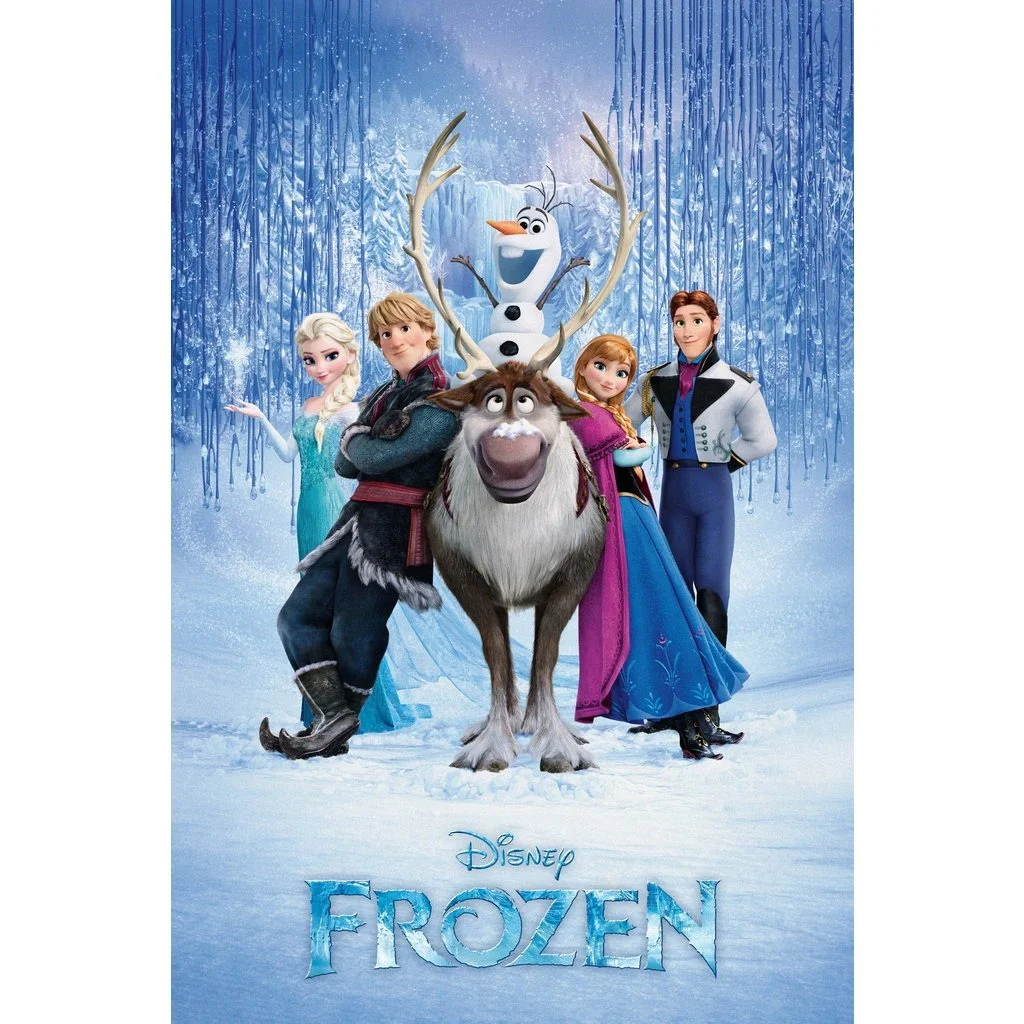
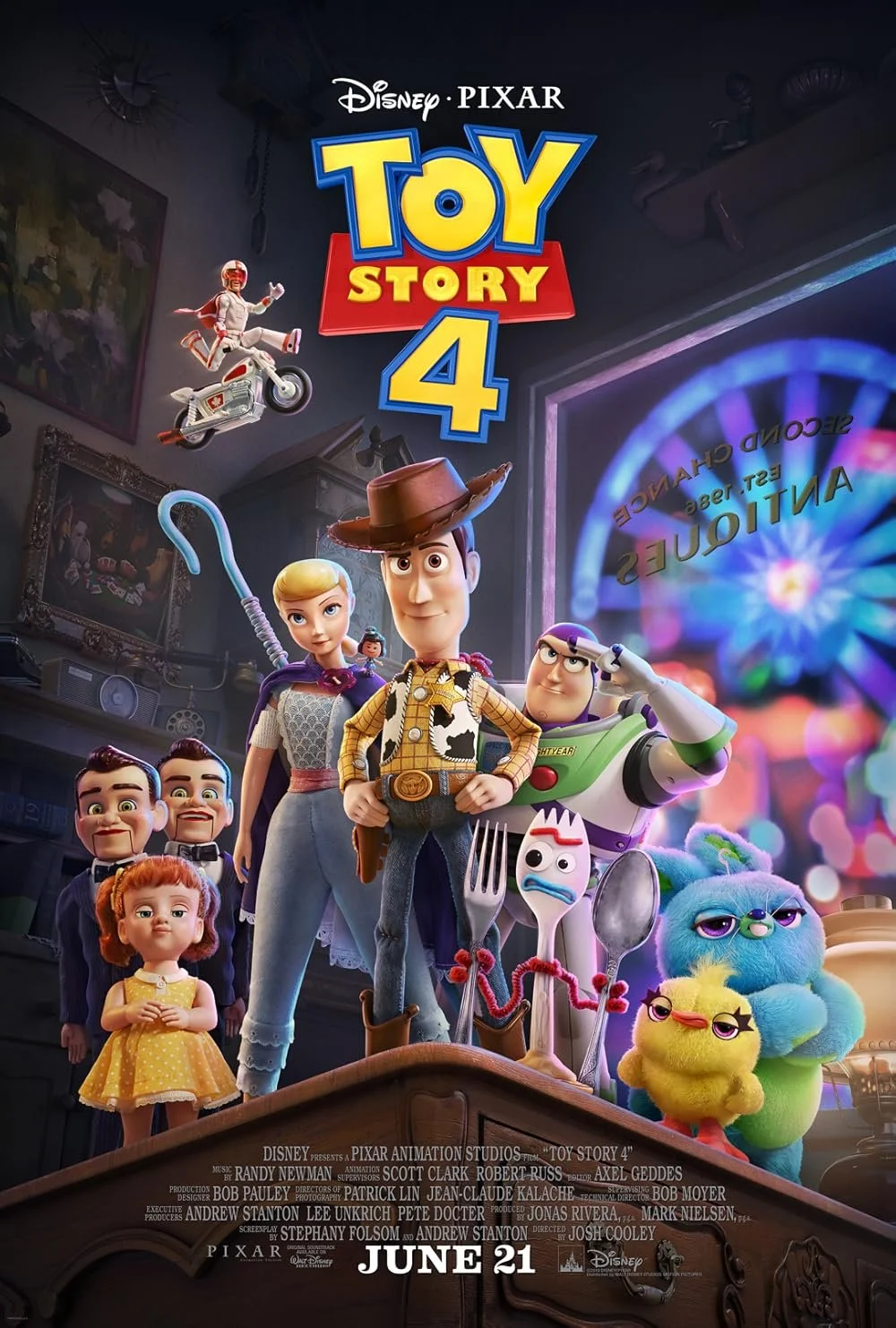
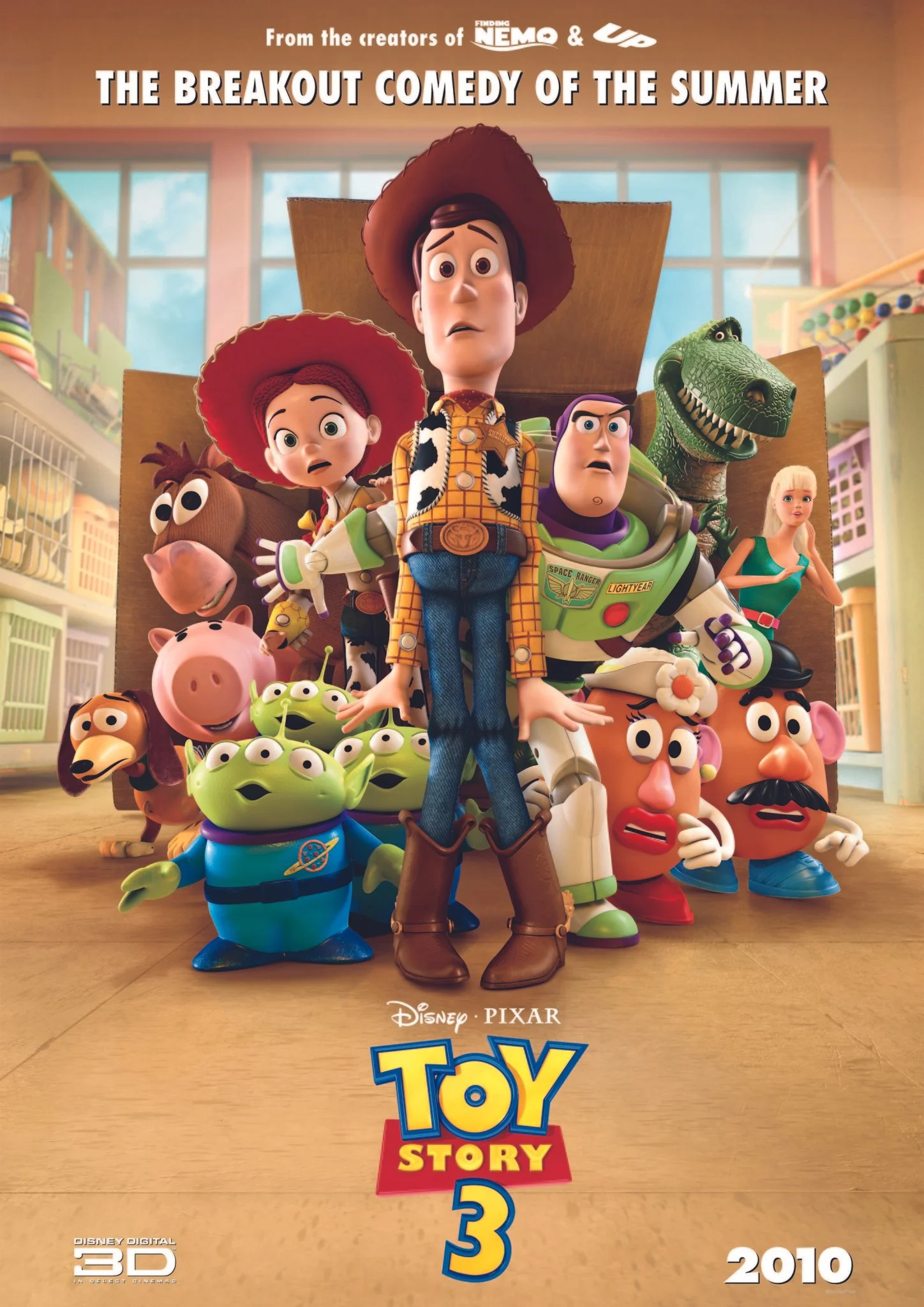
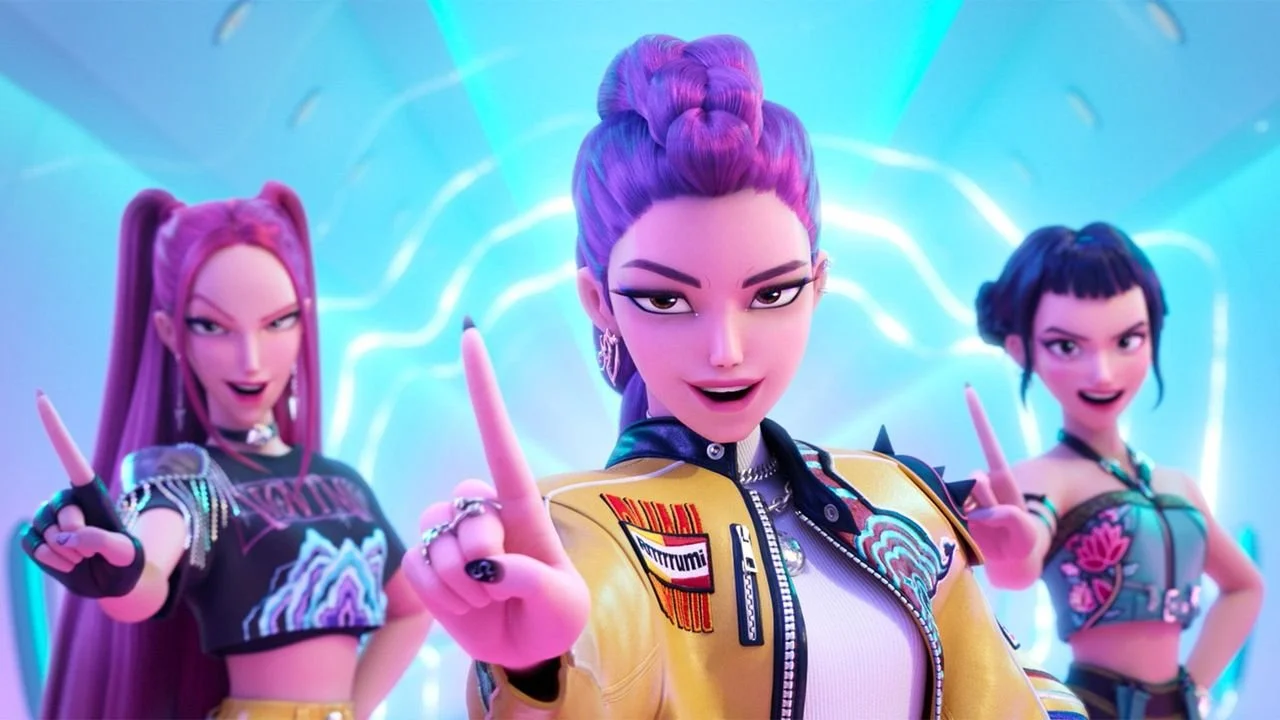
K-Pop Demon Hunters won. And it didn’t just win Best Animated Feature - it also took Best Original Song for “Golden.” A double winner. Only the fourth film in history to achieve that, alongside Toy Story 3, Frozen, and Coco.
The prediction was not difficult. The odds were 93 per cent in its favour. But the outcome is useful - not because I called it, but because of what it confirms about where the licensing industry should be paying attention.
Best Picture is Hollywood’s most prestigious award. It dominates the cultural conversation, shapes careers, and fills column inches for weeks. But it almost never builds a consumer products business. The history is clear on this.
Think back through recent Best Picture winners. Anora. Oppenheimer. Everything Everywhere All at Once. Three culturally significant films. Three properties with essentially zero licensing footprint. To find a Best Picture winner that supported a serious licensing program, you have to go back to 2003 - The Lord of the Rings: The Return of the King. Before that, Gladiator in 2000. Titanic in 1997. And even those films built their licensing success largely after the theatrical moment, not because of the award. The Oscar didn’t create the commercial opportunity. The IP did.
This year’s Best Picture race featured extraordinary films. Sinners set an all-time record with sixteen nominations. One Battle After Another came in with thirteen. I’ve seen both. They are genuinely great cinema. But neither has a meaningful consumer products program. That was predictable before the ceremony, and it remains true after it.
So if Best Picture isn’t where the licensing industry should be looking, where should it be?
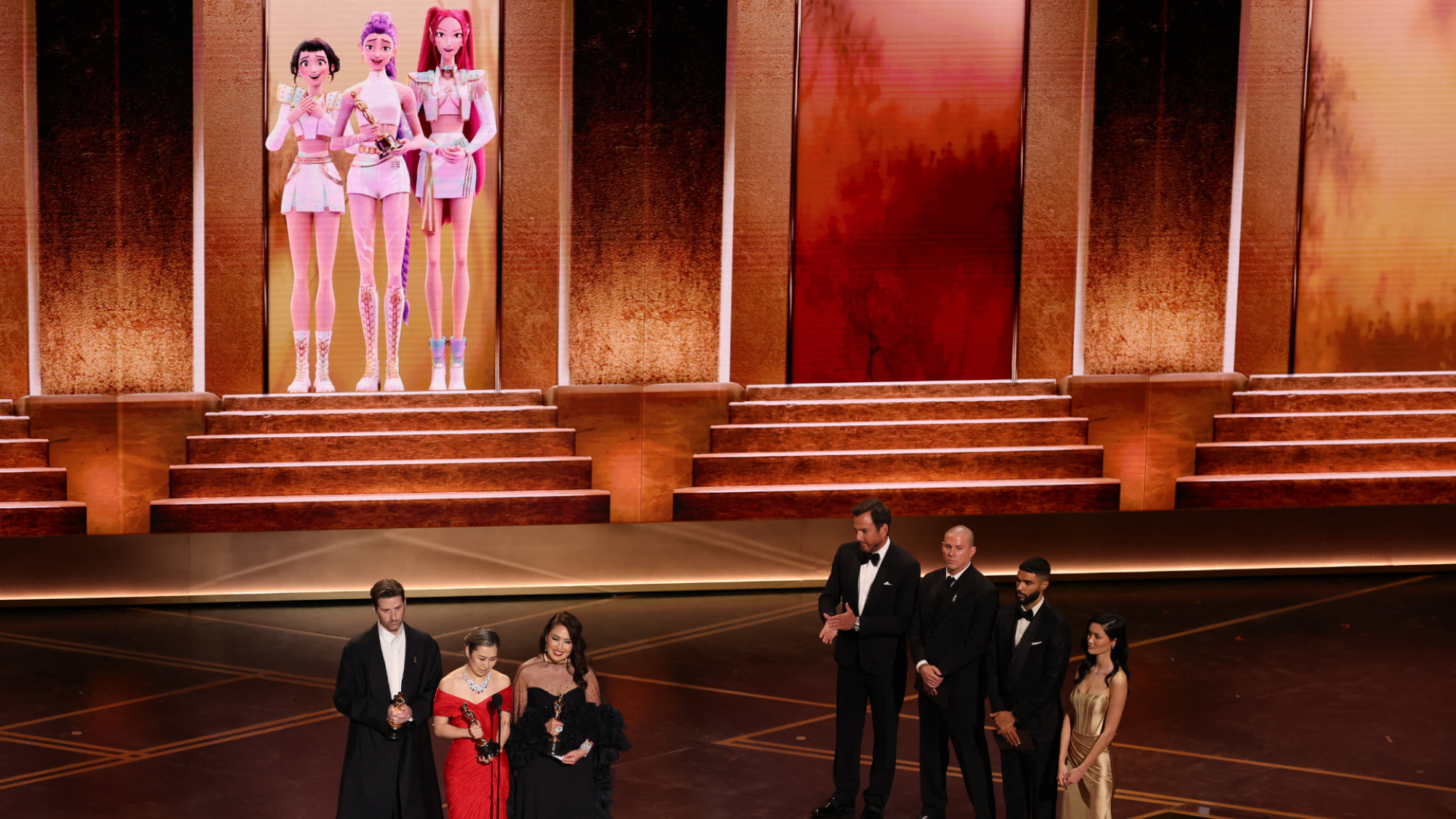
KPop Demon Hunters took home the 2026 Oscar for Best Animated Feature
The Category That Actually Matters
Best Animated Feature.
I’ve said it before and I’ll keep saying it. This is the most commercially significant category in the entire Oscar ceremony from a licensing standpoint - and it is almost always treated as a supporting act.
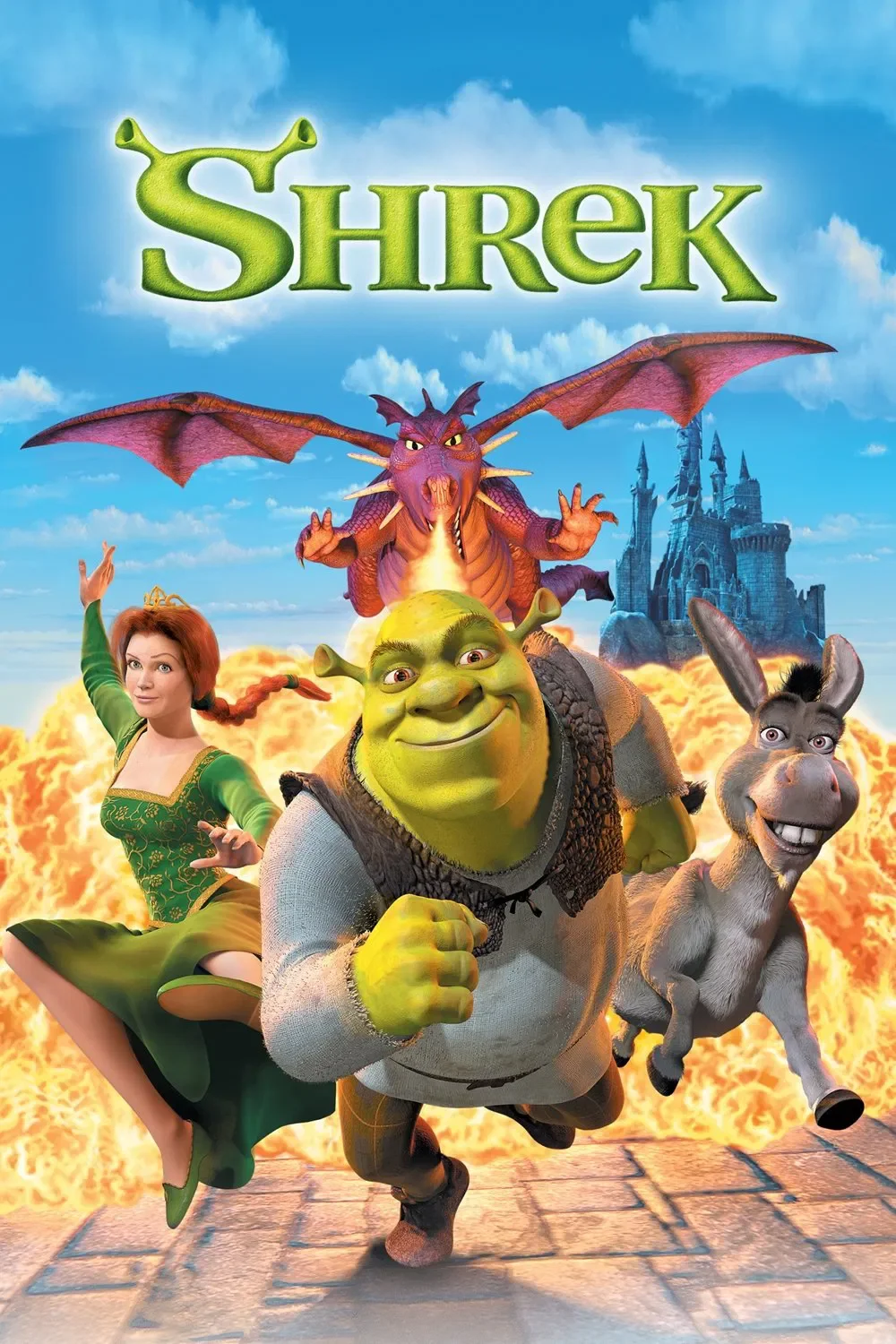
The category was introduced in 2002. The very first winner was Shrek - a licensing juggernaut still generating revenue more than two decades later. I’ve been to several Universal licensing showcases over the past six months and they are gearing up for something significant. Shrek 5 is slated for July 2027. If you are a licensee and you are not already thinking about how to position around that franchise, that conversation needs to start now.
Look at the track record of Best Animated Feature winners. Finding Nemo. The Incredibles. Happy Feet. Frozen. Into the Spider-Verse. These were extraordinary films - that’s why they won. They were also licensing powerhouses that shaped the retail landscape for years after their release.
The franchise that bookends this category most powerfully is Toy Story. Toy Story 3 won Best Animated Feature in 2010. Toy Story 4 took the Oscar in 2019. Toy Story 5 arrives in a matter of months. I have already gone on record predicting it will be the biggest licensing moment of 2026. That franchise was built for consumer products. It is a masterclass in what intentional, long-form IP monetisation looks like.
K-Pop Demon Hunters: What the Double Win Actually Tells Us
K-Pop Demon Hunters winning both Best Animated Feature and Best Original Song is not just a feel-good story. It is a strategic signal.
This property became significantly bigger than most people anticipated. Netflix was caught somewhat flat-footed initially, but course-corrected meaningfully. We saw the energy building on the show floor at toy fairs earlier this year - Hasbro and Mattel both took on significant licensing roles, and the retail pipeline that was slow to start is now moving with real intent.
The double win accelerates that. When a property wins Best Animated Feature, it gets a cultural endorsement that extends the commercial window. When it also wins Best Original Song, it embeds itself in a second category entirely - music, streaming, performance - which amplifies the brand reach beyond the film itself. That is not a coincidence. Properties that achieve cultural penetration across multiple formats are the ones that build durable licensing programs.
But the K-Pop Demon Hunters story also exposes a structural problem that the licensing industry faces repeatedly. When a property breaks fast - driven by unexpected cultural momentum and fandom virality - the licensing infrastructure is slow to respond. By the time product reaches shelves, the peak of the cultural conversation has often moved on. The lesson is not simply “be faster.” The lesson is: build the framework before you need it. Have your licensing agreements, your manufacturing relationships, and your retail commitments ready in advance. You cannot build the runway while the plane is already in the air.
What This Means for Smart Operators
Every licensor, licensee, agent and licensing professional should be watching Best Animated Feature with the same intensity that Hollywood watches Best Picture.
This is not a minor category. It is the indicator category. The films that win here often generate the licensing programs that define retail for the following decade. You can trace the shape of the toy aisle, the apparel department, the kids’ homeware category - directly back to what won Best Animated Feature five, eight, ten years ago.
If you are a licensee and you are not building relationships with the studios behind the next generation of animated properties - before the awards season, before the box office numbers come in - you are already operating reactively.
Intentional licensing means identifying where the commercial gravity will be before everyone else does. Animated features have a track record that no other Oscar category can match. That track record is a strategic signal, not a coincidence.
One More Property Worth Watching
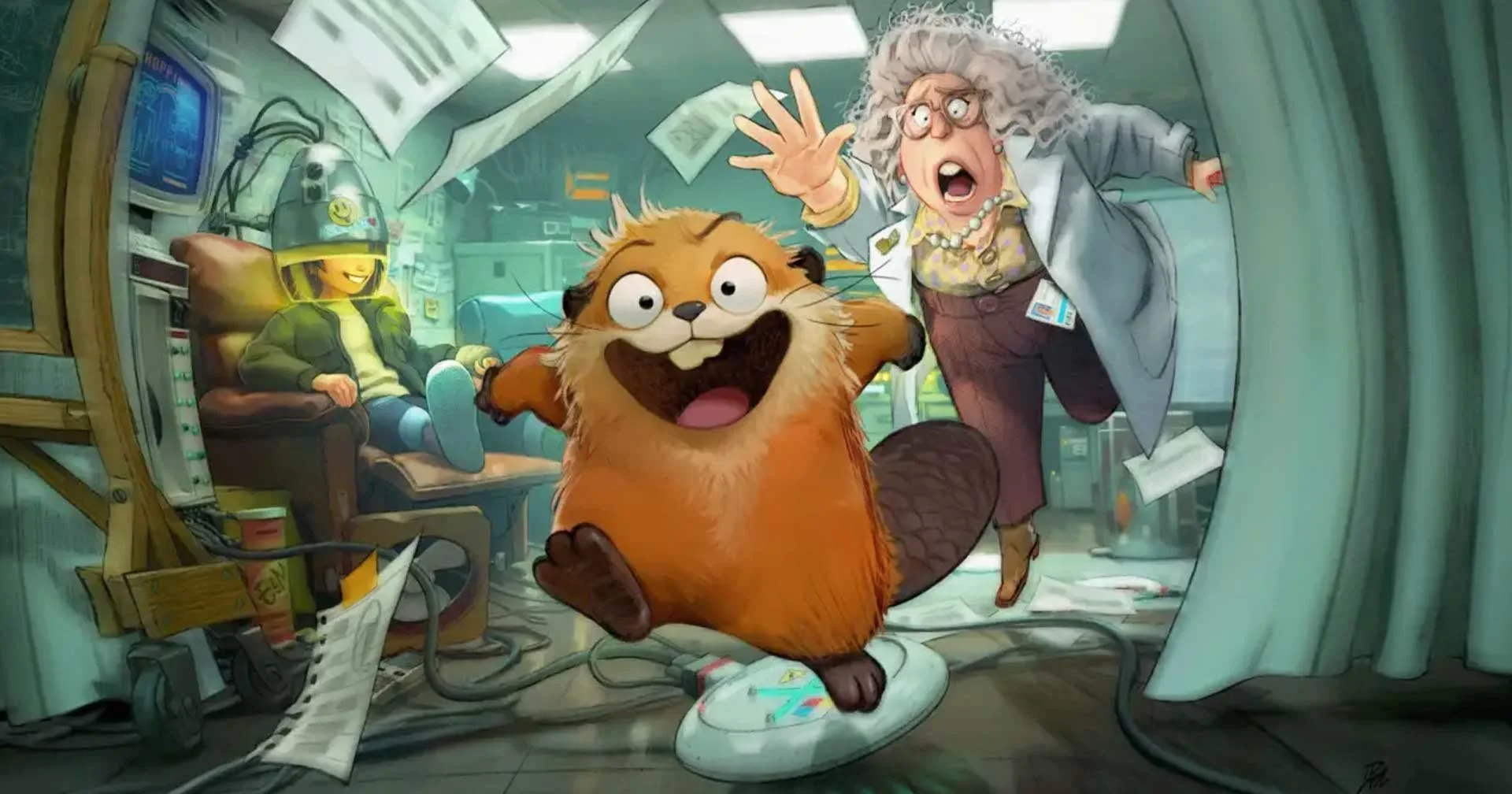
Before I close, one development worth flagging that I covered on this week’s episode. Pixar’s new original film Hoppers had an extraordinary opening weekend - around US$88 million worldwide. That is the best opening for an original Pixar film since Coco back in 2017.
Given its reviews and audience scores, this property has legs. Original IP with this kind of commercial and critical traction is exactly where long-term licensing programs are built. The early numbers suggest Hoppers is not a one-cycle property. Watch this space.
Listen to the latest podcast:
The Bottom Line
Best Picture celebrates artistic achievement. Best Animated Feature creates commercial infrastructure. These are two different things, and the licensing industry needs to treat them that way.
The Oscars are the most-watched awards ceremony in the world. But most people in our industry spend Oscar night focused on the wrong category. The properties that will define the licensing landscape in 2027, 2028, and beyond are being made right now. Some of them will win Best Animated Feature. The ones that do have a consistent track record of building durable, scalable consumer products businesses - the kind that generate revenue long after the theatrical moment has passed.
K-Pop Demon Hunters just won. The clock on that commercial window is ticking. If you haven’t moved yet, now is the time.
want to connect?
The Born Perspective is one part of a bigger conversation. If you want more, you can find me on LinkedIn for industry commentary, Instagram for what's happening day to day, and YouTube and the Born to License Podcast for deeper dives into the world of licensing. Pick your platform. I'll be there.
Explore the Born Collective
Everything I build connects back to licensing. Here's where to go depending on what you need: