How The Oodie Decides Which Licenses to Back
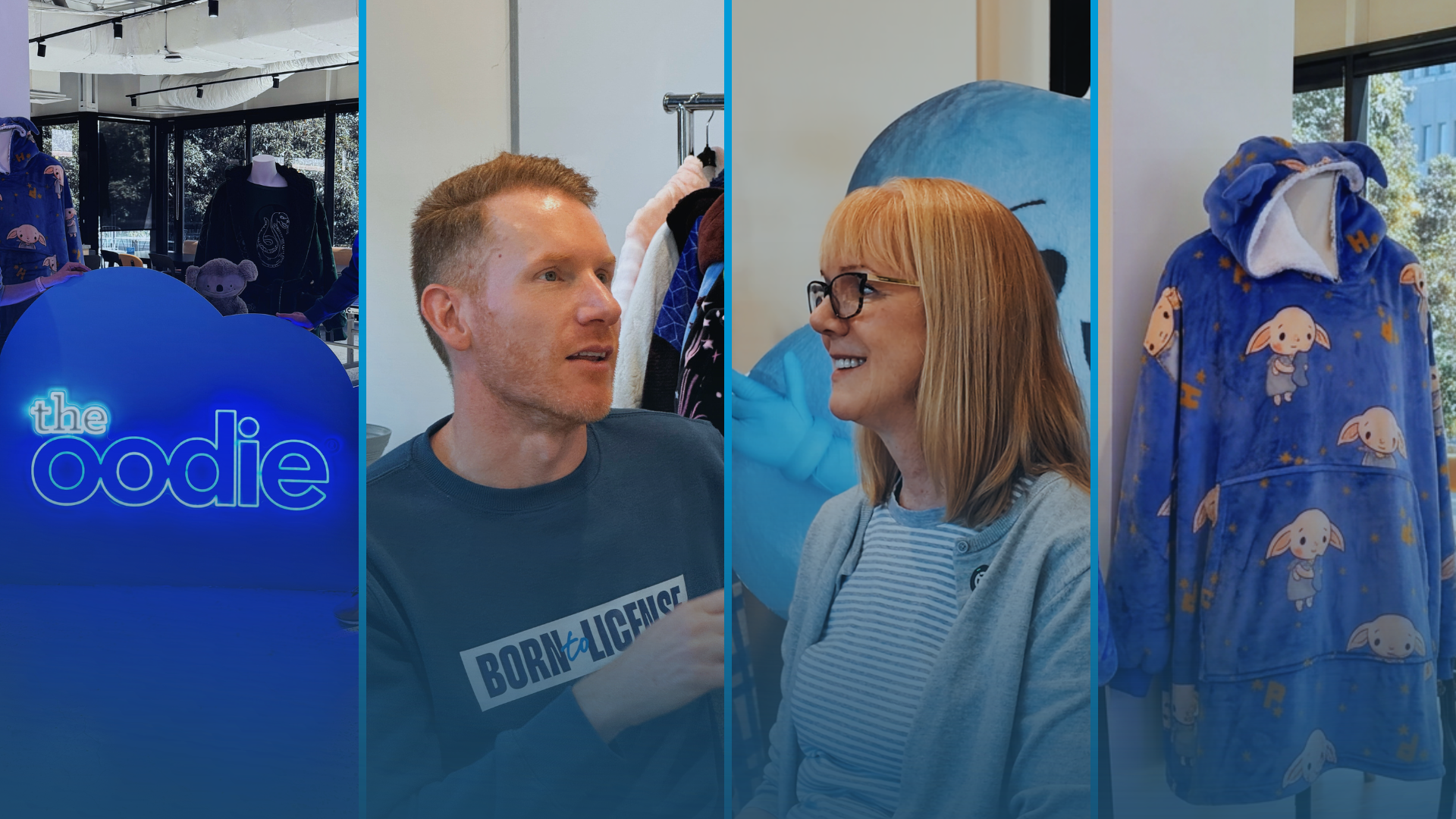
A conversation with Rebecca Palmer, Head of Licensing at The Oodie, reveals the discipline, data, and decision-making behind one of the smartest licensing programs in the Australian market right now.
Most licensing programs are reactive. A licensor pitches, the brand gets excited, someone signs a contract, and six months later they’re wondering why the product didn’t move. The Oodie doesn’t work that way.
I sat down with Rebecca Palmer, Head of Licensing at The Oodie, for an episode of the Born to License podcast. What she described isn’t just a licensing operation - it’s a fully integrated strategy that runs 18 to 24 months ahead, anchored in data, relationships, and a very clear understanding of who the customer is and what they actually want.
Here’s what stood out.
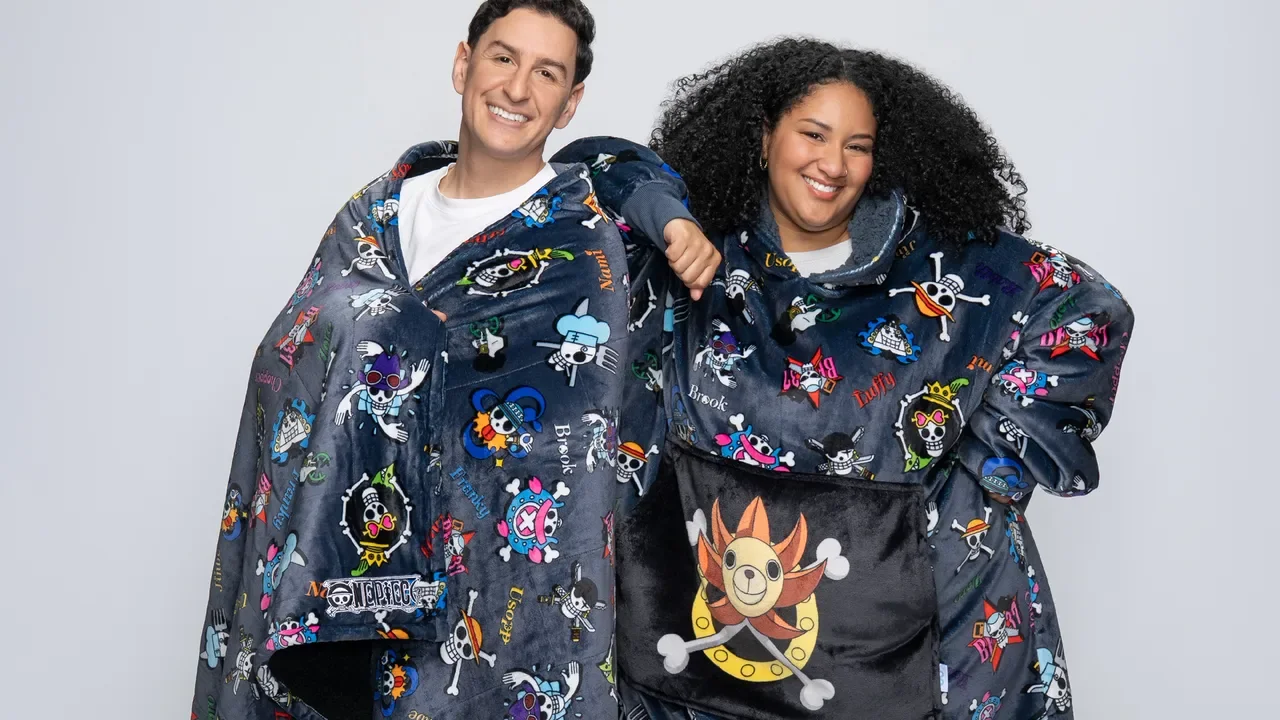
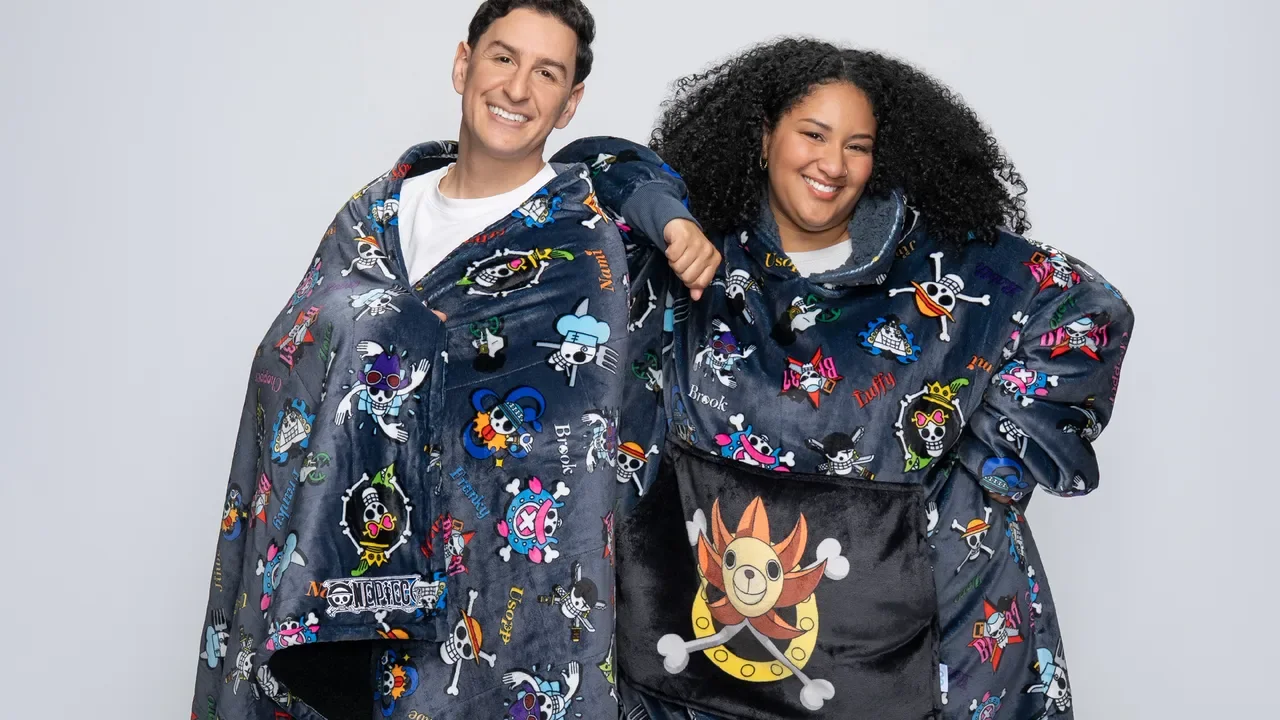
The Oodie partnered with Toei for a One Piece collection.
The Customer Is the Filter
The Oodie receives a lot of inbound from licensors. Everyone wants to work with them. And as Rebecca noted in our chat, they’re very convincing - they know their IP, they believe in it, and they’ll make a compelling case.
So how does she cut through it? One question: who is the fan, and how do they relate to The Oodie’s customer?
Not the licensor’s customer. Theirs.
Preschool-only brands like Peppa Pig or CoComelon are a pass - The Oodie doesn’t make kids’ products. But Sesame Street works, because adults who grew up watching it are now buying into the nostalgia. Squishmallows works, because despite being a toy, it has a sizeable community of young female adult collectors - which is precisely The Oodie’s customer.
This is the discipline most licensing programs lack. The question isn’t “is this IP popular?” It’s: “does our customer see themselves in this?” If you can’t answer that precisely, you’re guessing.
“You’ve got to take your own personal preferences and taste out of it. Put yourself into the mind of the consumer. Who is your customer and what do they want?”
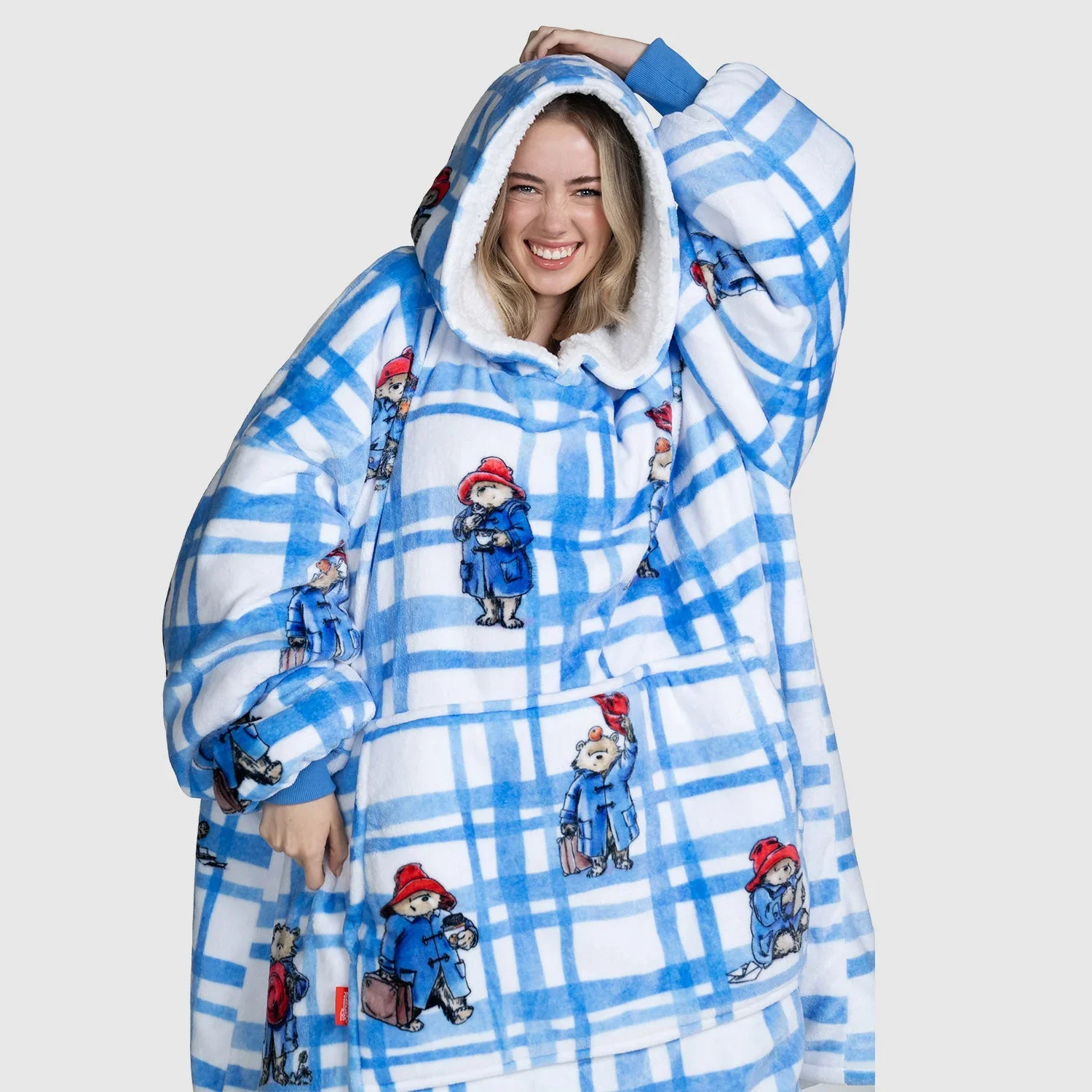
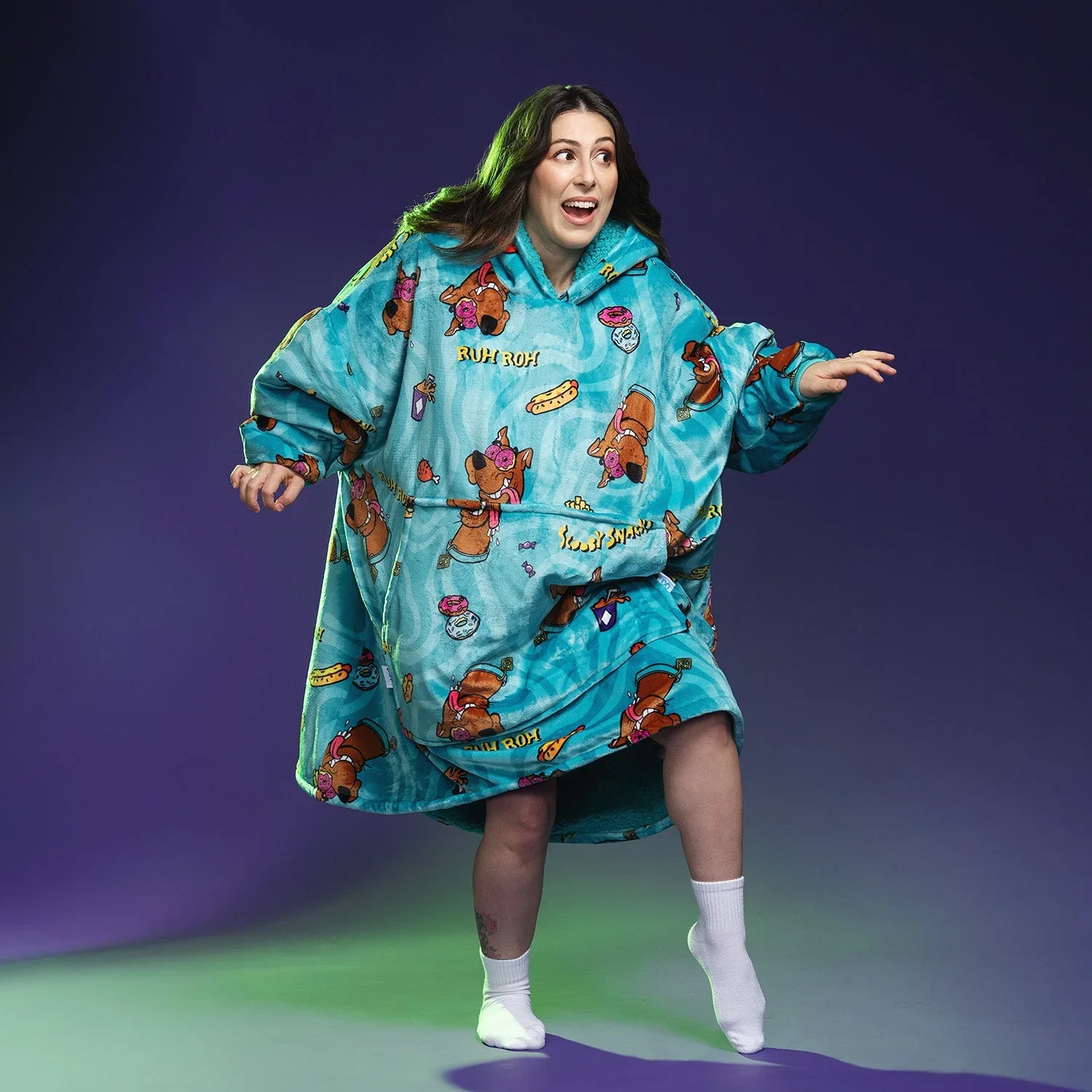
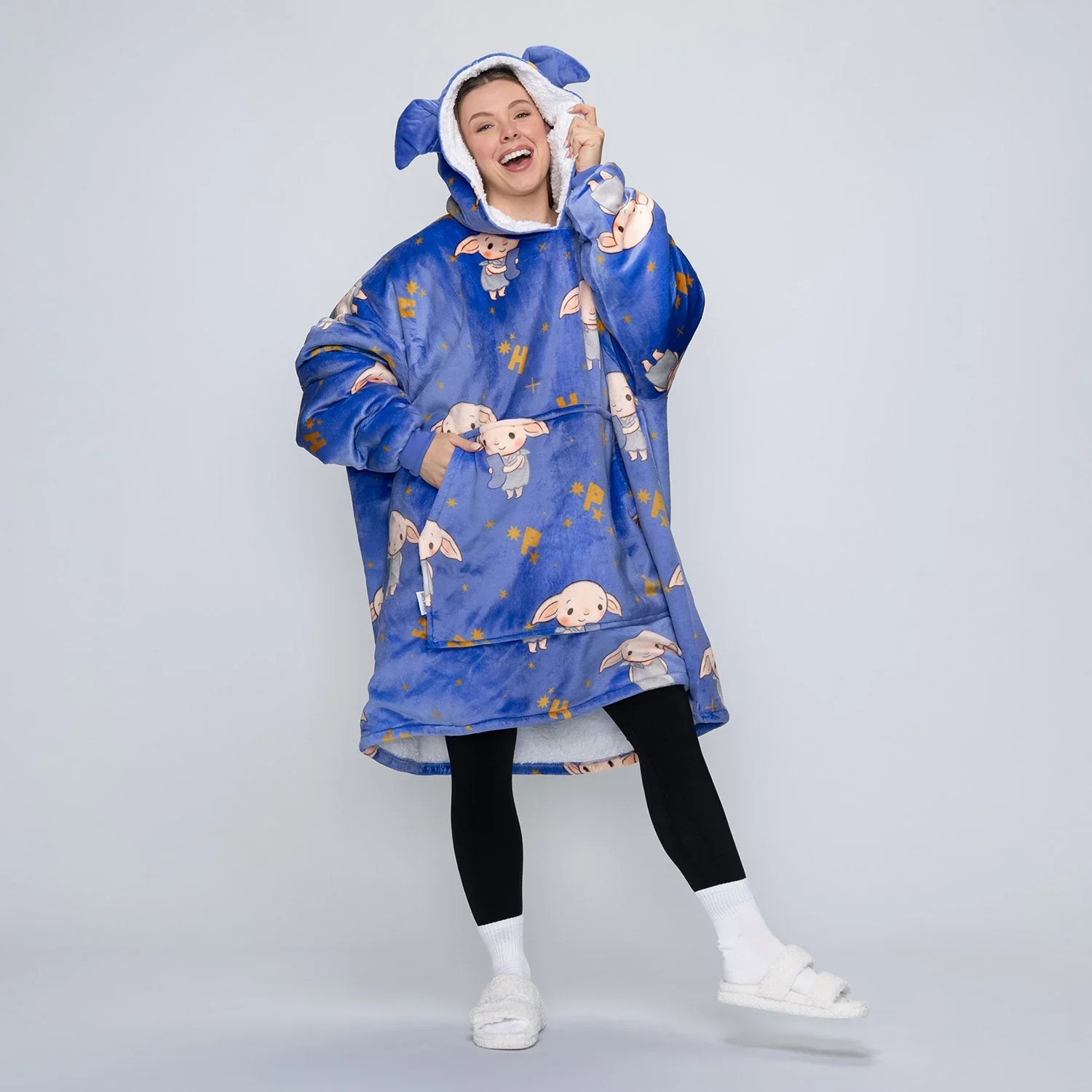
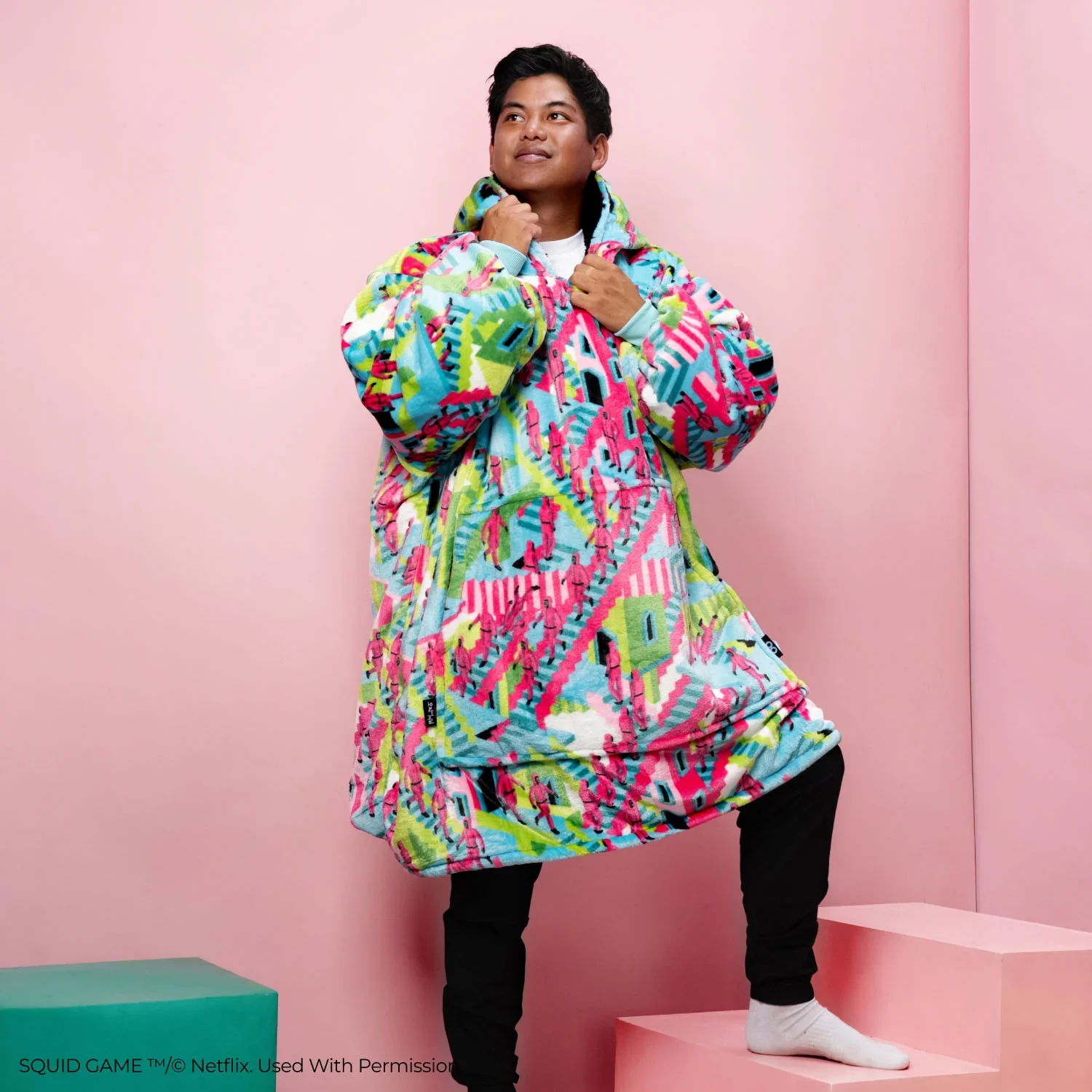
Theatrical Releases vs Evergreens: Two Different Games
When Rebecca plans the year, the first thing she maps is the big content moments - film releases, major marketing campaigns, cultural flashpoints. The strategic advantage of aligning to a theatrical release is simple: you get to piggyback on someone else’s marketing budget. You ride the wave.
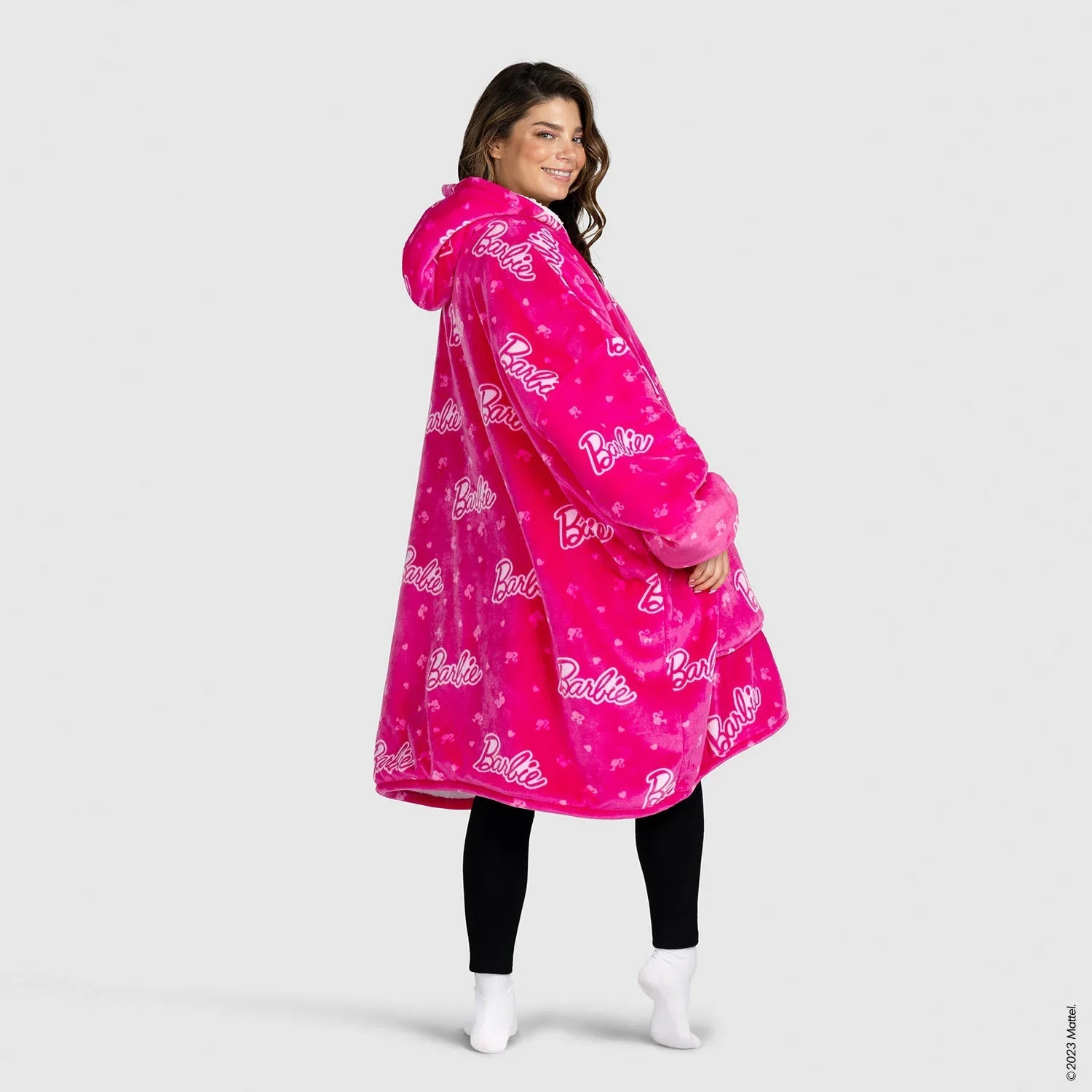
Barbie was the clearest example. Even before the film came out, the cultural signals were unmissable - Barbie-core on the fashion catwalks, hot pink everywhere, Robbie Williams in a pink suit at the AFL Grand Final. Rebecca saw what was coming and committed. It was the right call.
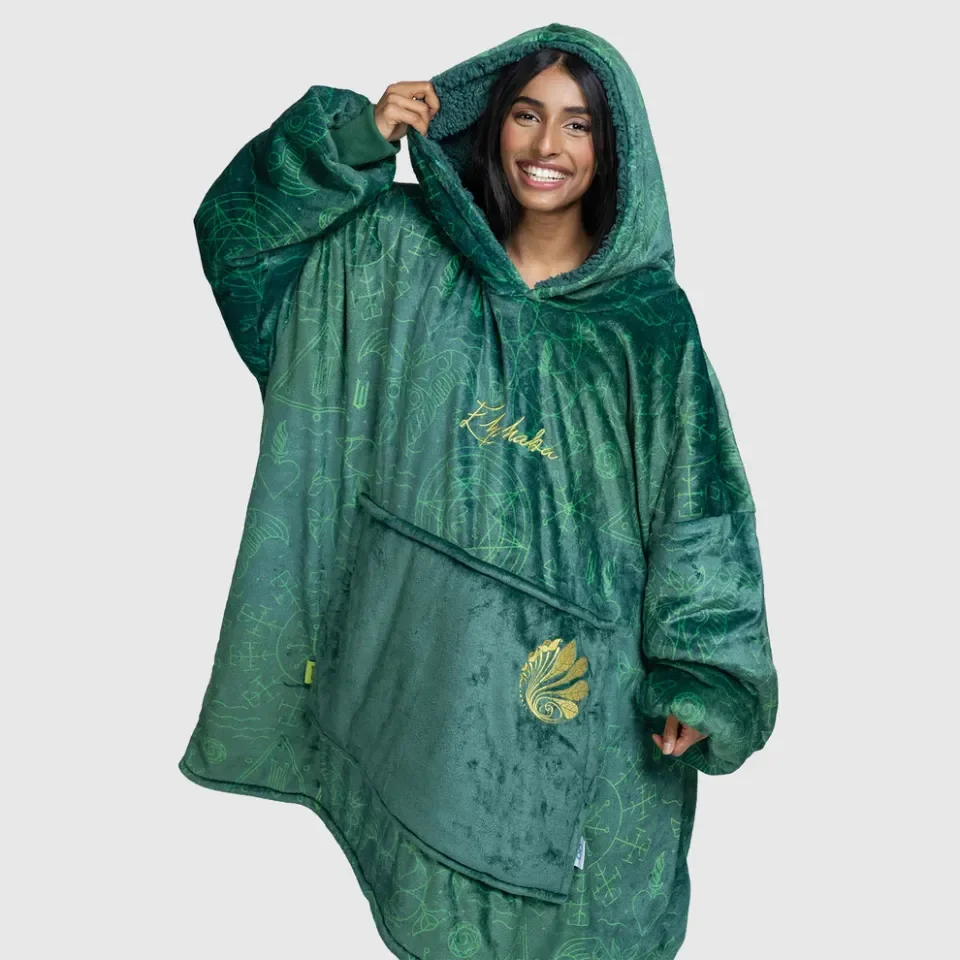
Wicked followed the same playbook. Universal had studied what made Barbie work and built the same machine. The Oodie was there for both.
But theatrical releases create spikes, not streams. They go hard, then tail off. Evergreens - Peanuts, Sesame Street, Miffy - are the opposite. No massive launch spike, but they keep producing. They’re what Rebecca called “the gift that keeps on giving.”
The smart operator plans for both. High-energy theatrical moments to drive visibility and new customers. Evergreens to maintain consistent sell-through and repeat purchase.
One without the other is incomplete.
The 18-to-24-Month Discipline
Rebecca is already working on the 2027 plan. The Simpsons movie, the Nintendo movie, Toy Story - she’s tracking all of it now.
This is not how all brands approach licensing. Some are reacting to what’s happening in the next three to six months. The Oodie is operating on a planning horizon most brands never reach.
Why does it matter? Because licensing at scale requires lead time. Contracts need to be signed in time for product development. Product needs to be manufactured and on the water before marketing begins. If you’re planning for launch in June, you can’t be signing the contract in March.
Rebecca runs a critical path that traces every milestone - from the ship date back to the moment the contract needs to be executed. If the contract is late, the product team loses time. If they lose time, the quality suffers. And The Oodie’s value proposition is built on quality.
“The longer the lead time, the better. Part science, part hunch, part luck — but mostly discipline.”
Data Isn’t Optional
One of the sharper insights from our conversation was how The Oodie uses data to identify demand before the market has moved.
Internal site search reports. Google Trends. Social listening across TikTok and Instagram. Consumer-facing forms asking customers directly what they want to see. Staff feedback from fans inside the business. Multiple inputs, continuously reviewed.
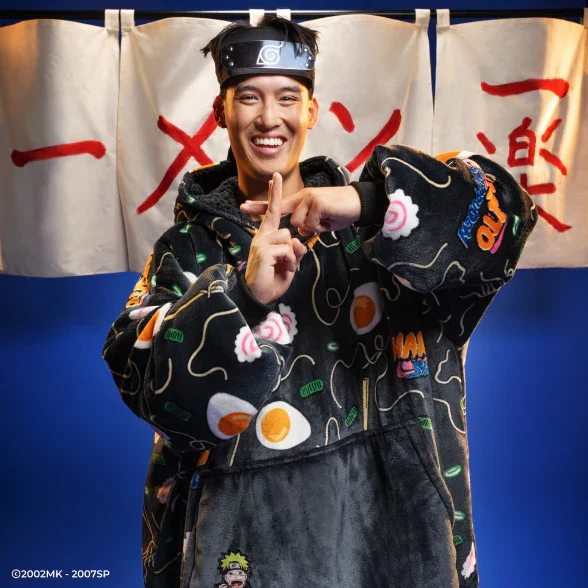
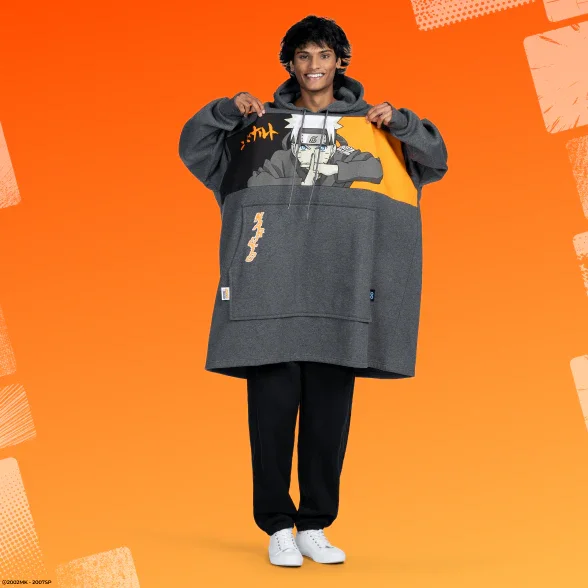
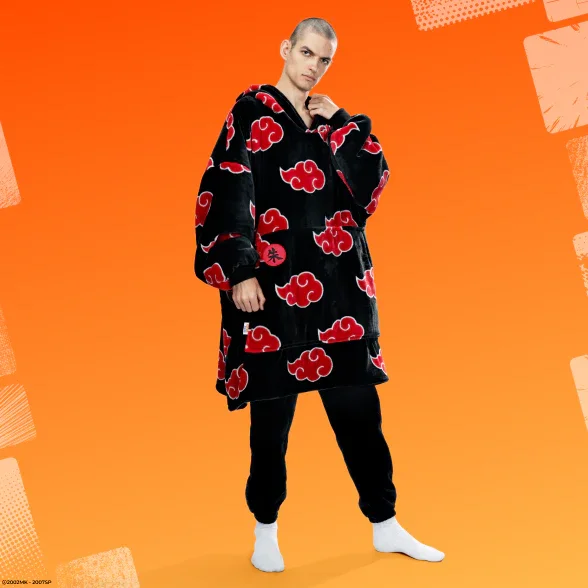
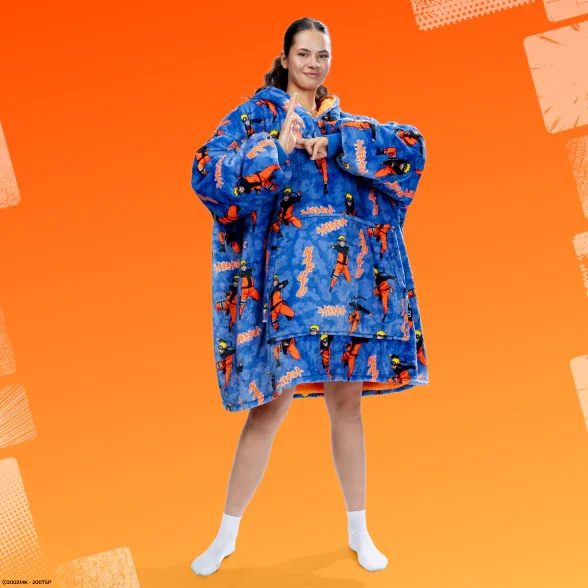
The Naruto example is worth sitting with. Naruto doesn’t fit The Oodie’s core demographic on paper - male, younger, very anime-specific. But Rebecca kept seeing Naruto terms appearing unprompted in site searches. People were looking for it. She followed the data, took on a more complex multi-territory licensing arrangement, and found the audience. It’s now one of their strongest performing licenses.
This is what separates a professional licensing operation from a brand that just signs whatever lands in the inbox. The data tells you where demand is building before it becomes obvious. The discipline is in being set up to read it.
Relationships Are Infrastructure
Rebecca is clear that licensing is fundamentally about relationships - but she’s also clear about what that actually means in practice.
It’s not schmoozing. It’s compliance. Paying royalties on time. Reporting accurately. Getting approvals done properly. Not launching anything that hasn’t been cleared. Doing the factory audits. Having the right insurance.
These are the boring things that build trust. And trust is what gets you access to the next property, the better deal terms, the early insight into what’s coming. A licensor who trusts you will share the slate before it’s public. One who doesn’t will make you wait with everyone else.
Rebecca also made a point that I think gets missed: relationships with licensors aren’t managed centrally. The product team manages approvals directly with the licensor’s creative team. Finance handles royalties. Marketing handles submission workflows. Everyone has their lane, and the licensor has access to the right person for the right conversation.
That structure only works if the whole team is trustworthy - which means the operational discipline described above has to run through the entire organisation, not just the person who signed the contract.
Watch the chat in full
or listen on the born to license podcast
The Bottom Line
What The Oodie has built is not luck and it is not just a great product. It is a licensing program with genuine strategic architecture: long planning horizons, data-led decision making, customer-first IP selection, and operational discipline that earns the trust of licensors over time.
The lesson for future licensees is this: the licensing opportunity doesn’t show up at your door ready-made. You build the conditions for it. You earn access to the properties that matter by proving you can be trusted with them.
Rebecca Palmer has built exactly those conditions at The Oodie. The results speak for themselves.
want to connect?
The Born Perspective is one part of a bigger conversation. If you want more, you can find me on LinkedIn for industry commentary, Instagram for what's happening day to day, and YouTube and the Born to License Podcast for deeper dives into the world of licensing. Pick your platform. I'll be there.
Explore the Born Collective
Everything I build connects back to licensing. Here's where to go depending on what you need: