What The Oodie’s Davie Fogarty Got Right About Licensing - And What He’d Do Differently
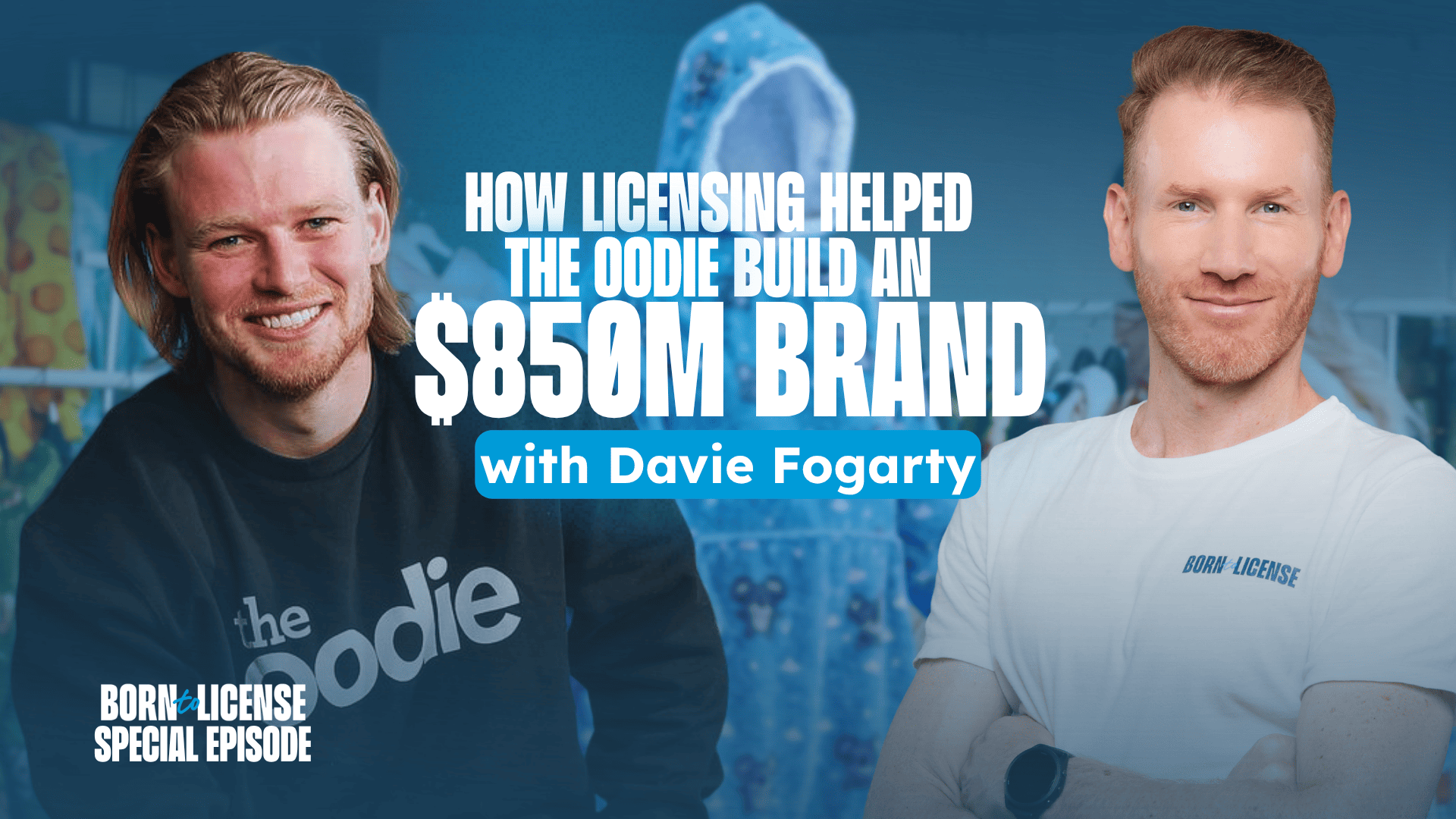
Davie Fogarty is the latest guest on the Born to License podcast.
Davie Fogarty built The Oodie into an $850 million comfort wear brand with over 50 licensed partners - Disney, Marvel, Warner Bros., Pokémon. He's also the youngest shark in Shark Tank Australia history. When he sat down with me on the Born to License Podcast, he was refreshingly blunt about what worked, what nearly broke the business, and what he'd tell every founder who thinks licensing is their shortcut.
Here are the key lessons from that conversation.
1. A Great Product Comes Before a Great License
Davie was unusually candid about The Oodie's licensing journey: Warner Bros. came to them. The Oodie was already a household name in Australia, already on a $100 million run rate, when the licensor knocked on the door.
He didn't frame this as luck to brag about - he framed it as a warning. The Oodie's situation was exceptional. Most brands have to earn their way into the room. And before you can do that, you need to know whether you have a brand at all.
“The amount of people that come through Daily Mentor and I’m just like — do you think your brand reconciles with your audience? Do they even think about you?”
This is the pre-licensing question that most founders never ask. Not "which IP should I pitch for?" but "is my brand actually something people feel something about?" If the answer is vague, the licensing conversation is premature.
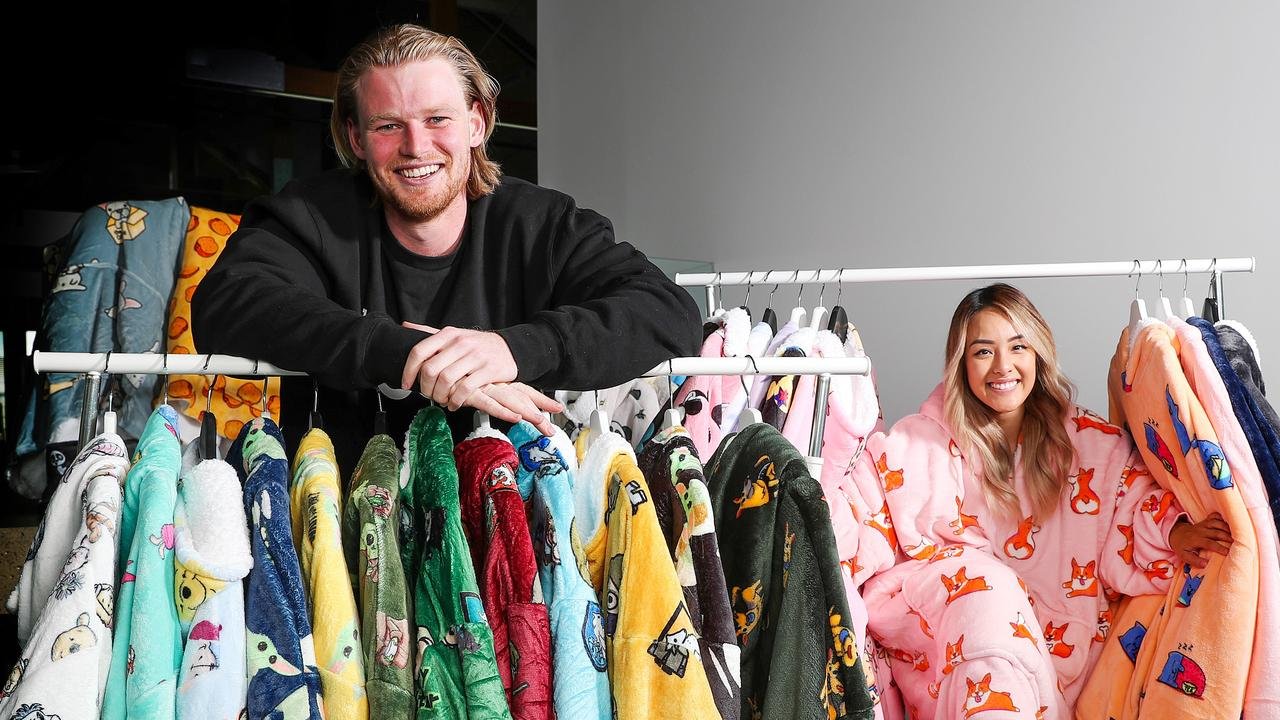
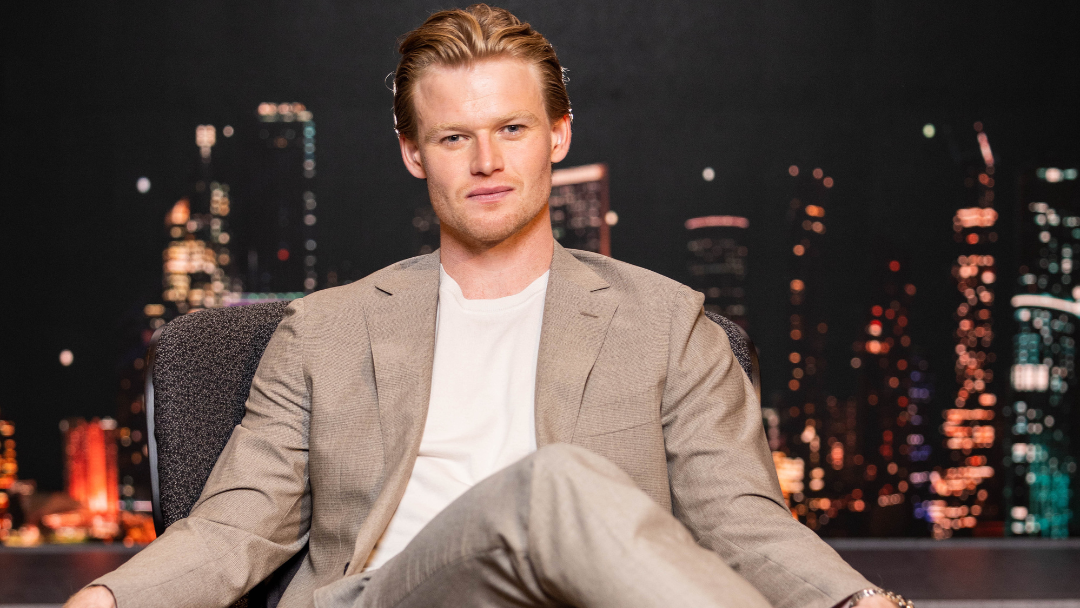
David Fogarty created one of Australia’s most exciting e-commerce stories: The Oodie
2. Walk Before You Run — And That Means Smaller Licenses First
When Davie advises his Shark Tank portfolio companies on licensing, his first checklist item isn't which IP to pursue. It's whether they've launched a second hero product yet. Until they have, he won't push them toward licensing.
The reason is structural, not motivational. Major licensors have approval processes, compliance standards, minimum guarantees, and product iteration cycles that can crush an underprepared business. Davie knows this first-hand - The Oodie once signed a contract with a $30,000 minimum guarantee and never got the product to sampling stage. They just paid and moved on. At Oodie's scale, that was a rounding error. For most businesses, it's an existential hit.
“Test out a small license. Test out the capacity of your team. Test out the results of the sales. Then you can say — okay, I think Disney is going to be 10 times bigger than this.”
The right first licensing partner isn't the biggest one you can dream of. It's the one that teaches your product team, finance team, and marketing team how licensing actually works - at a scale where a mistake doesn't cost you the business.
3. Forecasting Is Where Most Licensees Come Unstuck
The piece of the licensing process that surprised Davie most when The Oodie signed its first deal with Warner Bros.? Forecasting.
Forecast too high and the licensor locks you into a minimum guarantee you can't hit. Forecast too low and they question whether you're worth their time. Get it wrong in either direction and you've set the relationship up to fail before a single unit has been produced.
For founders who've never navigated this before, it's one of the most technically demanding parts of a licensing deal - and one of the least discussed. Davie's advice: get a mentor or agent (like Born to License!) across it early, not after you've signed.
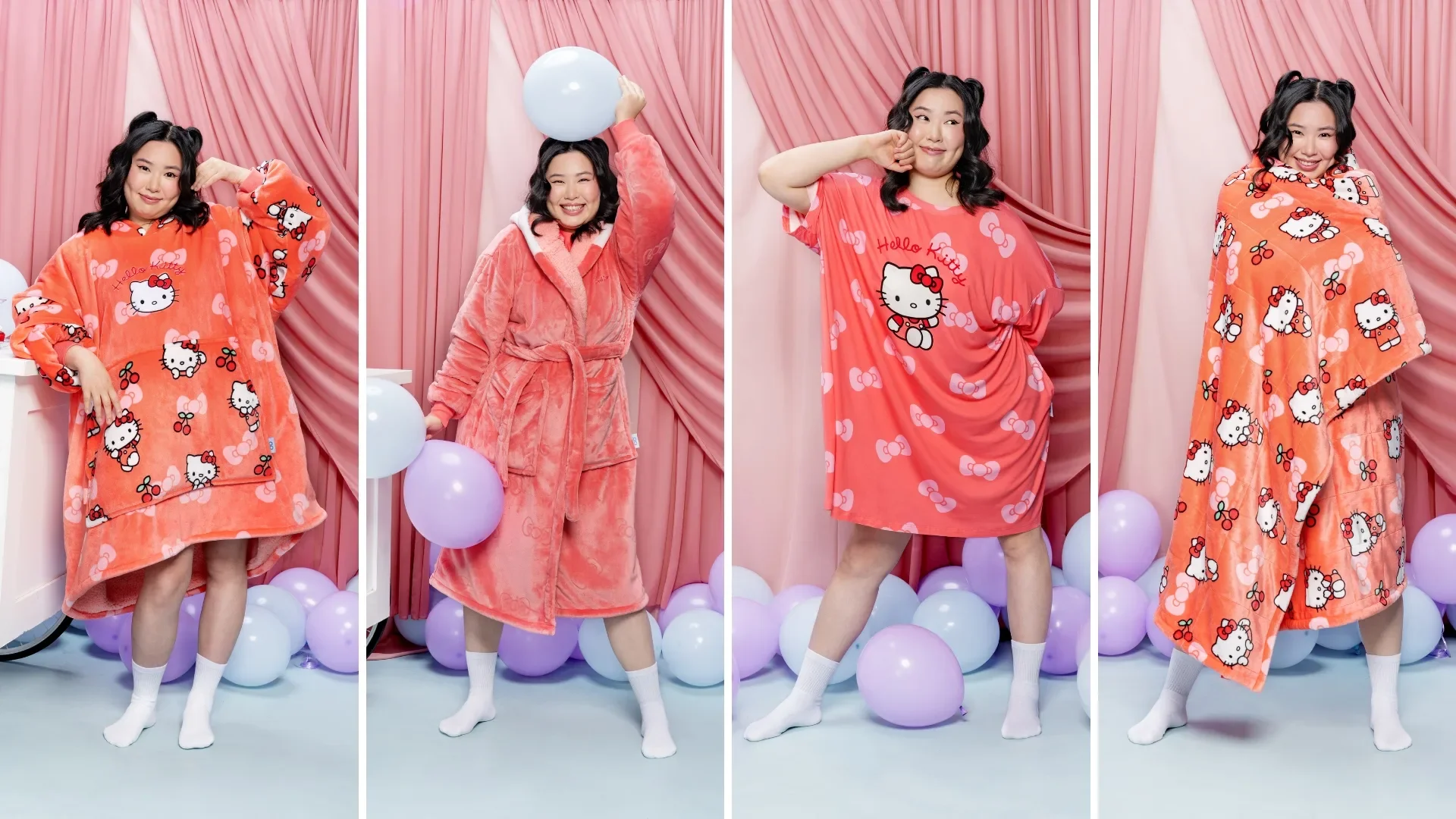
Hello Kitty is one of the 50+ licensed ranges launched by The Oodie.
4. Build the Team Around the License, Not After It
Davie was direct about his own mistakes here. In the early days, licensing compliance sat across multiple people in the business - finance, product, marketing - none of whom owned it. Reporting got missed. Forecasting was treated as an afterthought. Apologies were made.His recommended structure for founders entering licensing seriously:
Legal / negotiation: use an agencyor contractor who knows the licensing space
Product design: someone contract or full-time who understands approval processes
Finance: trained on royalty reporting, forecast commitments, and what licensors actually expect
Marketing: across approval workflows and brand guidelines from day one
The licensor doesn't care that you're a startup. They're running a business. Their team's bonuses depend on you hitting your numbers. Treat compliance as a commercial priority, not a back-office task.
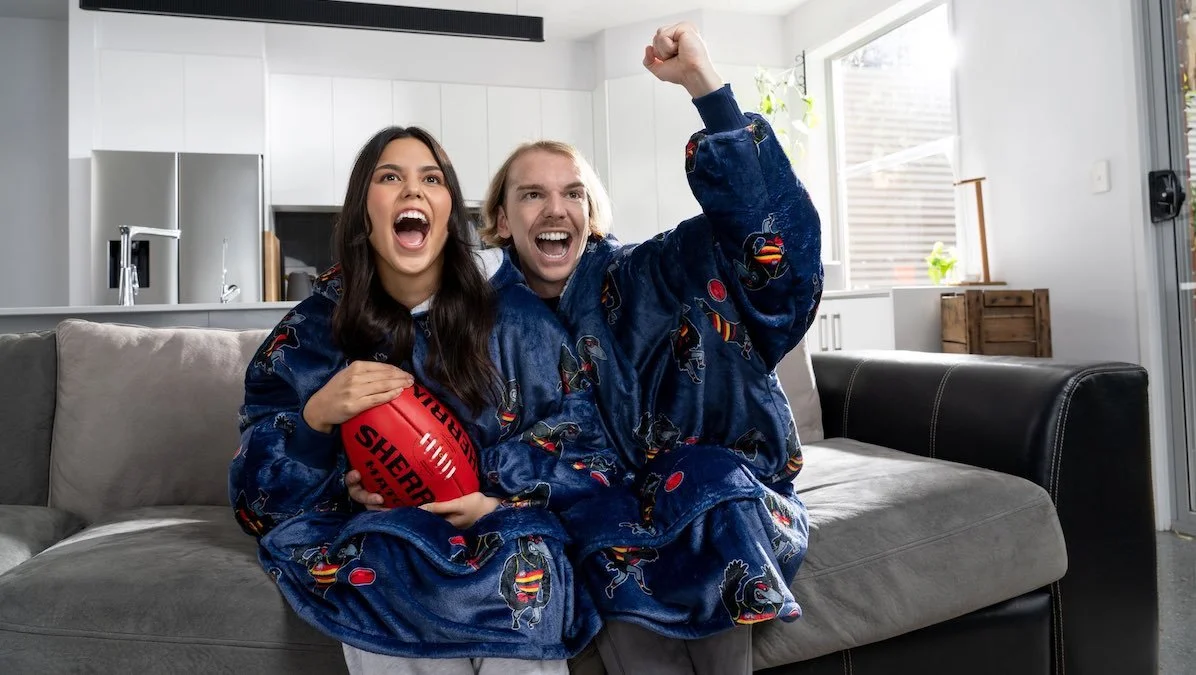
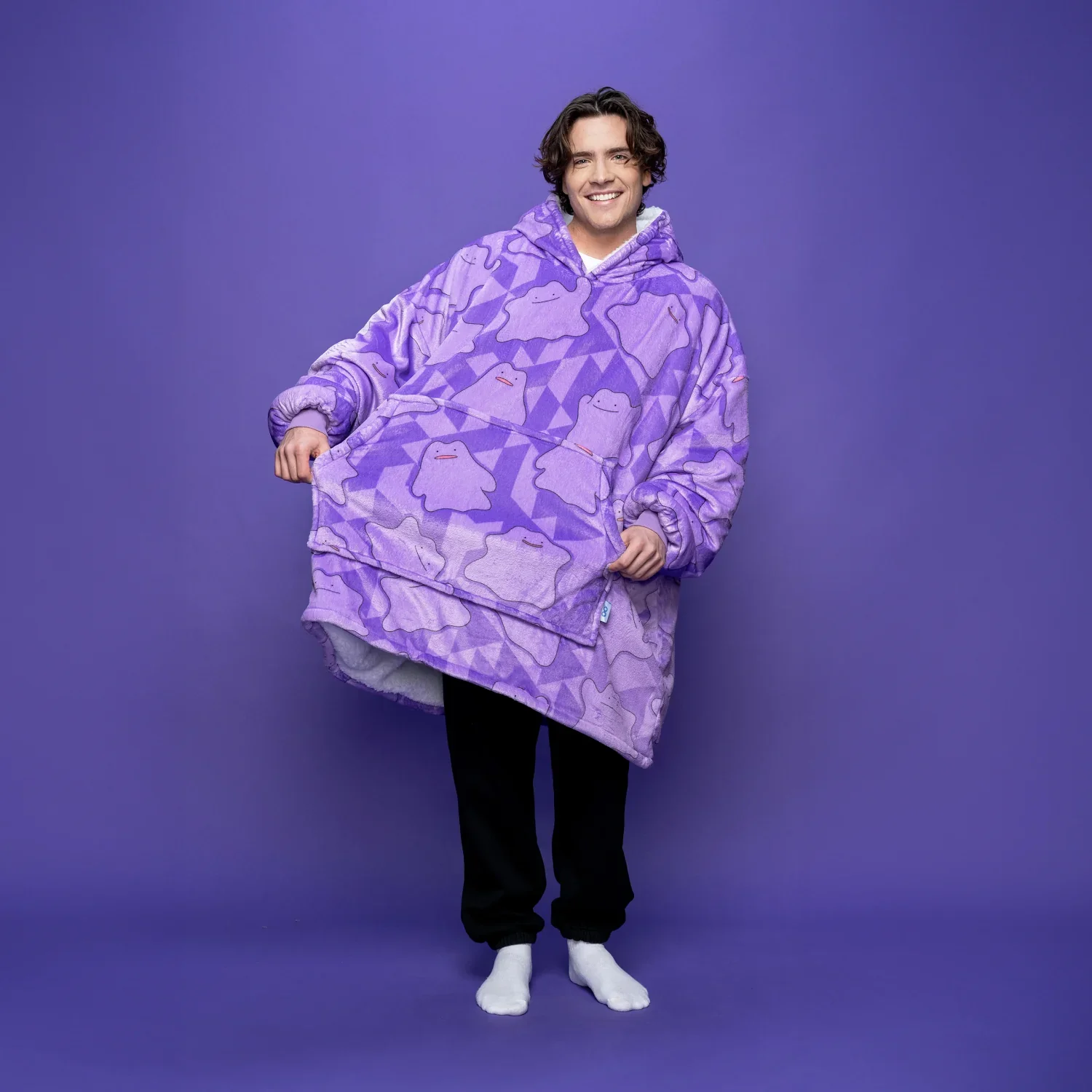
The Oodie’s licensed portfolio includes sports teams.
5. Pokémon: Hard Is Sometimes a Signal Worth Pursuing
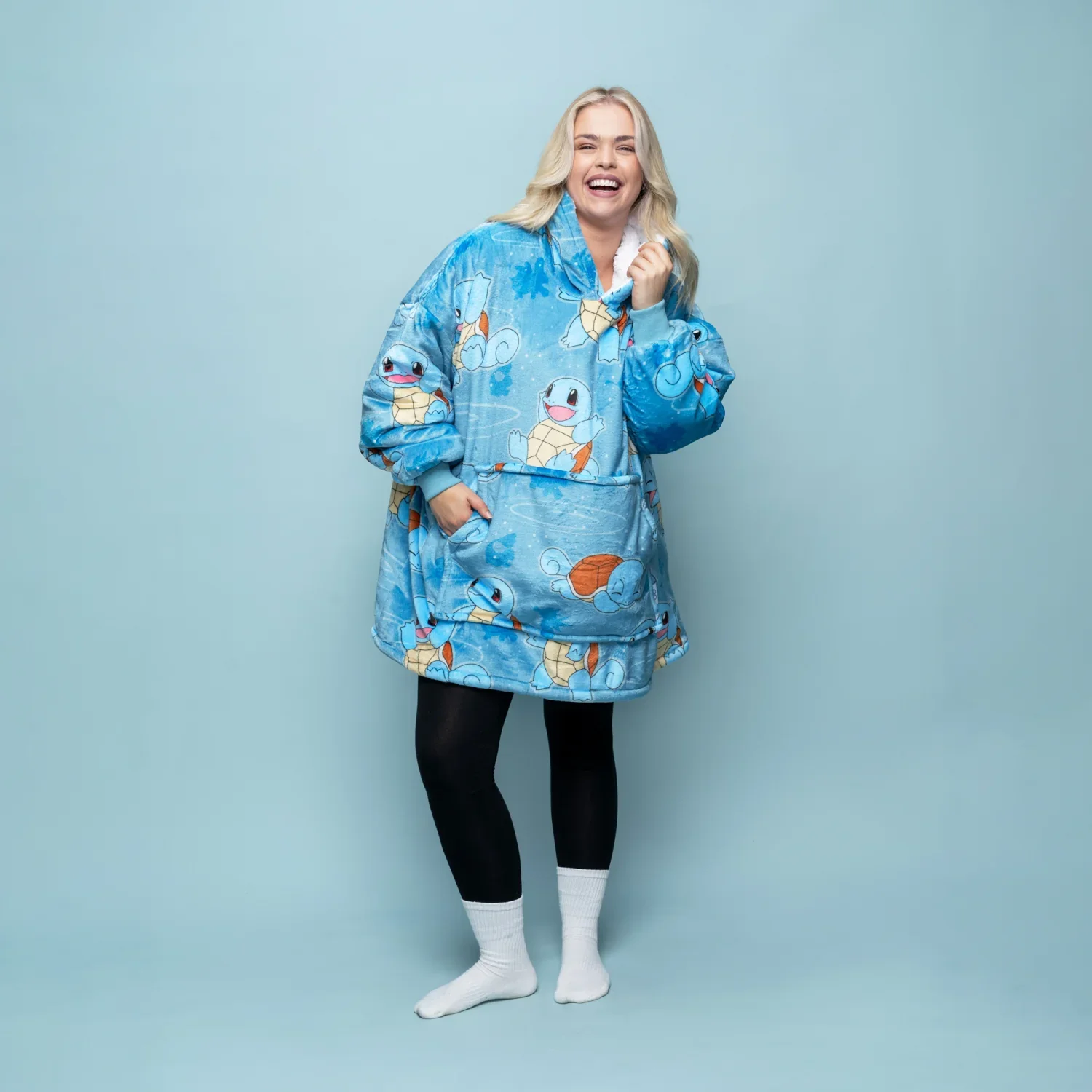
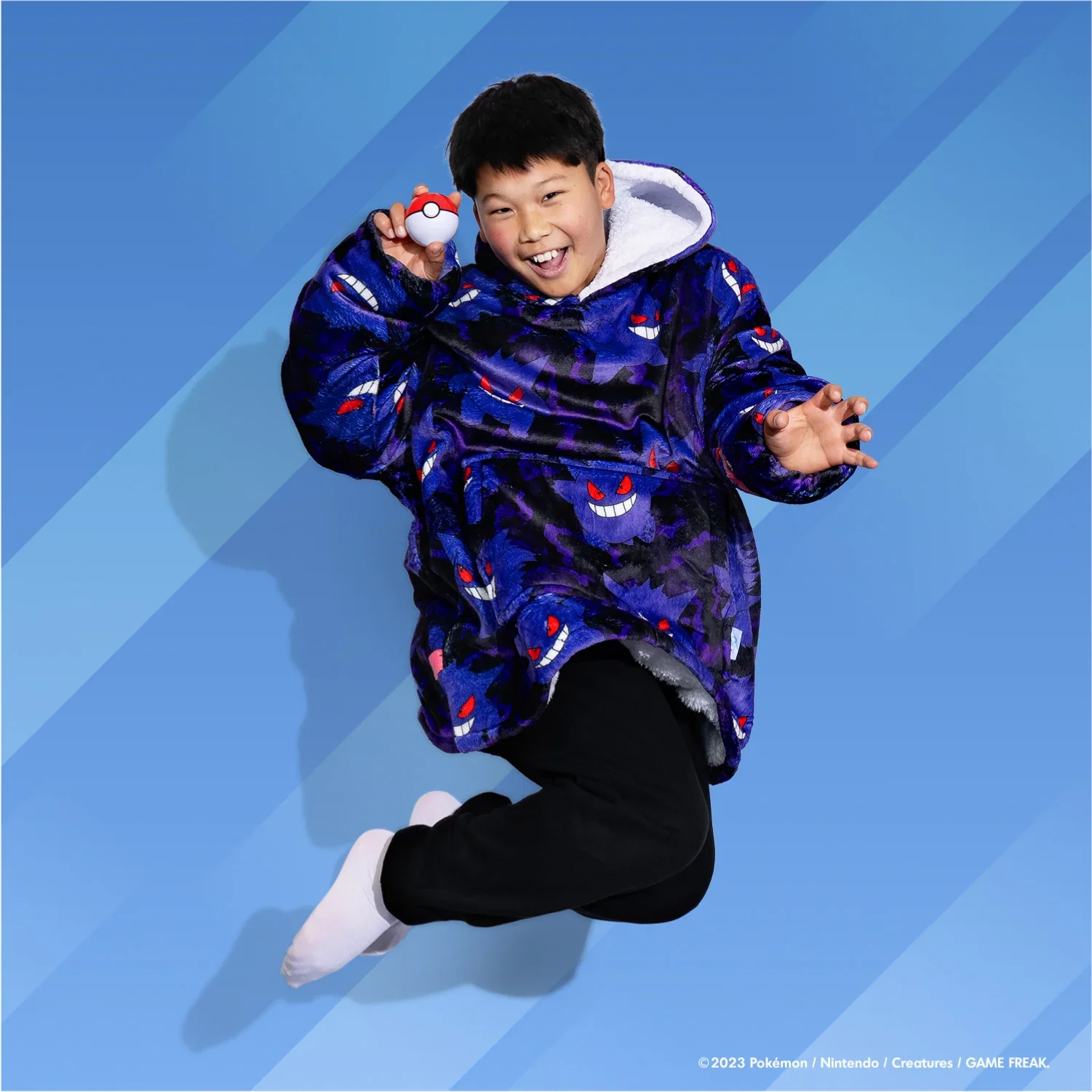
Davie nominated Pokémon as one of the hardest licenses The Oodie ever pursued - time differences, language barriers, protective licensing standards, an approvals process built in Japan. At one point, before contracts were even on the table, the question internally was whether it was simply too hard to continue.
They pushed through. Davie believes it became their best-performing licensed product.
“Sometimes something is hard because they’re incredibly good at what they do. And this is hard — so everyone else will give up on it”
This is a useful mental model for any brand pursuing major IP. The friction isn't always a signal to walk away. Sometimes it's the reason the deal is worth getting.
6. Licensing Creates Instant Differentiation — and That's the Real Commercial Case
When pressed for the single most important insight for an e-commerce founder considering licensing, Davie went straight to the mechanism, not the emotion:
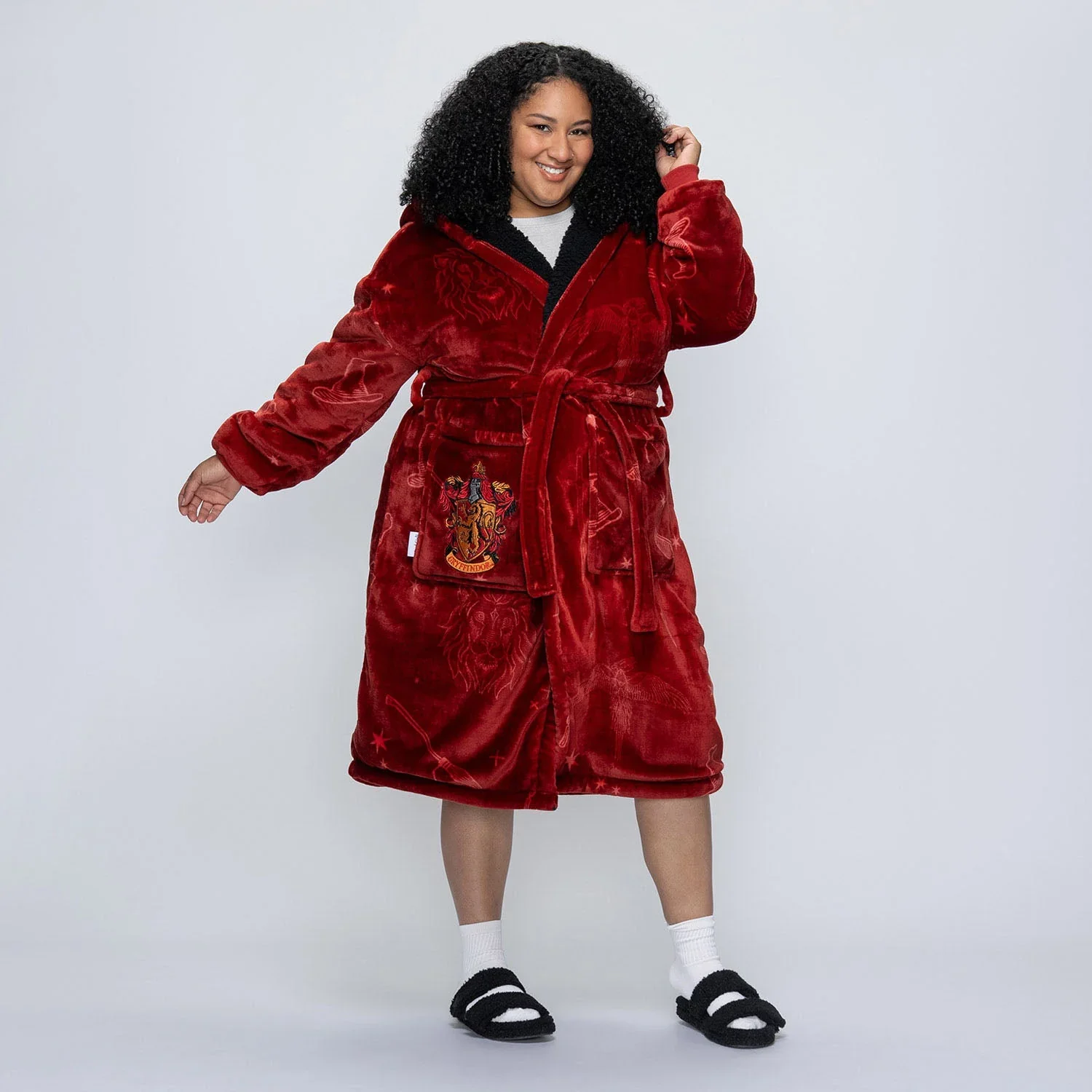
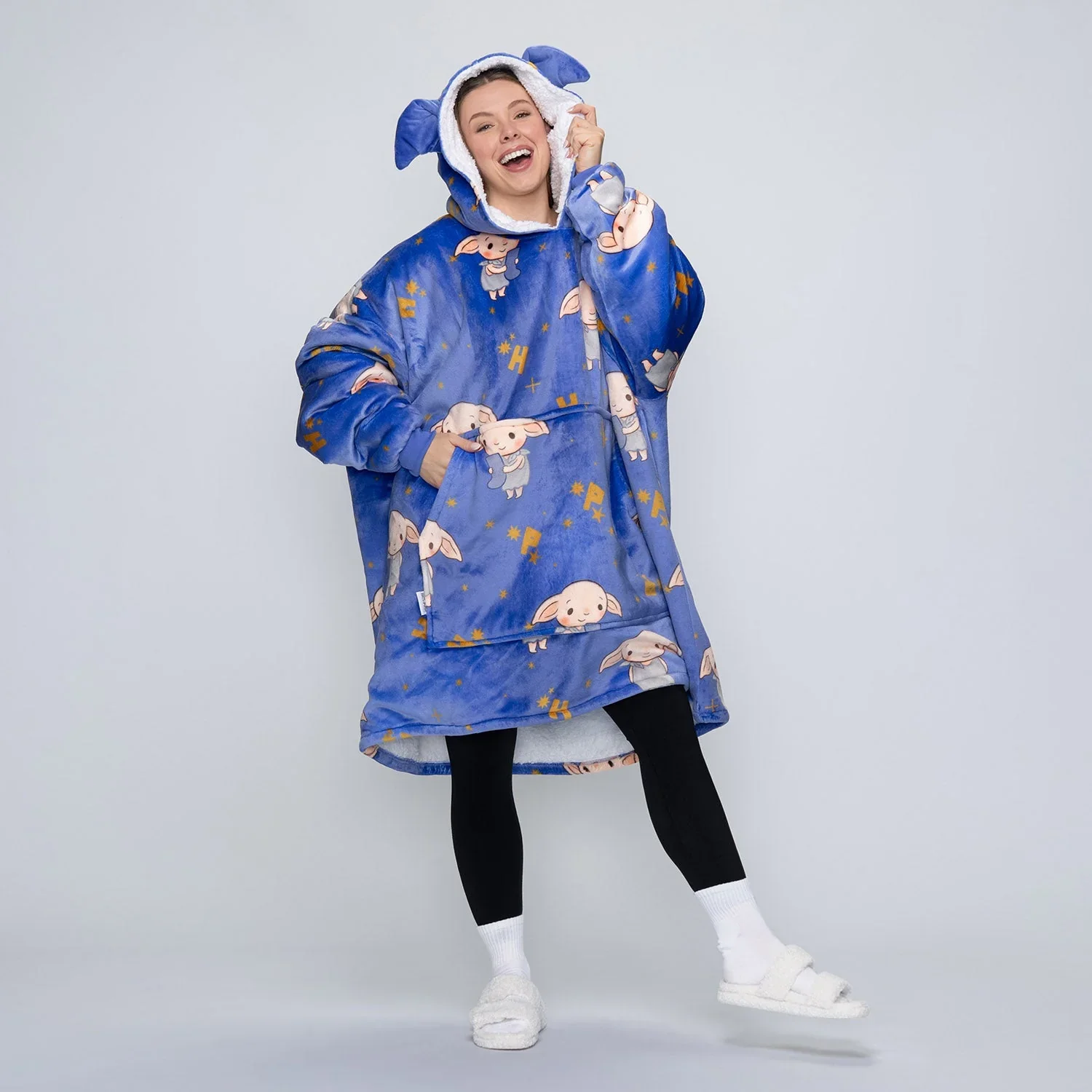
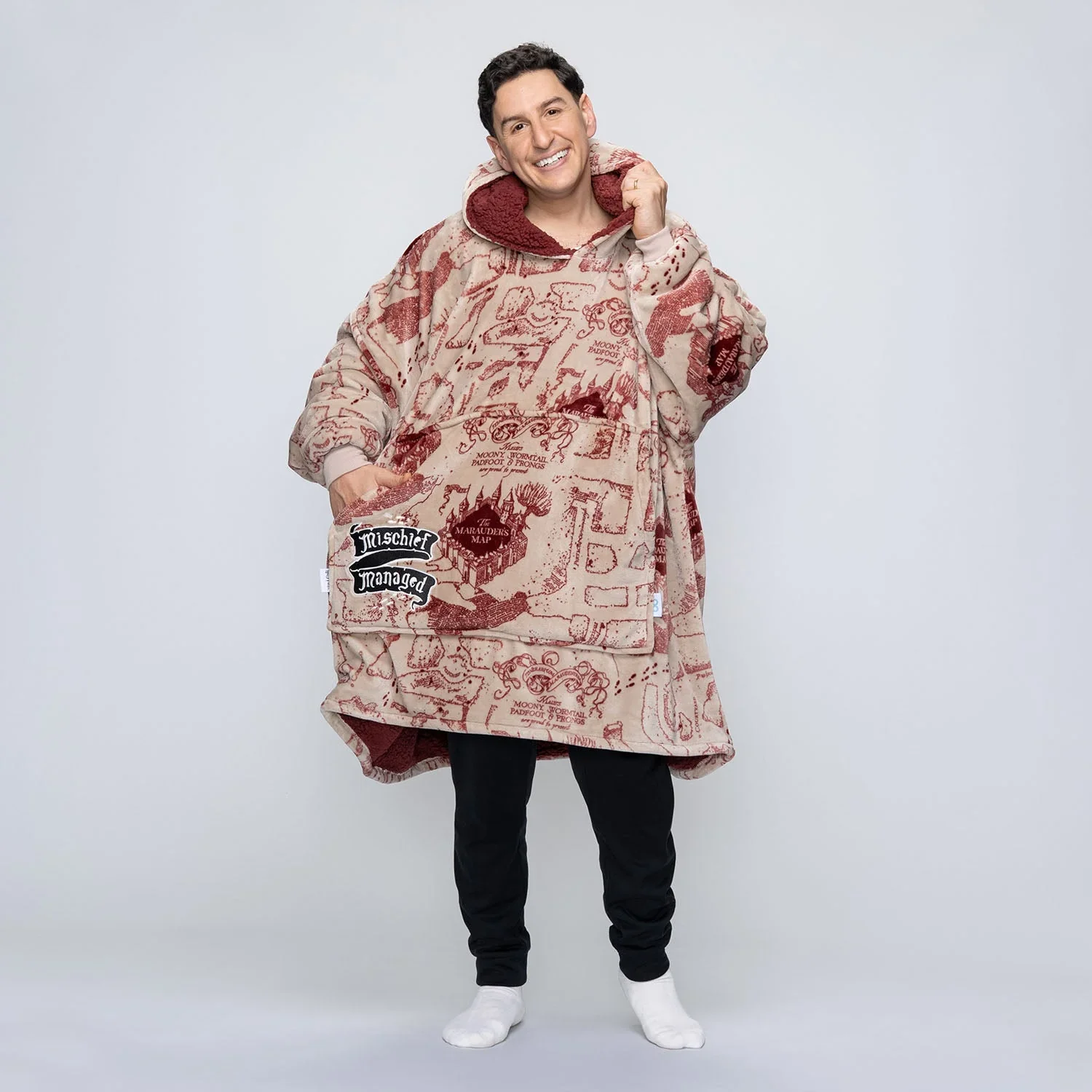
“The reason why licensing works is because it instantly creates a differentiated product. Nobody has launched your brand with Harry Potter before. That differentiation makes Facebook very, very profitable”
He's describing something that brand owners often sense but can't articulate: a licensed product isn't just visually distinct, it triggers audience overlap at a platform level. Your audience and the IP's audience collide. The algorithm rewards it. The ad economics improve. The conversion data shifts.
That's not marketing theory. That's a business model insight.
7. Licensing Strategy — or the Lack of One — Shapes Your Brand
Perhaps the most honest moment in the conversation was when Davie reflected on The Oodie's own licensing choices. The Oodie is a genuinely mass-market brand — broad demographic, high affinity, malleable identity — so chasing the biggest possible licenses made sense for revenue. But Davie wondered aloud whether a more focused strategy might have built a stronger connection with a specific audience.
He used Liquid Death as a reference point. Their recent collaborations — including one with Mr Beast — had, in his view, weakened his personal affinity with the brand. It wasn't that the deals were wrong individually. It was that the cumulative effect diluted something.
This is the question every brand with licensing momentum eventually has to answer: are you optimising for the next launch, or for what the brand stands for across all of them?
There's no universal right answer. But it's a question that should be asked before signing, not after.
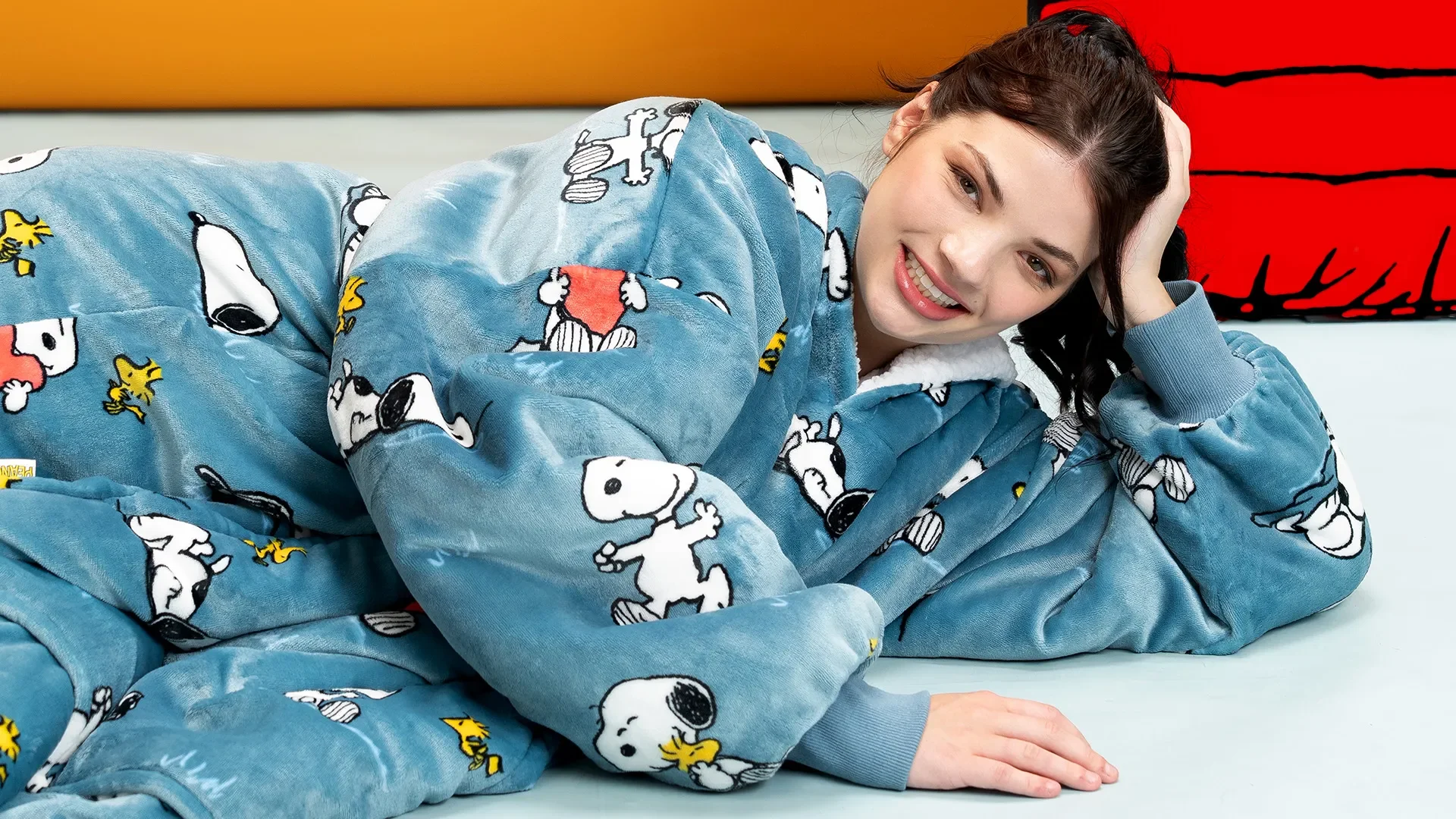
Peanuts is one of the 50+ licensed Oodie collections launched.
WATCH THE CHAT IN FULL ON YOUTUBE
OR LISTEN TO THE PODCAST
The Bottom Line
Davie Fogarty built one of Australia's most successful licensing programs from an unusually strong starting position — a product people already loved before a single license was signed. Most brands won't have that luxury.
What his experience does prove is the underlying logic: if you have a brand with genuine audience affinity, licensing accelerates it. If you don't, licensing won't fix it.
Start with the brand. Build the infrastructure. Choose partners that match where you are — not where you hope to be. And when the hard deal comes along, ask yourself whether the friction is a reason to walk, or a reason the prize is worth having.
The Oodie didn't get to 50+ licensing partners by accident. It got there by doing the work that most brands skip.
want to connect?
The Born Perspective is one part of a bigger conversation. If you want more, you can find me on LinkedIn for industry commentary, Instagram for what's happening day to day, and YouTube and the Born to License Podcast for deeper dives into the world of licensing. Pick your platform. I'll be there.
Explore the Born Collective
Everything I build connects back to licensing. Here's where to go depending on what you need: