One of The Most Powerful Tools in Advertising: Character Licensing
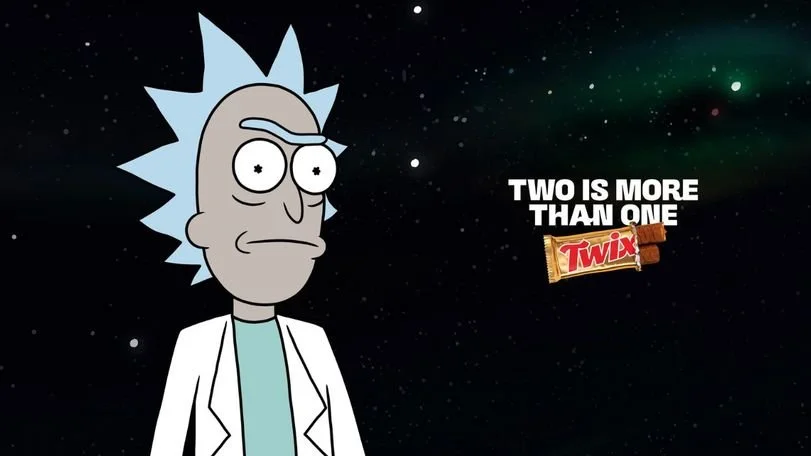
Rick from Rick and Morty features in the new Twix ad campaign
This week, something caught my eye. Twix launched an out-of-home campaign across the UK built entirely around famous duos. Rick without Morty. Wallace without Gromit. Laurel without Hardy.
Every character on those posters had to be licensed. The Born Licensing team managed the rights from start to finish.
It’s a perfect illustration of something I’ve believed for years, and that the data keeps proving: famous characters are one of the most powerful tools in advertising. Not decoration. Not bolt-ons. The creative engine.
Episode 11 of Born to License is dedicated to exactly this. The why, the how, and the proof.
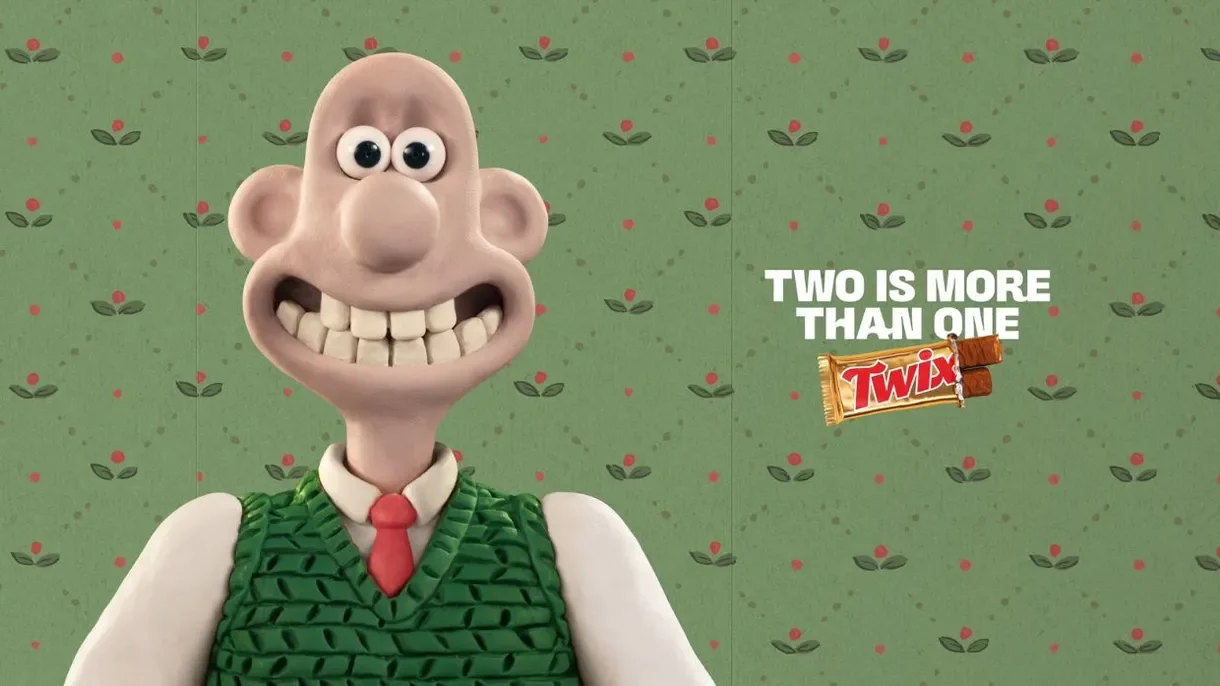
Wallace from Wallace and Gromit features in the new Twix ad campaign
Why Borrowed Equity Beats Built Equity
When a brand creates its own character from scratch - the Compare the Market meerkats, the GEICO Gecko - they’re starting from zero. It takes years and significant investment to make that character mean something to an audience.
When you license a famous character, you skip that entirely. You’re borrowing decades of awareness, emotional association, and cultural memory. The recognition is instant. The feeling is already there.
“You’re not building emotional connection. You’re borrowing something the audience already loves.”
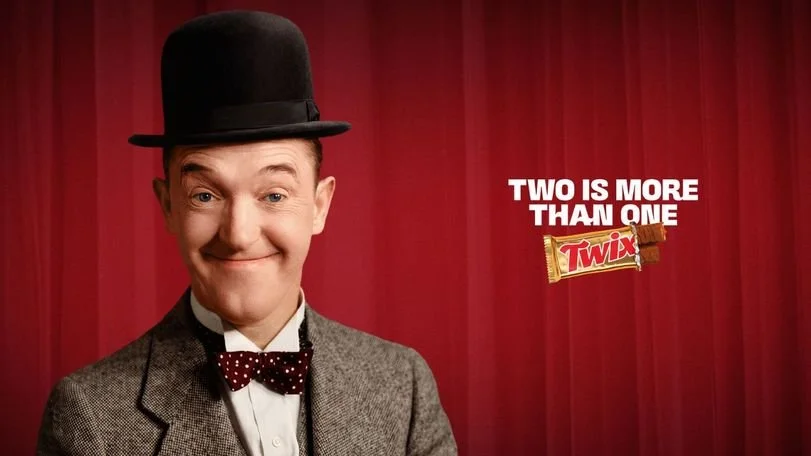
Laurel from Laurel and Hardy features in the new Twix ad campaign
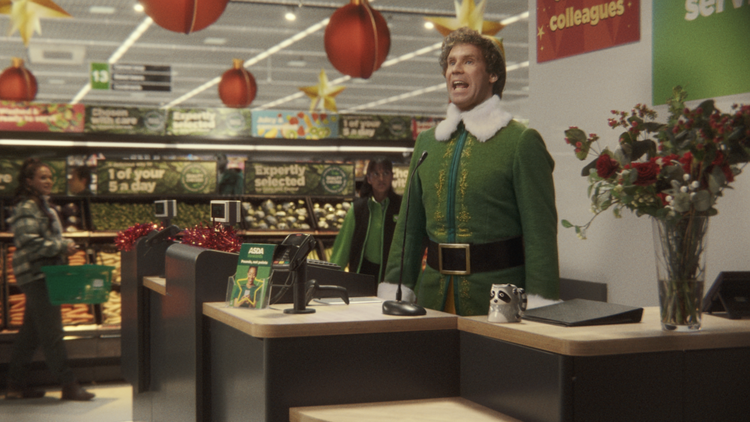
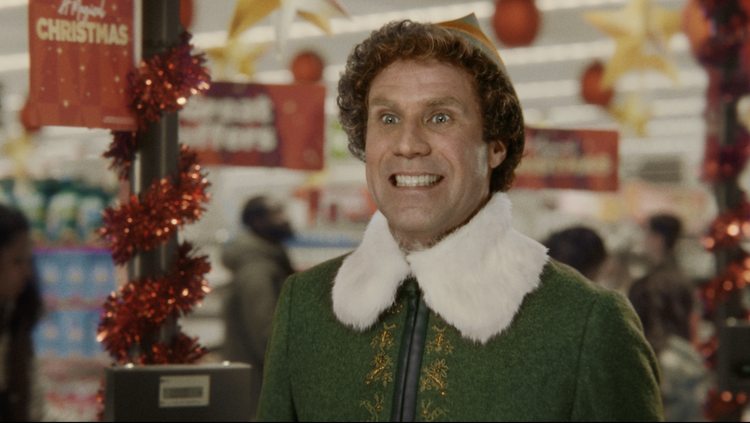
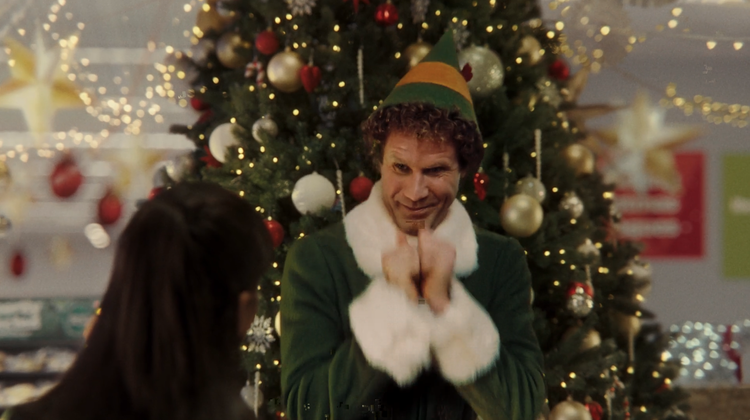
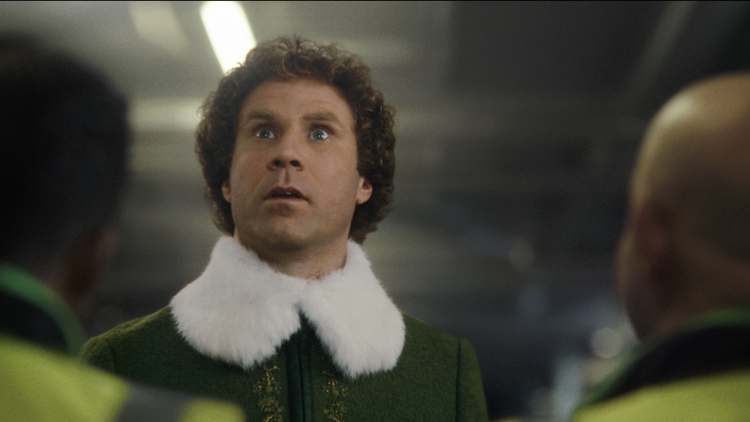
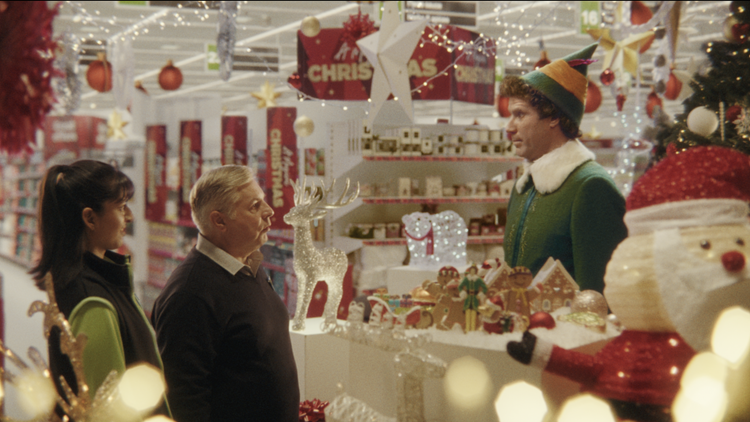
Asda demonstrated this in 2022 when they licensed Buddy the Elf for their Christmas campaign. Elf was a 2003 Will Ferrell film. It had never been licensed for brand marketing before. Born Licensing made it happen first.
The results were extraordinary:
5.9/5.9 stars on System 1’s long-term market share growth model
100 fluency score — the measure of how strongly viewers connect the ad to the brand
Top 3% of all UK ads ever tested by Kantar for making people smile
#1 ad of 2022 across all categories, all year, per System 1
Not just the best Christmas ad. The best ad of the year. Because Buddy the Elf already lived in people’s memory. The emotional work had already been done.
Fandom as Amplification
The second reason characters are so powerful is what they bring with them: their audience.
When a brand uses a famous character, the fans of that character become unpaid advocates for the campaign. They share it. They talk about it. They remember it - not because of the brand, but because of the character. The brand benefits from that association.
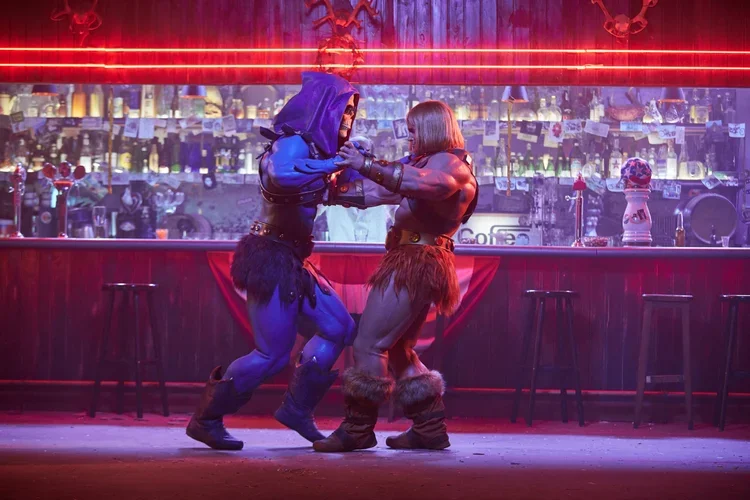
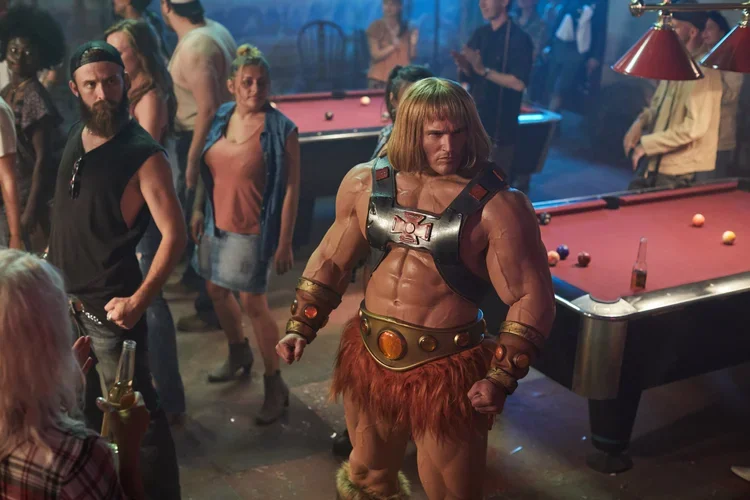
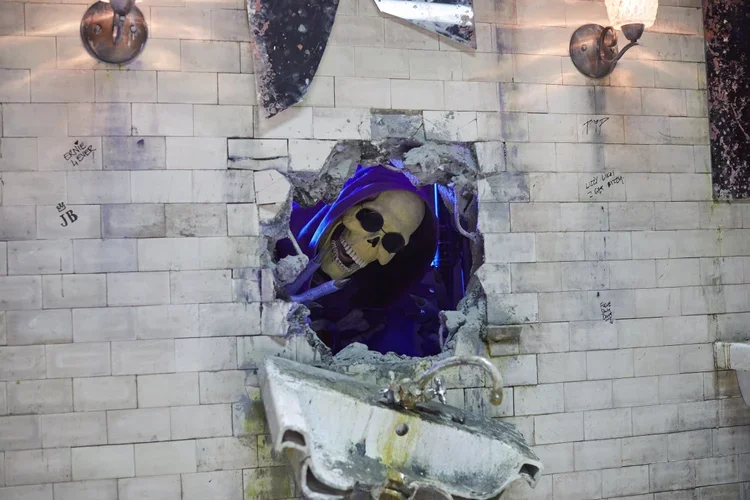
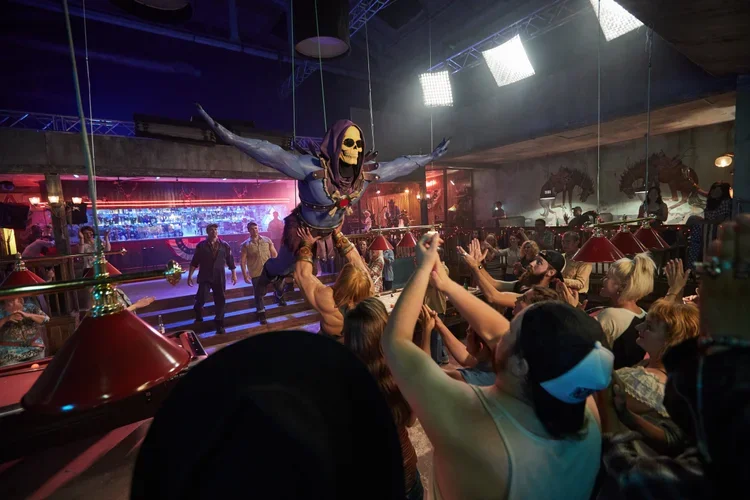
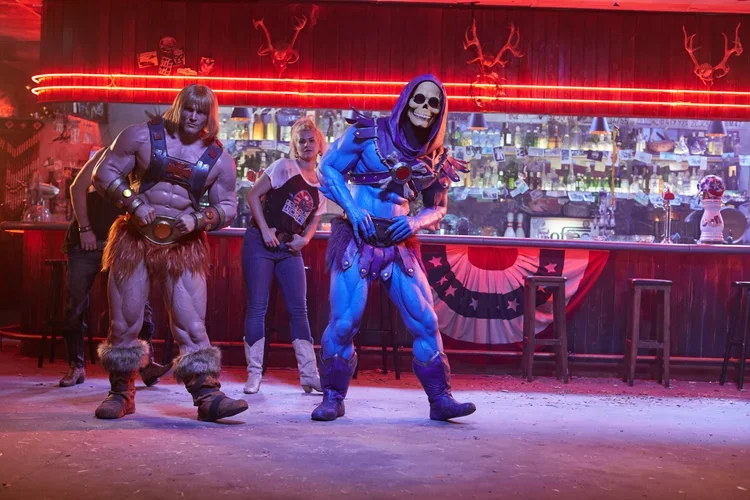
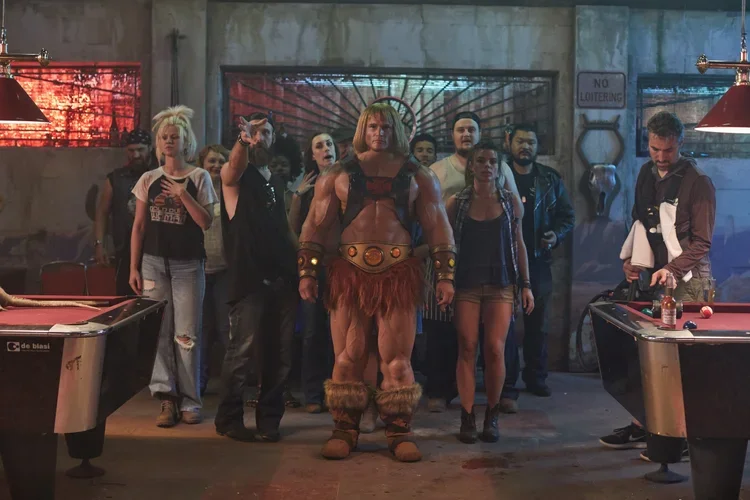
The MoneySupermarket He-Man and Skeletor campaign is the clearest example I have. Mother London came to Born Licensing wanting to mash up Masters of the Universe characters with an iconic Hollywood dancing moment - Dirty Dancing. We secured the rights.
The campaign premiered in front of over six million viewers during the X Factor final. Within days:
27M views
350x increase in Twitter mentions — from 100 per day to 35,000 per hour
6% revenue uplift for MoneySupermarket
#7 ad of the year, Campaign magazine
Masters of the Universe fans, Dirty Dancing fans, and everyone who just found it funny all went and talked about it. That is character-powered amplification. And people still bring that campaign up to me almost a decade later.
Fit Matters More Than Fame
Here’s where most brands get it wrong. They chase the biggest name. The most recognisable IP. The safest choice.
The real question isn’t “who is the most famous character?” It’s: “which character fits what we’re trying to say?”
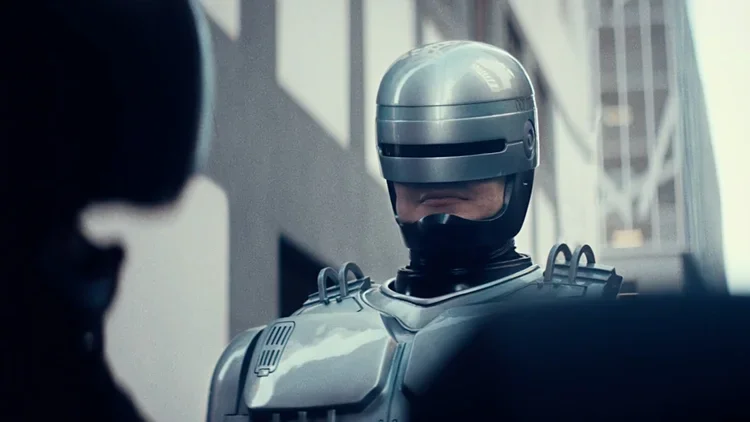
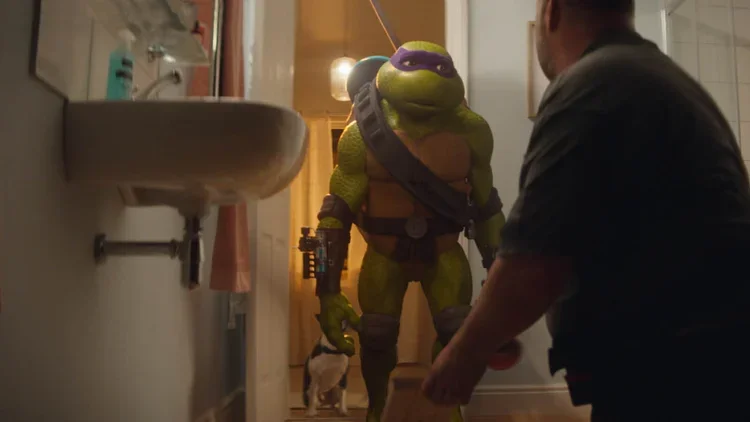
Direct Line had Harvey Keitel as Winston Wolf from Pulp Fiction for six years. It worked because Wolf was the ultimate fixer - the person you call when things go wrong. When it was time to refresh, their agency Saatchi & Saatchi came to Born Licensing and asked us to find new characters who embodied the same idea: speed, efficiency, problem-solving.
We presented over 150 options. The brief whittled them down to three: Bumblebee from Transformers, RoboCop, and Donatello from the Ninja Turtles.
20% more effective at driving quotes and sales than the previous campaign
53% advertising recognition vs. a Kantar norm of 33%
Grand Prix at Marketing Week Masters
The previous campaign was already high-performing. They exceeded it because the character fit was right.
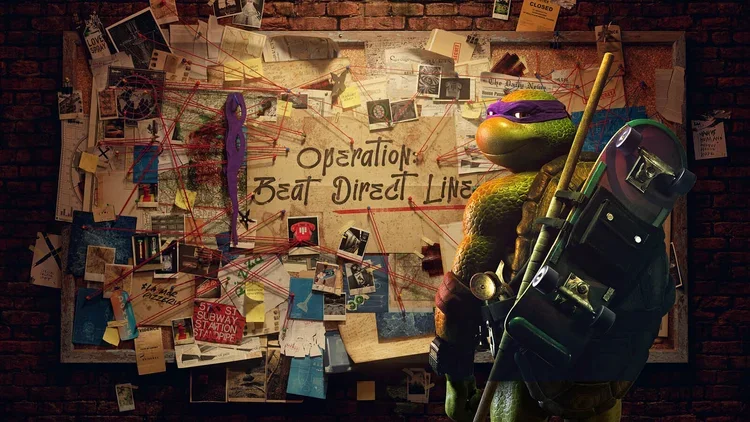
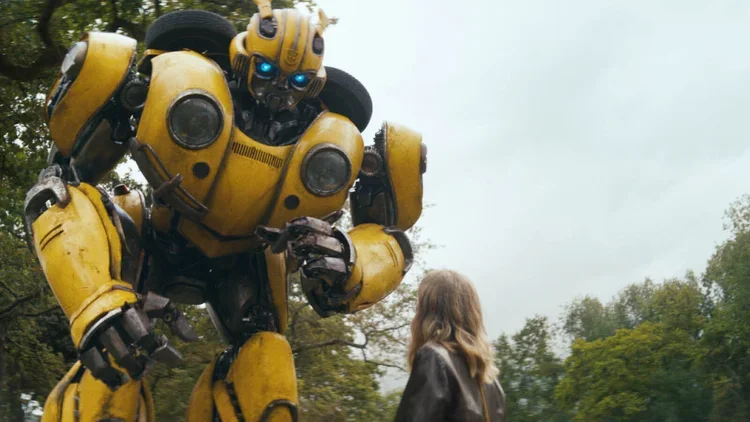
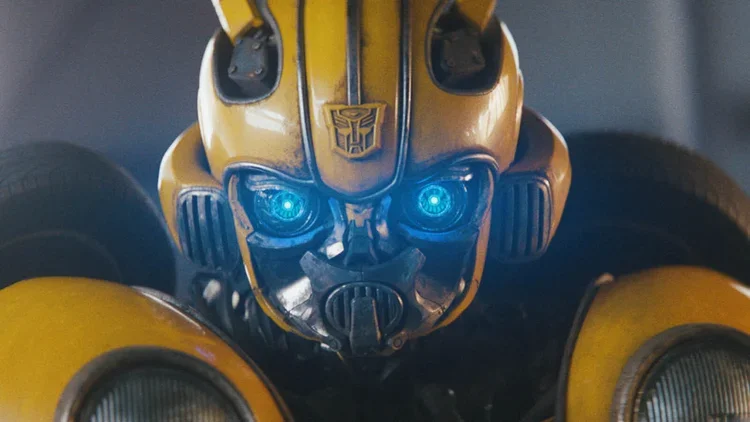
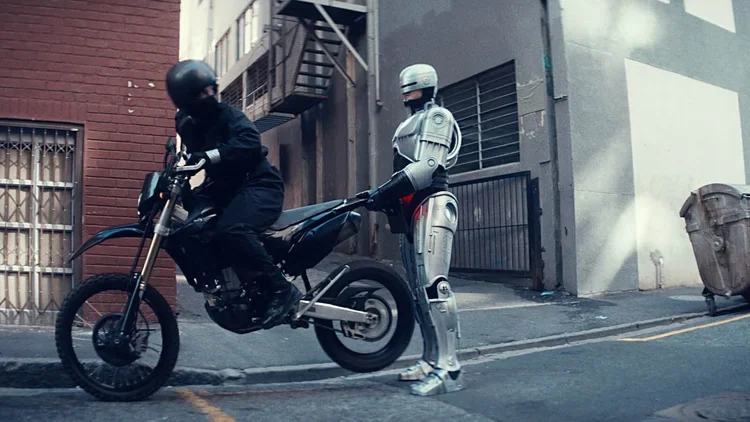
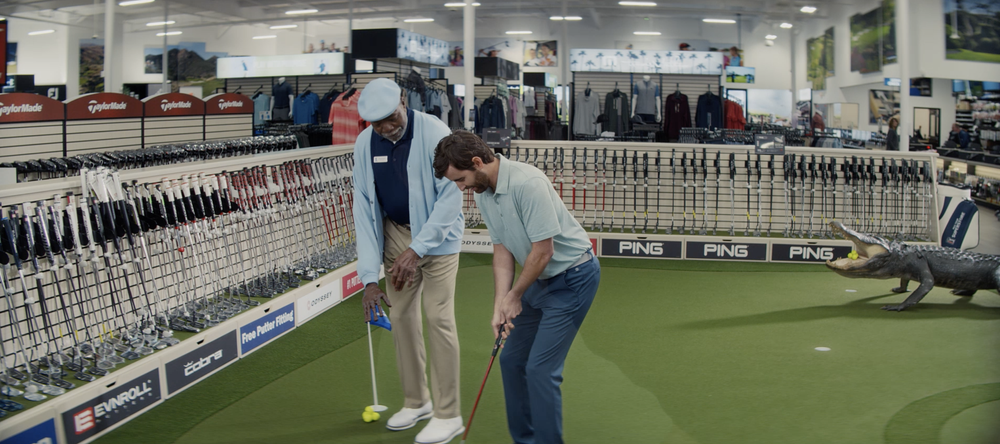
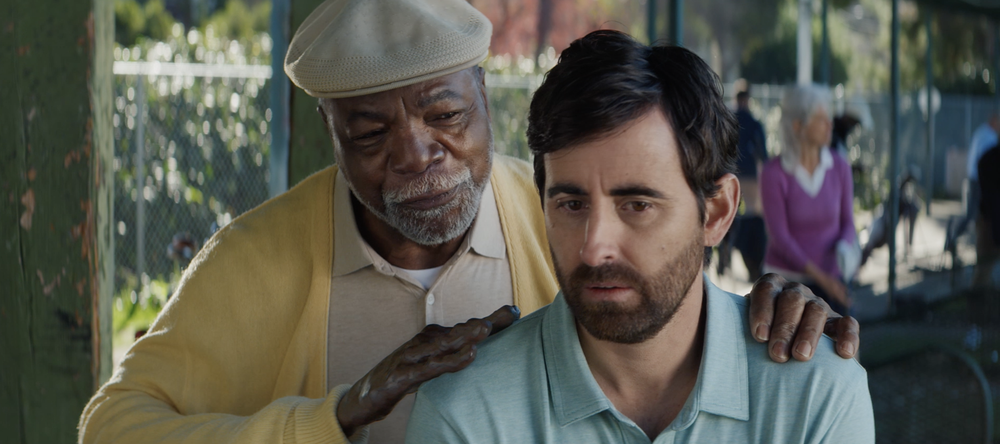
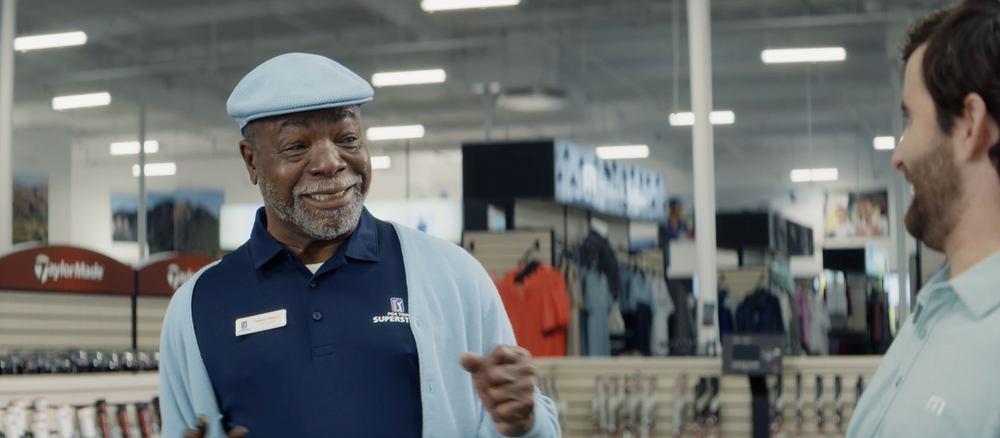
PGA Tour Superstore and Chubbs Peterson from Happy Gilmore is another example. Chubbs isn’t a household name. But he’s the golf pro who tells Happy Gilmore to find his happy place - and the brand’s new tagline was golf’s happy place. The fit was so precise the campaign won Best Advertising Campaign Featuring a Licensed Brand at the 2024 Licensing International Excellence Awards.
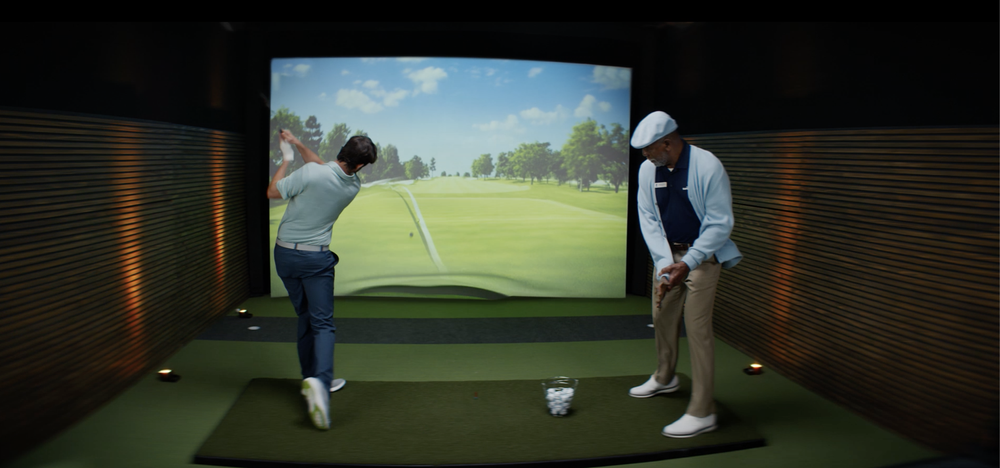
When the Character Becomes Bigger Than the Campaign - literally!
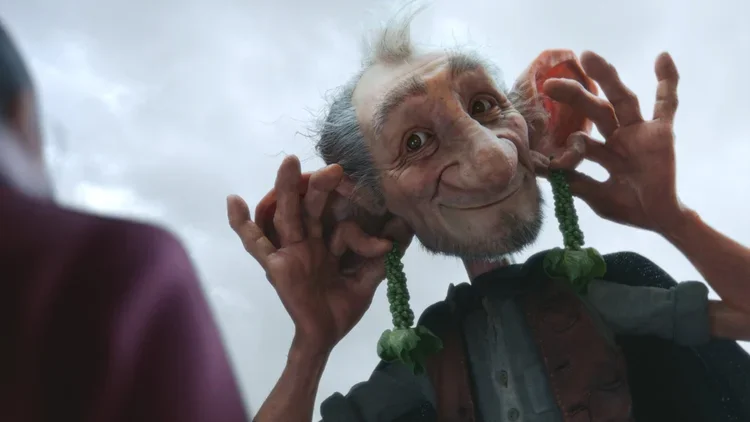
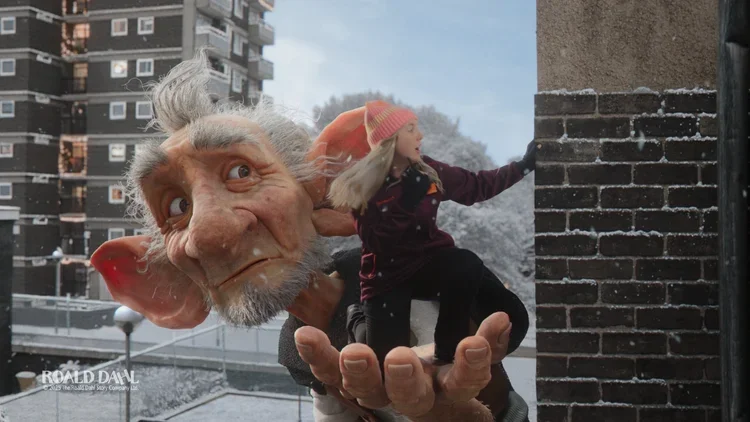
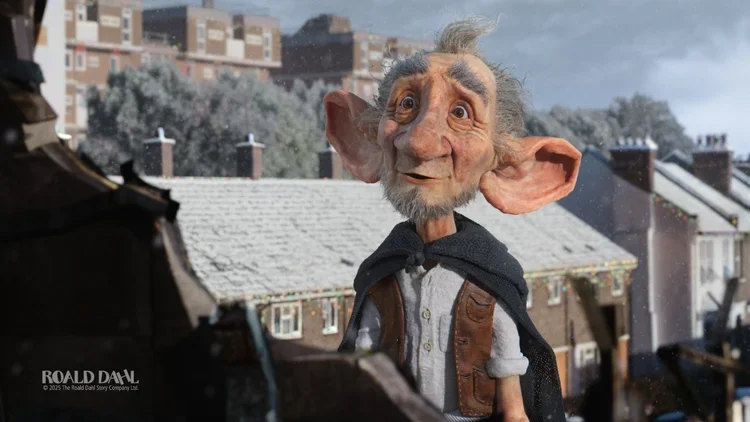
The most compelling longer-term example right now is Sainsbury’s and the BFG.
Their first BFG Christmas campaign - 2024 - became the first Sainsbury’s ad ever to score 5.9 stars on System 1. Kantar named them the winner of Christmas 2024. Sales were up 3.5% and market share reached its highest point since December 2019.
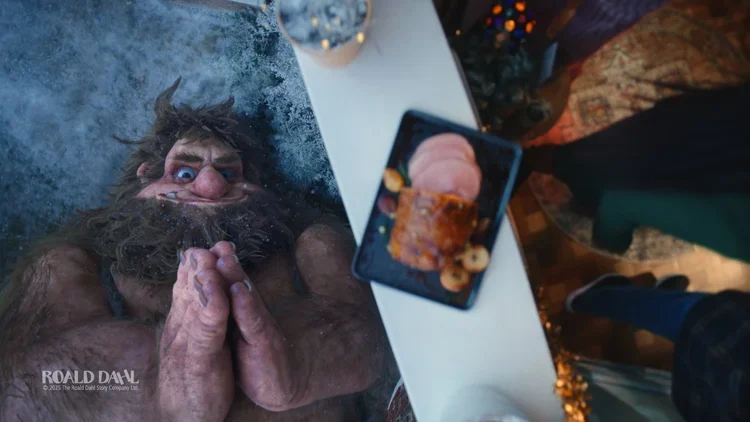
In 2025, they came back. Same character. New story - introducing the Greedy Giant. 5.9 stars again.
System 1 has a term for what happens when a character becomes so consistently associated with a brand that the returns compound over time. They call it a “fluent device.” The BFG is now Sainsbury’s fluent device at Christmas.
“That’s what happens when the character fit is right and you have the discipline to stick with it.”
This is not luck. It’s strategic. You find the right character, you build the right creative around it, you commit — and the equity builds year on year.


listen on the born to license podcast
The Bottom Line
Famous characters work in advertising for three reasons: the awareness is already built, fandom creates amplification, and the right fit generates cultural staying power that no original creative can manufacture from scratch.
But the operative word is “right.” Right character. Right brief. Right execution. This is not a shortcut. It’s a strategic decision that requires expertise, relationships, and a clear-eyed brief. Done well, it’s one of the highest-leverage moves a brand can make.
Look at what Twix did this week. The characters weren’t decoration. They were the idea. That’s the difference between licensing as a bolt-on and licensing as a creative engine.
want to connect?
The Born Perspective is one part of a bigger conversation. If you want more, you can find me on LinkedIn for industry commentary, Instagram for what's happening day to day, and YouTube and the Born to License Podcast for deeper dives into the world of licensing. Pick your platform. I'll be there.
Explore the Born Collective
Everything I build connects back to licensing. Here's where to go depending on what you need: